
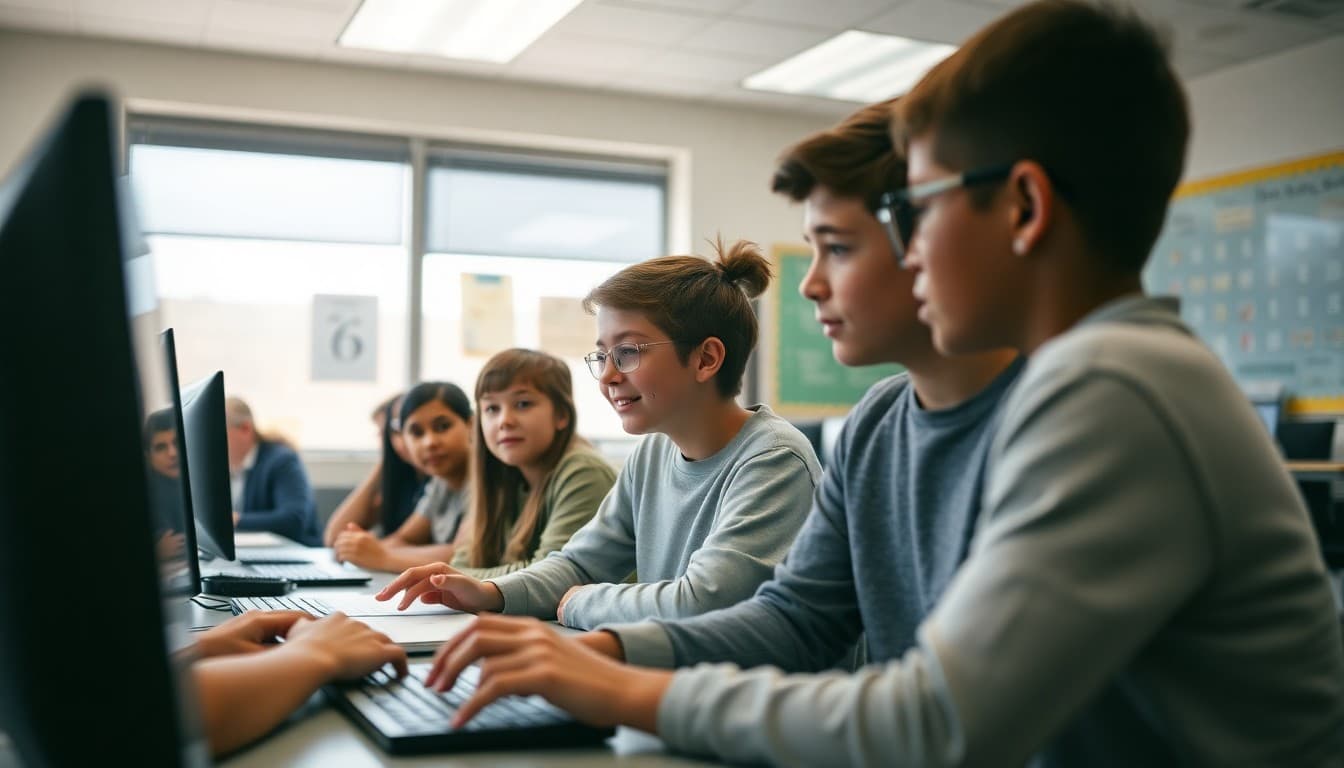
8th Grade Digital Citizenship Newsletter: Safe Tech for Families
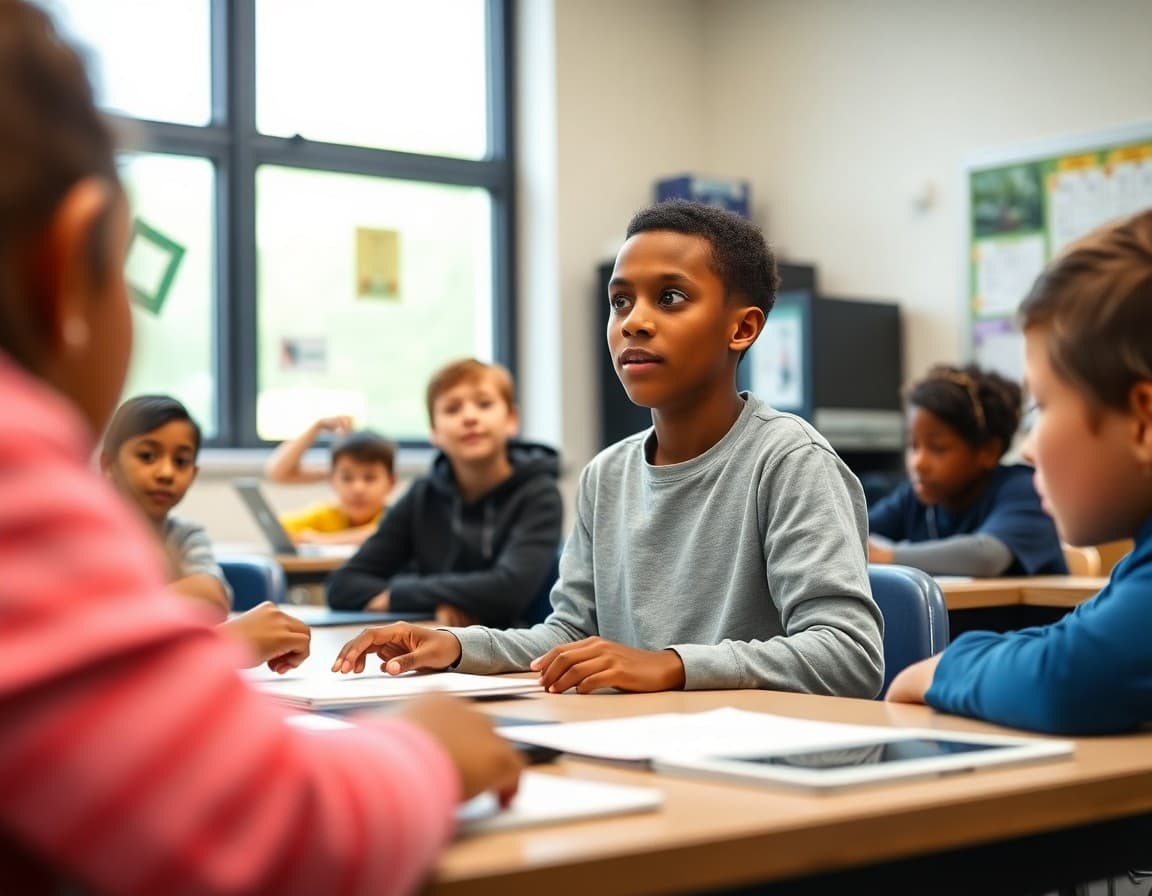
Eighth grade is the last year before students enter high school environments where digital reputation starts to matter in concrete, consequential ways. High school athletic programs, extracurricular clubs, early college programs, and eventually college applications all involve some level of social media scrutiny. The digital citizenship work you do this year connects directly to what students will face next. A newsletter that helps families understand this connection makes the curriculum feel real rather than abstract.
Connect Digital Citizenship to What Comes Next
Open your newsletter by naming the connection explicitly. In high school, students will apply for teams, programs, and clubs. In a few years, they will apply for colleges and jobs. What they post publicly, and what their friends post about them publicly, is part of the record they are building. That framing is not intended to frighten. It is intended to help 8th graders understand that digital choices have real dimensions that extend beyond this year.
Teach AI Literacy Alongside Traditional Digital Safety
The digital landscape 8th graders navigate includes AI-generated images, deepfakes, synthetic voices, and automatically generated text that is designed to look human. Your newsletter can describe what you are teaching students about recognizing generated content, verifying sources, and understanding how AI is reshaping what "credible" means online. Families who understand this topic can reinforce it at home by asking their child to walk them through how they verify something they find online.
Address Online Reputation Directly
Give families a concrete action: go to a search engine together and search your child's name and school. Look at what appears. Discuss whether that is the impression they want. This five-minute exercise is often more effective than any abstract conversation about digital footprint because it makes the concept visible and real.
A Family Digital Conversation Guide
Here is a section families can use directly:
"Questions to discuss with your 8th grader this month: What accounts do you have that are public? What would you want a high school coach or teacher to see if they searched you? Have you ever seen something shared online that you wish you had not seen? What did you do? If a friend asked you to share something embarrassing about another person, what would you say? These conversations are more effective than monitoring software because they build judgment, not just compliance."
Handle the Legal Dimension
Eighth graders are close to the age at which certain digital behaviors carry legal consequences. Sharing intimate images, even of peers who consented at the time, is illegal in most states regardless of age. Creating fake accounts to harass someone can constitute criminal behavior. Your newsletter can cover these realities in clear, non-alarmist terms. Students who understand the legal dimensions are better equipped to resist pressure to participate in high-risk behavior.
Discuss Platform-Specific Risks
Different platforms carry different risks. Your newsletter can briefly note the most relevant ones for 8th graders: TikTok's algorithm that drives extended passive scrolling, Snapchat's false sense that disappearing content is truly gone, Discord communities that can expose students to adults with harmful intentions, and the way gaming platforms double as social networks with their own dynamics. Naming platforms specifically is more useful than generic advice about "the internet."
Acknowledge That Tech Is Also Good
Digital citizenship newsletters that only focus on risk send the wrong message. Technology has given 8th graders access to creative communities, learning resources, and genuine friendships that would not be possible otherwise. Your newsletter can acknowledge this balance: the goal is not avoidance but skilled navigation. Students who use technology with purpose and judgment are developing a real competency, not just avoiding a danger.
Close With a High School Readiness Frame
End by naming the skill you are building: intentional, thoughtful digital participation. Students who enter high school knowing how to protect their privacy, evaluate what they encounter online, and build a digital presence they are proud of are ahead of most of their peers. That is the practical outcome of everything you have been working on. Daystage makes it easy to frame that closing section in a way that feels motivating rather than prescriptive.
Get one newsletter idea every week.
Free. For teachers. No spam.
Frequently asked questions
What digital citizenship topics are most relevant for 8th graders?
Online reputation management, college and job applications that will eventually involve social media scrutiny, evaluating and creating credible digital content, AI literacy and how to recognize generated content, and navigating the legal dimensions of digital behavior such as sharing private images are the most relevant 8th grade topics. Students who are one year from high school need to think about digital behavior as something that follows them.
How do I connect digital citizenship to high school and beyond?
Many high schools and all colleges now look at public social media as part of forming an impression of applicants. More directly, some school athletic and extracurricular programs have explicit social media conduct expectations. Your newsletter can draw this connection clearly without being alarmist, framing it as an invitation to be intentional rather than a warning about consequences.
How should 8th grade families approach social media use differently than they did in 6th or 7th grade?
By 8th grade, outright restriction of social media is often counterproductive. Students who feel over-monitored simply find workarounds. A more effective approach is establishing a family culture around intentional use: what the purpose of each platform is, what kind of presence the student is building, and what they would want a college admissions reader or employer to find.
What should families know about AI-generated content and 8th graders?
Eighth graders regularly encounter AI-generated images, videos, and text that look authentic. AI literacy, the ability to recognize, question, and verify content, is now a core component of digital citizenship. Your newsletter can explain what your class is covering on this topic and give families ways to practice the skill at home.
What platform makes it easy to send digital citizenship newsletters to 8th grade families?
Daystage works well for this because you can include lesson overviews, resource links, and conversation starters in one newsletter that families can access by email or class page link throughout the unit.

Adi Ackerman
Author
Adi Ackerman is a former classroom teacher and curriculum writer with 8 years in K-8 schools. She writes about school communication, parent engagement, and what actually works in real classrooms.
More for Middle School
Ready to send your first newsletter?
3 newsletters free. No credit card. First one ready in under 5 minutes.
Get started free