

Creative Writing Unit Newsletter for Parents: Middle School Guide
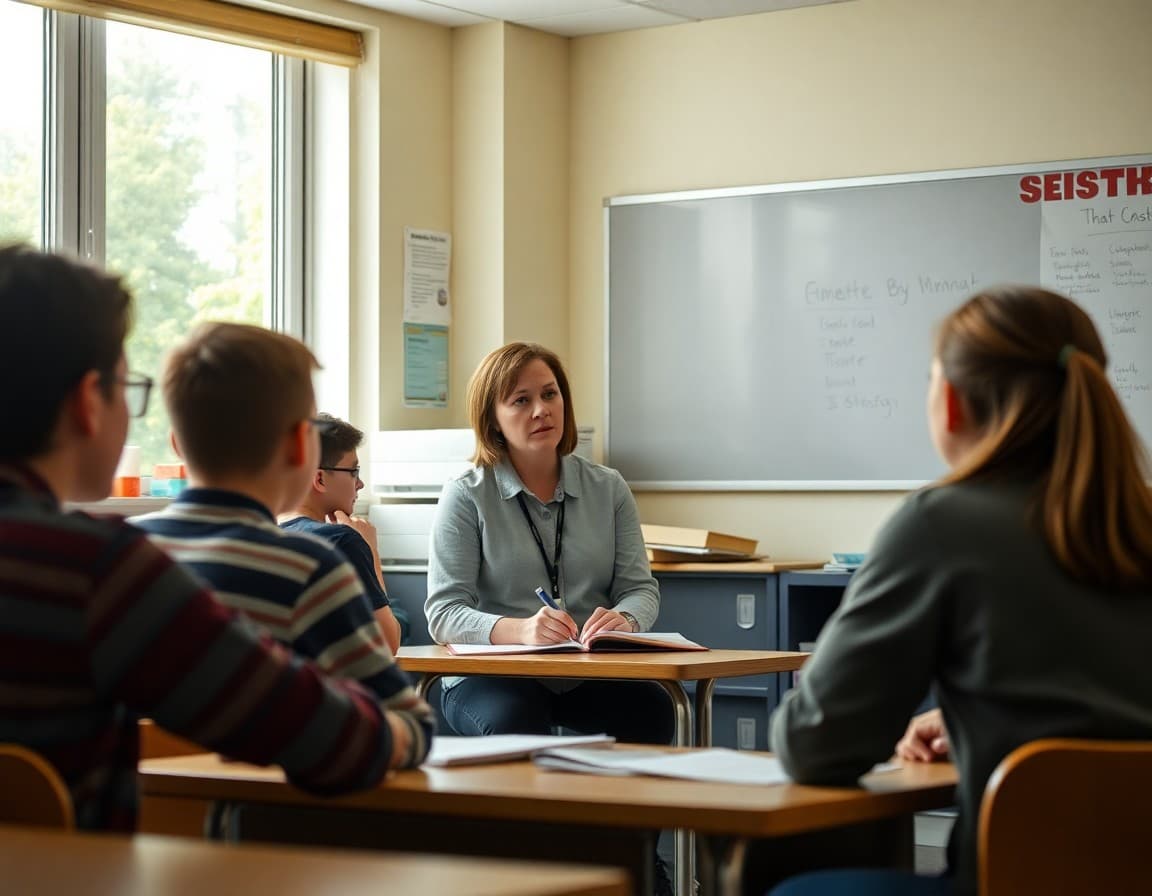
Middle school creative writing is when students start developing a genuine authorial voice, and the most effective family communication about this work is specific, honest about the creative process, and respectful of the vulnerability that writing requires from 11 to 14 year olds.
What Students Are Writing This Unit
Lead with the genre and a brief description of the finished piece. For a short fiction unit: "Students are writing short fiction this unit. Each student will develop an original story with a specific setting, at least two developed characters, a central conflict, and a resolution. Final stories will be between 800 and 1200 words." For a personal essay unit: "Students are writing personal essays that explore a meaningful experience or observation from their own lives. The essay is not a summary of events but an exploration of what those events meant and what the writer discovered."
That description tells parents what their student is working toward and signals the level of intentionality the unit requires.
Craft Skills the Unit Focuses On
Middle school creative writing teaches specific, nameable craft elements. For a short fiction unit, the craft focus might be: point of view (who is telling the story and what they can and cannot know), pacing (slowing down the most important moments and speeding through less important ones), subtext (what characters mean when they say something other than what they feel), and scene construction (showing a moment rather than summarizing it). Naming these craft elements helps parents ask informed questions and shows them that creative writing is not just free expression.
How Writing Is Assessed at the Middle School Level
Tell parents how the unit's writing will be graded. "The final piece is assessed on the quality of the narrative choices, including character development, use of descriptive language, and structure. Students are also graded on their participation in workshop discussions and their written reflection on their own revision process. Spelling and grammar are part of the grade at the editing stage, after the content revisions are complete." That explanation helps parents understand why a technically perfect first draft with a thin story is not a strong piece, and why a draft with errors but genuine narrative depth is more valuable.
A Template Opening for the Newsletter
Here is a unit opener you can adapt:
"We are starting our [GENRE] unit this week. Students will [brief description of the finished piece]. We are focusing on the craft elements of [list]. The final piece is due [DATE]. Assessment focuses on [key criteria in plain language]. A good conversation to have at home: [one specific prompt or question]. I am available at [contact info] with questions."
The Revision Process
Middle school creative writing units typically include multiple rounds of revision and peer workshop. Tell families about this process so they understand that an early draft is supposed to be rough. "Students will workshop their draft with two or three peers in week two, receive written feedback, and revise before the final submission. This process is integral to the unit. A student who submits a first draft as their final piece is missing the most important learning in the unit."
That statement also prevents the "but they wrote the whole story in one night" conversation that sometimes arrives with a low grade.
How to Support a Middle Schooler's Creative Writing Without Intruding
Middle schoolers are often protective of their creative work in ways that younger students are not. A family support suggestion that respects this is more useful than one that asks parents to read drafts or ask detailed questions. "The most useful question to ask is 'what are you working on?' rather than 'can I read it?' If your student wants to share, let the conversation lead there. If they do not, let it go. Students who feel their creative work is private tend to take more risks in it, which produces better writing."
The Connection Between Middle School Creative Writing and All Academic Writing
Close with a brief note that reframes creative writing as preparation for all the writing students will do. "Students who develop a strong narrative voice in fiction and personal essay write stronger analytical essays because they have learned how sentences work, how detail creates meaning, and how structure shapes a reader's experience. Creative writing is not separate from the rest of English class. It is the foundation of it."
Get one newsletter idea every week.
Free. For teachers. No spam.
Frequently asked questions
What should a middle school creative writing unit newsletter include?
Cover the genre students will work in (short fiction, personal essay, poetry, speculative fiction), the craft elements they will focus on, what the final piece looks like and how it will be assessed, the unit timeline, and one non-intrusive way families can support the writing process at home. Middle school students tend to be protective of their creative work, so the family support suggestion should be conversational rather than supervisory.
How do I talk to middle school parents about creative writing as a serious academic subject?
Connect it directly to the skills they already value: analytical writing, argument, and voice. 'Students who develop a strong creative writing voice also write stronger essays, reports, and analytical responses because they have learned how word choice, structure, and detail work to create meaning.' That connection is accurate and helps parents who prioritize academic writing see creative writing as foundational rather than optional.
How is creative writing different in middle school compared to elementary?
Middle school creative writing involves more sophisticated craft decisions and higher expectations for revision. Students are expected to make conscious choices about point of view, narrative distance, pacing, and structure rather than just telling a story. The writing is also more personal and more complex thematically, which is why many middle schoolers both embrace the unit with genuine engagement and resist the vulnerability it requires.
How do I address parents of middle schoolers who say their student 'hates writing'?
Acknowledge it and then give them one low-stakes action to try. 'Some students who say they hate writing find that they actually enjoy it when the topic is entirely their choice and the audience is not their teacher. Ask your student if there is any kind of writing they do voluntarily, even texting or social media captions. That is writing. The transition to longer pieces is a craft question, not a motivation question.'
How does Daystage help middle school English teachers send creative writing unit newsletters?
Daystage makes it practical to send a focused unit newsletter at the start of each writing genre study. With a saved template, updating the genre description, craft focus, assessment information, and one family prompt takes about 10 minutes. Teachers who send consistent unit newsletters throughout the year report that middle school families feel genuinely connected to the ELA curriculum even when their student shares very little about what they are working on in class.

Adi Ackerman
Author
Adi Ackerman is a former classroom teacher and curriculum writer with 8 years in K-8 schools. She writes about school communication, parent engagement, and what actually works in real classrooms.
More for Middle School
Middle School Back-to-School Newsletter: What Families Need to Know Before Day One
Middle School · 7 min read
Alaska Middle School Newsletter Guide: What to Include for Families
Middle School · 8 min read
Middle School Counselor Newsletter: What to Include and How to Reach Families
Middle School · 7 min read
Ready to send your first newsletter?
3 newsletters free. No credit card. First one ready in under 5 minutes.
Get started free