

Civics Unit Newsletter for Parents: Middle School Guide
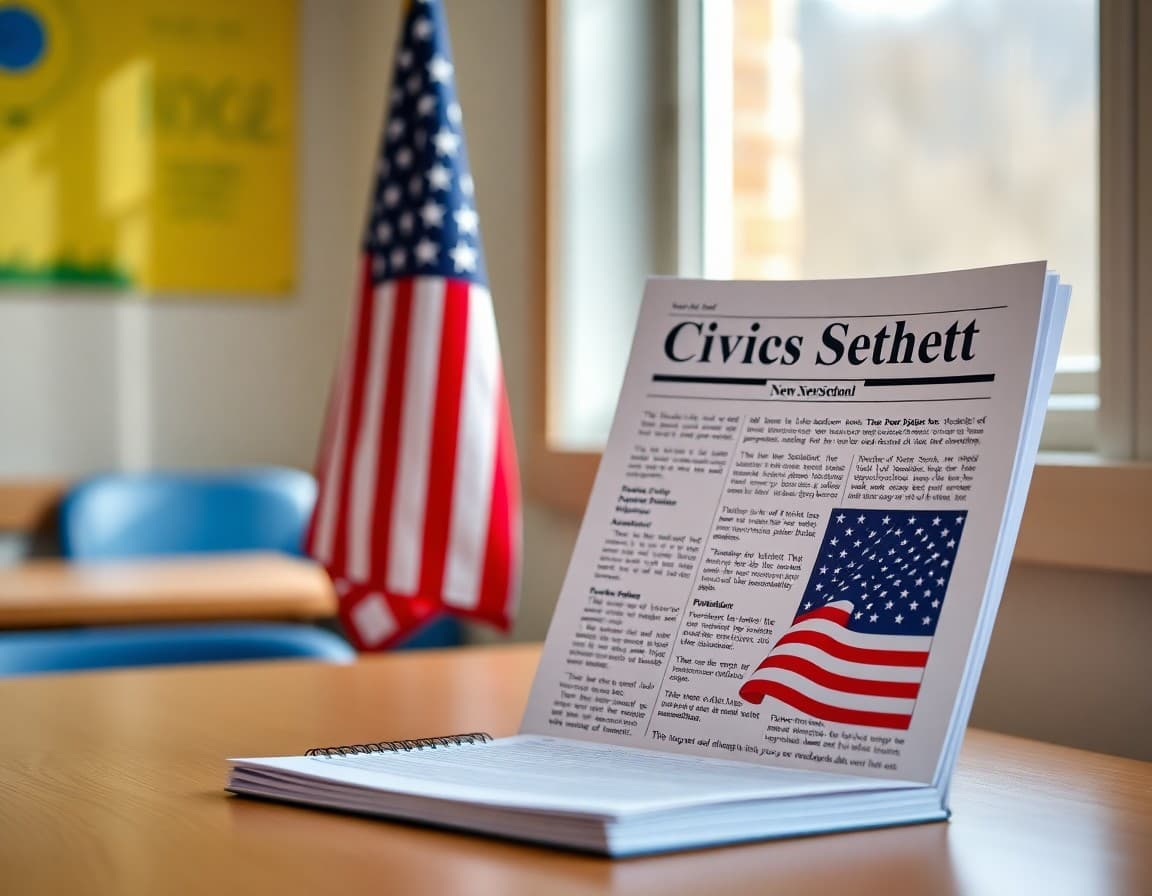
Middle school civics covers some of the most directly relevant content in any social studies curriculum. Students are learning how the government that affects their daily life actually works: how laws are made, what rights they have, and what responsibilities come with those rights. A unit newsletter helps parents understand what's being taught and gives them specific ways to connect it to the news and conversations their family is already having.
Why Middle School Is the Right Time for Civics
Sixth, seventh, and eighth graders are developmentally ready for civics in a way younger students aren't. They can handle abstract concepts like separation of powers and due process. They're increasingly aware of current events, even if they don't fully understand them. They're forming political and civic identities that will shape their adult engagement with democracy. Your civics course is one of the most formative things they'll study at this age.
Your unit newsletter helps parents understand that context and positions them as partners in civic education rather than passive recipients of homework assignments.
What to Include in a Unit Newsletter
Cover the unit name and a brief overview, three to five key concepts students will understand by the end of the unit, one or two current events that connect to the unit (described non-partisanly), and two to three specific home activities. A short vocabulary section with three to five terms helps parents engage in conversations using the same language students are learning.
Template Excerpt: The Legislative Branch
"This week we're starting our Legislative Branch unit. Students will learn how Congress is structured, how a bill moves through the legislative process, and why the founders designed the system to require agreement from multiple groups before a law is passed.
Key concepts: bicameral legislature (why there's a Senate and a House), committee system, floor vote, conference committee, presidential approval or veto.
At home: if any legislation is in the news this week, ask your student to identify where it is in the process. Is it in committee? Was it voted on? Did the president sign it? Applying the process to a real current example is exactly what we'll be doing in class."
Using Current Events Without Taking Sides
Middle school civics connects naturally to current events, but teachers need to navigate that connection carefully. Your newsletter can reference current examples without editorializing. "A recent Supreme Court decision is in the news this week. Ask your student to explain what judicial review means and how it connects to that decision" frames the connection as a learning opportunity without taking a position on the decision itself.
That approach models exactly the kind of civic thinking you want students to develop: engaging with real events through the lens of civic structure and principle, not partisan preference.
Connecting Civics to Students' Own Lives
Middle schoolers engage more with civics when they see how it connects to decisions that affect them directly. School rules, student council elections, and local community decisions are all civics in action. Your newsletter can point to these connections: "Ask your student how student council elections at school are similar to how Congress members are elected. What's the same? What's different?"
These connections don't require any background knowledge from parents and generate some of the most interesting classroom-to-home conversations in any subject.
Building Civic Competence, Not Compliance
Close the newsletter by framing what you're actually building. Civics education at the middle school level isn't about producing students who know the right answers on a test. It's about producing citizens who understand how their government works well enough to engage with it meaningfully. Your newsletter can say that directly and invite parents to think of the unit as contributing to something larger than the current course.
Get one newsletter idea every week.
Free. For teachers. No spam.
Frequently asked questions
What civics topics do middle schoolers typically study?
Middle school civics typically covers the structure of federal, state, and local government, the Constitution and Bill of Rights, the legislative process, separation of powers, checks and balances, civic rights and responsibilities, and often an introduction to current events analysis. By 7th and 8th grade, students are ready for more abstract concepts like due process, judicial review, and the electoral system.
How do I make a civics unit newsletter relevant to middle school parents without taking a political side?
Focus on the structural and procedural aspects of civics rather than current political debates. 'Students are learning how a bill becomes law' is non-partisan. 'Students are learning why separation of powers matters' is non-partisan. When current events come up in the curriculum, describe them in terms of which civics concepts they illustrate rather than which side is right. That framing keeps the newsletter informative without alienating families.
How can parents reinforce middle school civics at home?
Current events offer natural reinforcement. If a student is studying the legislative process and a major bill is in the news, ask them to explain what stage it's in. If they're studying the Constitution, ask them to explain one amendment that came up in a recent news story. These connections require no special preparation from parents and model exactly the civic thinking the curriculum is building.
What's the right length for a middle school civics unit newsletter?
250 to 350 words works well. Middle school parents are generally less involved in daily homework than elementary parents but more engaged than high school parents with detailed academic content. A newsletter that covers the unit overview, key concepts, and two to three home activities fits in that range without feeling either too brief or too comprehensive.
How does Daystage help middle school civics teachers communicate with parents?
Daystage gives you a platform to create, format, and send newsletters to all families at once. For civics specifically, the ability to include links to age-appropriate resources, save templates by unit type, and maintain a record of past communication is especially useful since the civics curriculum connects to current events that change year to year.

Adi Ackerman
Author
Adi Ackerman is a former classroom teacher and curriculum writer with 8 years in K-8 schools. She writes about school communication, parent engagement, and what actually works in real classrooms.
More for Middle School
Alaska Middle School Newsletter Guide: What to Include for Families
Middle School · 8 min read
Middle School Back-to-School Newsletter: What Families Need to Know Before Day One
Middle School · 7 min read
Middle School Counselor Newsletter: What to Include and How to Reach Families
Middle School · 7 min read
Ready to send your first newsletter?
3 newsletters free. No credit card. First one ready in under 5 minutes.
Get started free