
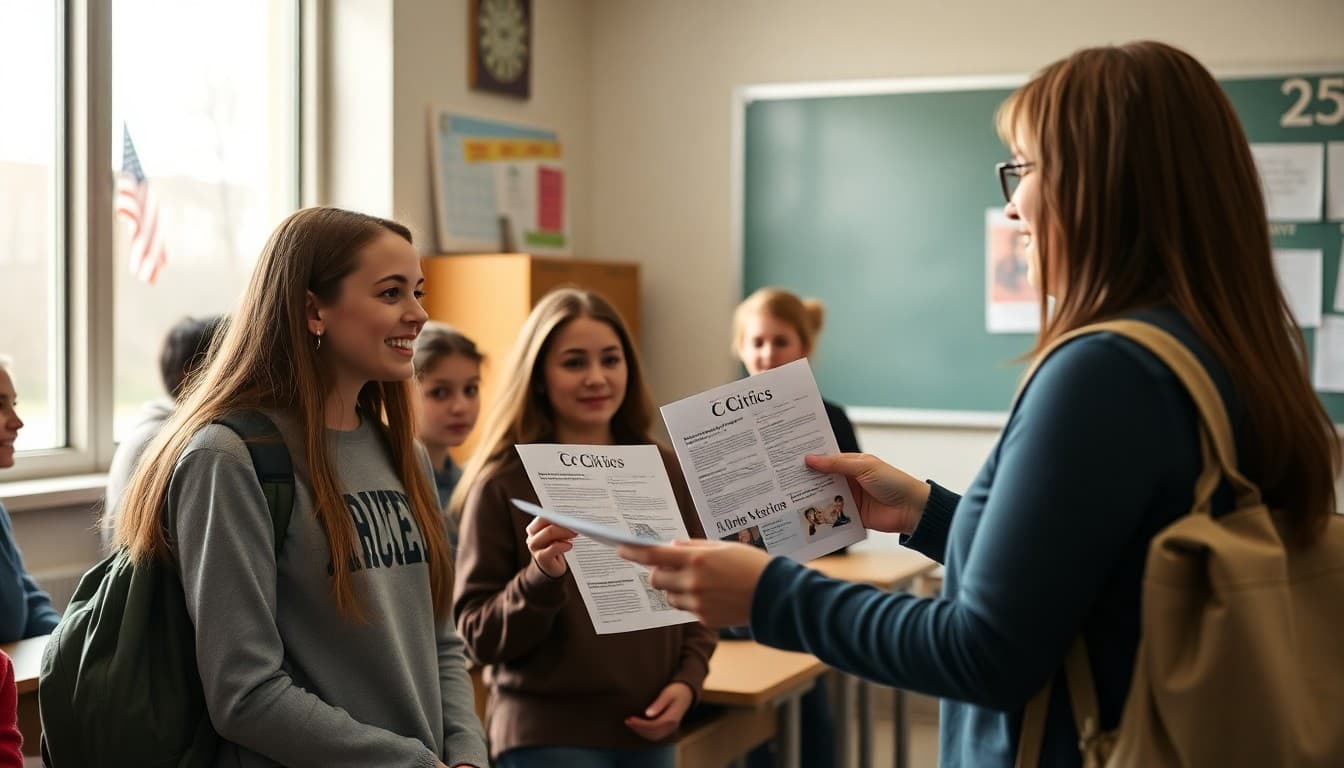
Civics Beginning of Year Newsletter: Middle School Guide
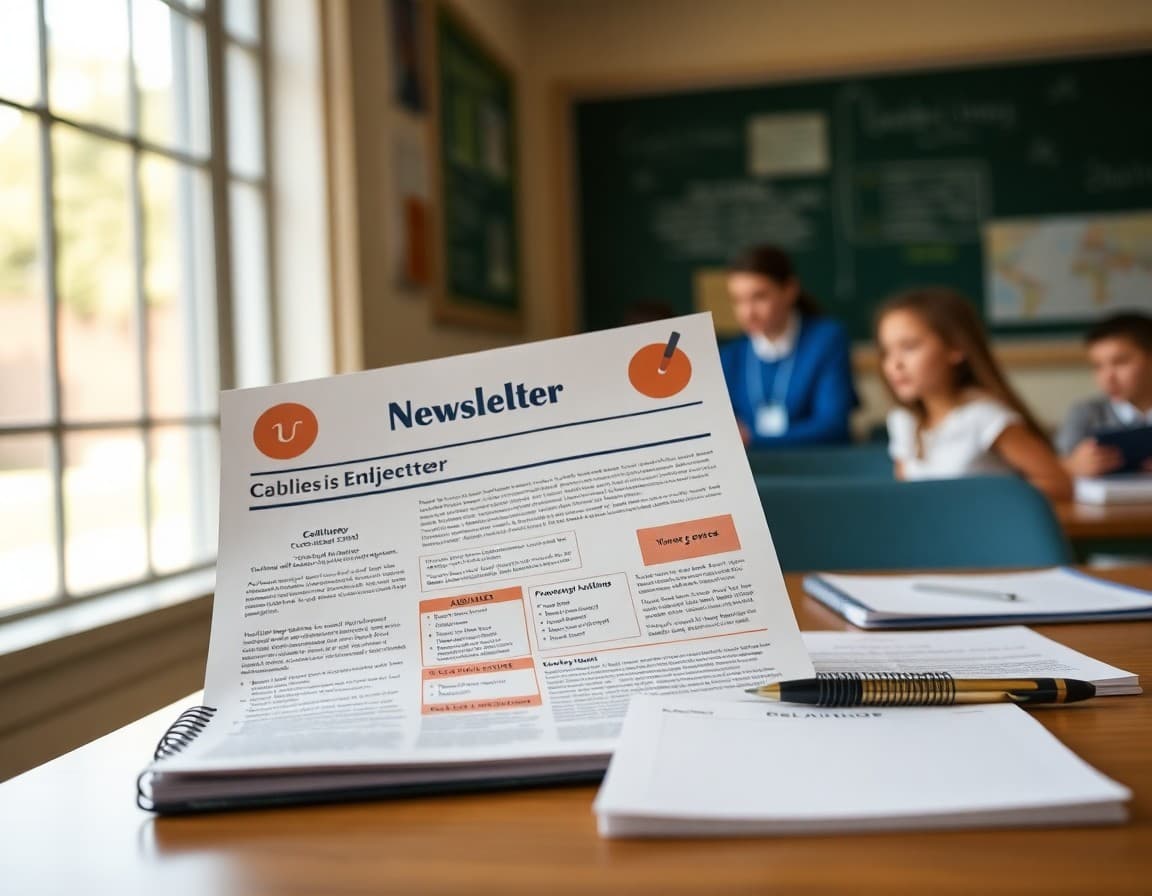
A middle school civics course introduces students to some of the most consequential content they'll study at this level. How their government works, what rights they have, and what it means to participate as a citizen: these are concepts that shape how students see themselves in relation to the broader world. A strong beginning of year newsletter helps parents understand what you're building and why it matters right now.
Setting the Stage at the Middle School Level
Parents of middle schoolers are often less involved in academic content than they were during elementary school. Some feel their student doesn't want or need parent engagement with schoolwork. For civics specifically, that assumption misses something important. Civic education is one area where family conversations, news discussions, and shared experiences of civic life directly reinforce what students are learning in class.
Your beginning of year newsletter can reopen that door by positioning parents as natural civic educators rather than homework helpers.
Framing the Course Honestly
Some parents approach middle school civics with concerns: Is this going to be political? What perspective will my student be taught? Addressing that directly in the first newsletter builds trust. "This course focuses on how government is structured, how laws are made, and what civic rights and responsibilities look like. I approach current events as examples of civic processes, not as political positions."
That statement is accurate and reassuring to parents from any political background.
Template Excerpt: Course Introduction
"Welcome to [Grade] Civics. I'm [name], and this year we'll spend time understanding how the government your student already lives under actually works.
Here's our year-long arc: we'll start with the foundations of American government (Constitution, Bill of Rights, separation of powers), move through the three branches and how they interact, then explore state and local government, and close the year with a unit on civic participation: what it means to be an active citizen, how elections work, and how individuals and groups create change.
Throughout the year, I'll send a short newsletter at the start of each unit with a brief summary and one or two ways to connect the content to what's happening in the news or in your community."
Why This Age Matters for Civic Education
Sixth, seventh, and eighth graders are at a civic inflection point. They're increasingly aware of the world around them, consuming news (even if informally), and forming political and civic identities. The concepts they learn in a middle school civics class shape how they interpret what they see and hear for years after. Students who understand how laws are made, what the First Amendment actually protects, and how elections work are better equipped to navigate an information environment full of misleading claims about all of those things.
Your newsletter can make this argument to parents directly. It tends to land well regardless of political perspective.
How Parents Can Engage This Year
Keep this section practical and specific. Ask parents to discuss news stories with their student in terms of the civics concepts being taught. Watch political events (elections, congressional hearings, Supreme Court decisions) together when they're in the news. Ask their student "can you explain how that works?" when a civic process comes up in the news. These light-touch engagements reinforce the curriculum without requiring any political discussion.
Communication Expectations
Close the newsletter with a brief description of how you'll communicate throughout the year and how parents can contact you. Middle school parents who feel they have a clear line of communication with teachers are significantly more likely to engage with ongoing newsletters and to support their student's learning at home. Setting that expectation clearly in the first newsletter is worth the two sentences it takes.
Get one newsletter idea every week.
Free. For teachers. No spam.
Frequently asked questions
What should a middle school civics beginning of year newsletter include?
Four elements: a brief introduction to you and your approach, a year-long curriculum overview in plain language, why middle school is an important age for civic education, and how parents can stay engaged throughout the year. Keep it to one page. Middle school parents are managing communication from multiple teachers, so clarity and brevity matter.
How do I build parent interest in a civics course when politics feels polarizing?
Frame the course around civic structure and process rather than political outcomes. Most parents across the political spectrum support their student learning how government works, what their rights are, and what civic participation looks like. That framing is accurate (it's what civics actually teaches) and avoids the friction that comes from appearing to take sides.
Should the first newsletter address how current events will be handled in class?
Yes, briefly. Parents want to know whether the class will engage with current events and how. A sentence like 'we'll use current events as examples of civics concepts, and I always approach them in terms of process and structure rather than political position' sets expectations and reassures parents who might otherwise worry about what their student is hearing.
What tone works best for a middle school civics beginning of year newsletter?
Direct, confident, and slightly more substantive than an elementary newsletter. Middle school parents expect more academic framing than K-5 parents while still appreciating clarity over jargon. Write as if you're talking to a thoughtful adult who wants to understand what their student will study but doesn't need every pedagogical detail.
How can Daystage help me set up a consistent communication plan from day one?
Daystage lets you create your beginning of year newsletter, send it to all families at once, and use it as a template for the rest of the year. Once your format is established, each unit newsletter takes about 10 minutes to write. Starting with Daystage from the first send means you're never scrambling to figure out your communication system mid-year.

Adi Ackerman
Author
Adi Ackerman is a former classroom teacher and curriculum writer with 8 years in K-8 schools. She writes about school communication, parent engagement, and what actually works in real classrooms.
More for Middle School
Alaska Middle School Newsletter Guide: What to Include for Families
Middle School · 8 min read
Middle School Back-to-School Newsletter: What Families Need to Know Before Day One
Middle School · 7 min read
5th to 6th Grade Transition Newsletter: How to Prepare Families for Middle School
Middle School · 7 min read
Ready to send your first newsletter?
3 newsletters free. No credit card. First one ready in under 5 minutes.
Get started free