
Magnet School Grant Newsletter: Funding Your Program

Grants fund a significant portion of what makes magnet schools distinctive: specialized staff positions, advanced equipment, professional development, community partnerships, and outreach to underrepresented families. When a magnet school receives a significant grant award, the community deserves to know. When a grant expires and programs are affected, the community deserves advance notice. The grant newsletter is a transparency tool that keeps families informed about the financial foundation of the program they chose.
Celebrating a Grant Award
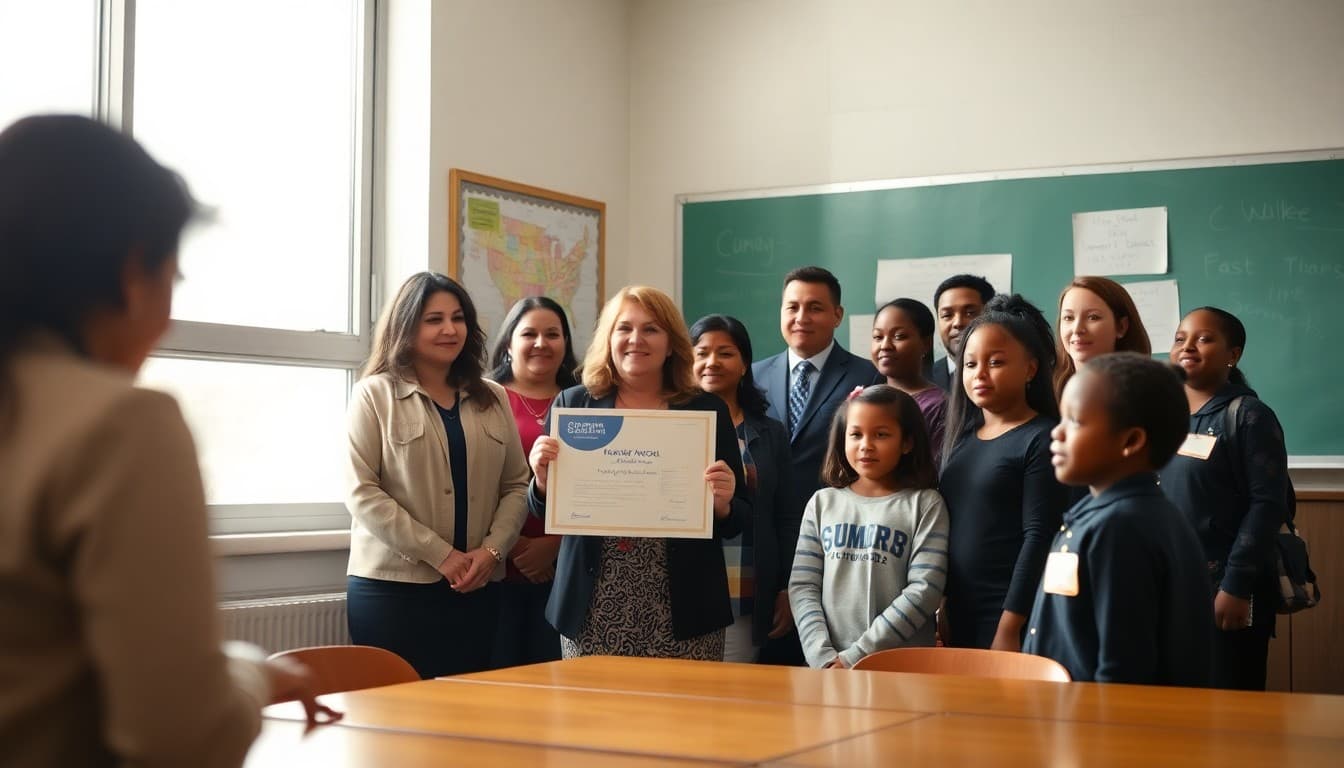
Send a grant announcement newsletter within one week of a major award. Lead with the headline: "We are pleased to announce that our school has been awarded a five-year, $1.4 million Magnet Schools Assistance Program grant from the US Department of Education." Follow with what the grant will fund: three new specialist teacher positions, expanded IB professional development, a new robotics lab, or enhanced community outreach. Close with a brief note about what this means for students and a thank-you to the team that wrote the application. Grant writing is significant work, and public acknowledgment is appropriate.
Explaining the MSAP Grant Specifically
The Magnet Schools Assistance Program is the federal government's primary investment in magnet education. MSAP grants require that recipient schools be implementing a desegregation plan or continuing to reduce racial and socioeconomic isolation. The newsletter should explain what this requirement means for the school's enrollment process. If the grant requires the school to meet specific diversity enrollment targets, describe those targets and how the school is working to achieve them. Families who understand the grant's purpose support the enrollment practices it funds.
What the Grant Funds in Practice
Describe the funded elements specifically. "The MSAP grant will fund the positions of three new teacher specialists in data science, biotechnology, and environmental engineering over the five-year period. It will also fund summer professional development for all faculty in IB programme standards, a new digital fabrication lab, and outreach programming designed to broaden the applicant pool from underrepresented communities." That level of specificity helps families understand the investment and the intent. Vague descriptions of "enhanced programming" communicate nothing.
Compliance Requirements That Affect Families
Federal grants come with compliance requirements. MSAP grants often require that the school collect demographic data on applicants and enrolled students, maintain specific enrollment targets, and document outreach activities. Some grant requirements affect the application lottery process. If compliance requirements change how the school recruits or selects students, the newsletter should explain the change and the reason for it. Families who understand that a change in the application process is required by federal grant compliance are less likely to perceive it as arbitrary.
Grant Reporting and Accountability
Include a brief note on what the school is required to report to the funder and when. "We report annually to the Department of Education on enrollment outcomes, student achievement data, and the use of grant funds. These reports are public record." This transparency demonstrates that the grant is being managed responsibly and that the school is accountable to an external funder as well as the local community. It also creates a sense of shared investment: the community's engagement and students' performance are part of what the school reports.
Private Grants and Corporate Partnerships
Federal grants are high visibility, but private grants from foundations and corporations are also significant and deserve newsletter coverage. A $50,000 grant from a local community foundation to fund a visiting artist residency program, a technology company donation of equipment, or a university partnership grant that pays for university faculty time in the school: all of these should be announced with specifics. Include the funder's name, the grant amount, and exactly what it will fund. Naming donors publicly builds relationships with funders who appreciate community recognition.
Grant Sustainability Planning
Many magnet programs face a predictable crisis when a multi-year grant expires: the positions and programs it funded disappear unless the district has made a plan for sustaining them. The newsletter should communicate sustainability planning annually beginning in the second year of a grant period. "Our MSAP grant runs through June 2028. The district has committed to maintaining the three specialist positions funded by the grant after expiration using Title IV funds and a reallocation from the district's magnet program budget. We will update the community annually on this sustainability plan." Families who understand the sustainability situation can advocate for continued funding when budget decisions approach.
When a Grant Is Not Renewed
Grant non-renewal is a reality in competitive federal funding. If the school applies for MSAP renewal and does not receive it, the newsletter should communicate this clearly and describe the impact. Families who discover program cuts without understanding the funding context are far more likely to attribute the loss to poor administration than to the competitive funding environment. A newsletter that explains the loss in context, describes what was preserved and what was reduced, and outlines the plan for the program going forward manages the transition with more trust intact.
Get one newsletter idea every week.
Free. For teachers. No spam.
Frequently asked questions
What federal grants are available to magnet schools?
The primary federal grant program for magnet schools is the Magnet Schools Assistance Program, or MSAP, funded through the US Department of Education. MSAP grants are competitive and awarded to districts implementing or expanding magnet programs, typically in schools that are implementing or continuing desegregation plans. Grant cycles run three to five years and fund positions, professional development, curriculum development, and outreach. The Title IV Student Support and Academic Enrichment program also funds activities that overlap with magnet program goals in STEM, arts, and other themes.
What should a magnet school grant newsletter communicate to families?
Cover what the grant was awarded, the total amount and the grant period, what programs or positions the grant will fund, how this changes what is available to students, any compliance requirements families should know about such as desegregation enrollment goals, and how the grant affects the program's long-term sustainability. Include a brief thank-you to staff who wrote the grant application, which acknowledges the significant effort grant writing requires.
What happens when a magnet school grant expires?
Grant expiration is one of the most significant sustainability challenges magnet programs face. Programs that were funded by a three-year MSAP grant and have not built a plan for sustaining positions and activities after expiration often face significant disruption. The newsletter should communicate grant end dates well in advance and describe the district's plan for sustaining the most successful elements of the funded program. Families who learn about a grant expiration and a resulting program cut at the same time feel blindsided. A year of advance communication softens the transition.
Are there private grants available for magnet programs and specialized schools?
Yes. Many foundations fund specialized academic programs. The Spencer Foundation and the Bill and Melinda Gates Foundation have funded education program work in the past. Local community foundations often have education focus areas. Corporate foundations in the school's theme area, for example technology companies funding STEM programs or arts foundations funding performing arts magnets, are particularly worth pursuing. The newsletter should celebrate private grant awards with the same prominence as federal awards.
What tool helps magnet schools communicate grant awards and funded program expansions to families?
Daystage lets magnet school administrators send a formatted grant announcement newsletter to all families and the broader community. Including grant news in the regular newsletter cycle keeps the community informed about how the program is funded and how those funds are being used without needing a separate press release or communications channel.

Adi Ackerman
Author
Adi Ackerman is a former classroom teacher and curriculum writer with 8 years in K-8 schools. She writes about school communication, parent engagement, and what actually works in real classrooms.
More for Magnet & IB
Ready to send your first newsletter?
3 newsletters free. No credit card. First one ready in under 5 minutes.
Get started free