
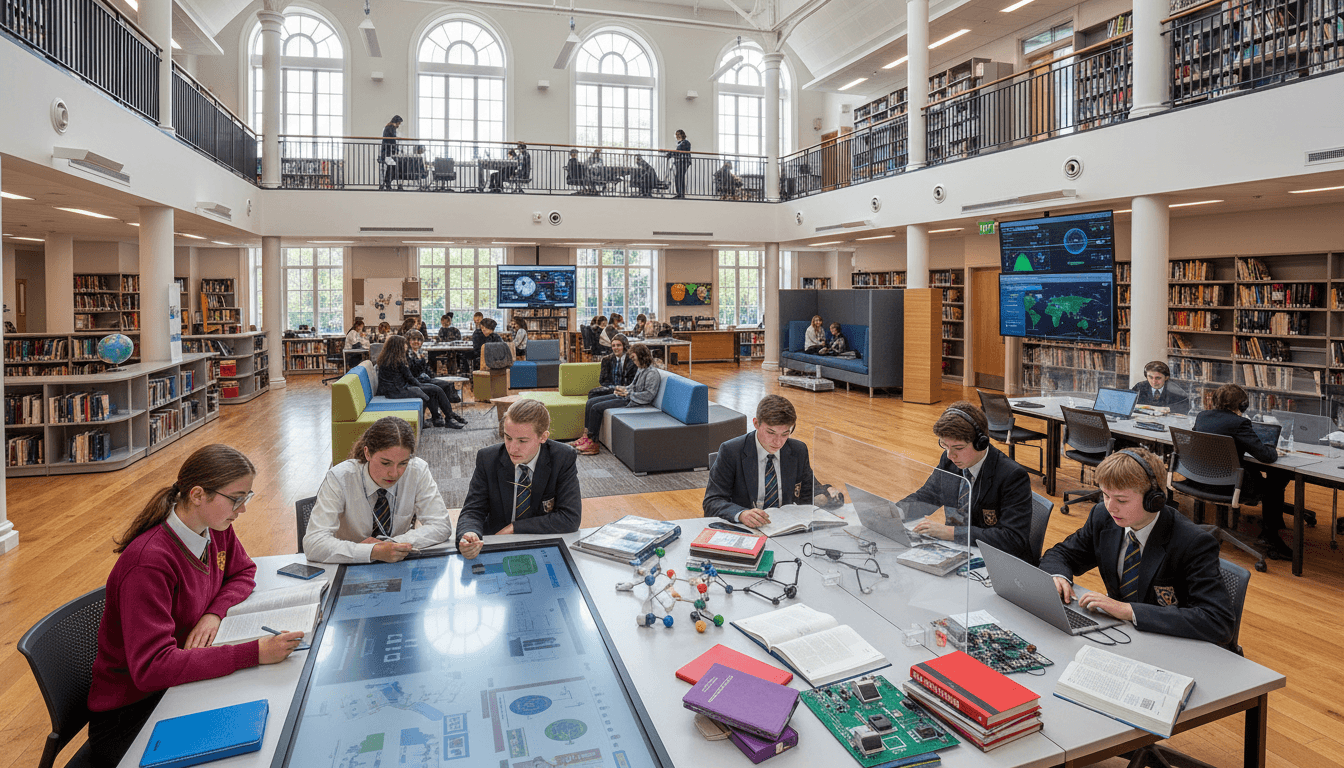
Magnet School Community Service Newsletter: Building Civic Responsibility in Specialized Programs
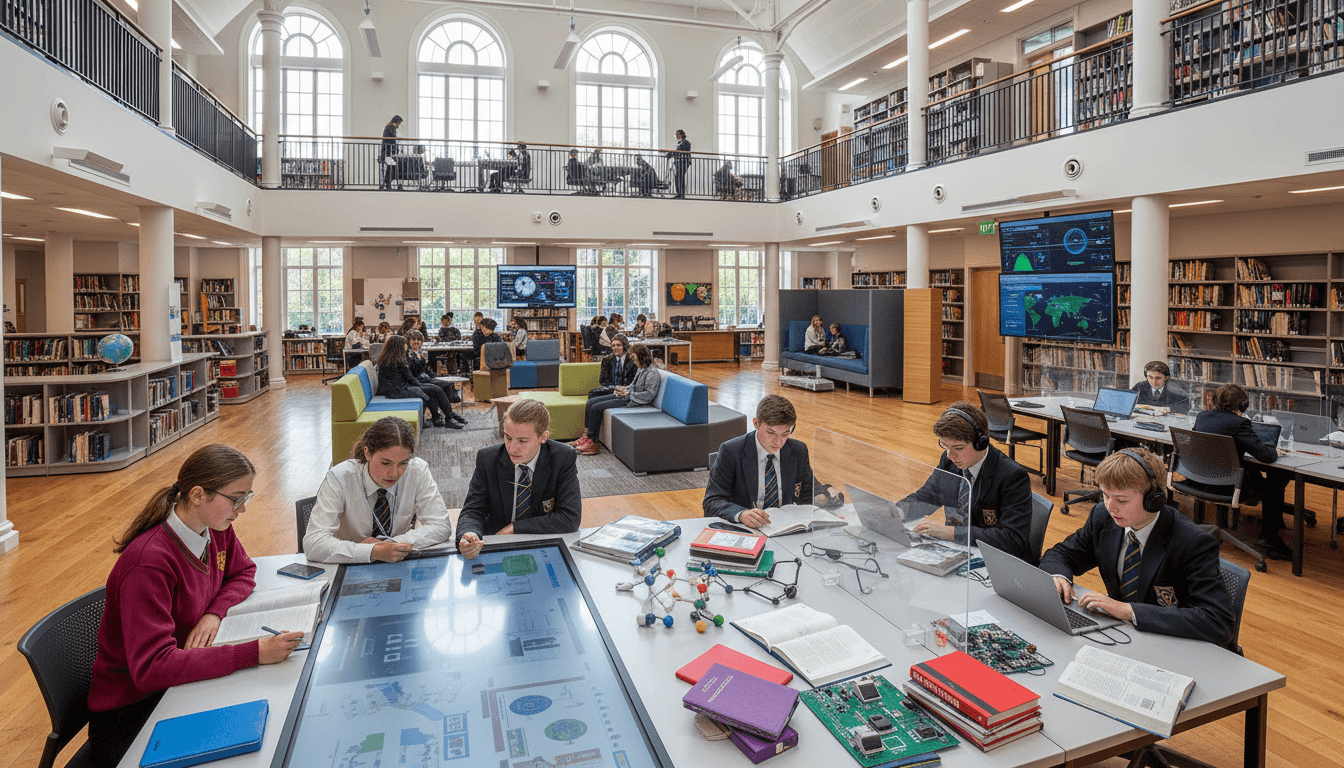
Community service in magnet and IB programs is more than a graduation requirement or a resume builder. When connected authentically to the program's academic and philosophical mission, service learning develops the civic identity that distinguishes education from mere instruction. The newsletter that documents this work shows the community what the program actually stands for.
A magnet program's relationship with the surrounding community is also a factor in whether the program is seen as a resource or an intrusion. Schools that give back visibly build the community goodwill that sustains their programs through political and budget cycles.
Connecting service to program learning
The most meaningful service newsletter content shows the connection between what students are learning in the program and what they are contributing through service. "Students in our environmental science course analyzed water quality data from three local streams as part of their course project. They presented findings to the city water authority, whose staff confirmed that two of the students' observations were consistent with their own monitoring data." This description shows service as genuine contribution, not box-checking.
Surfacing service opportunities
Many students want to serve but do not know where to start. The newsletter can maintain a standing opportunities section that lists current service openings with partner organizations: the organization name, the nature of the work, the time commitment, and how to connect. Update this section monthly. New opportunities should replace completed ones so the list stays current.
Documenting service for IB CAS
For IB schools, service documentation is part of the CAS requirement. The newsletter should remind students regularly about documentation expectations, describe what constitutes appropriate service for CAS purposes, and share examples of strong CAS service reflections. Students who receive concrete guidance on documentation do better work than those who receive only requirements.
Recognizing community partners
Community organizations that partner with the school to host student volunteers deserve acknowledgment in the newsletter. A brief mention of a partner organization, what they do, and how the school-community relationship benefits both parties reinforces the value of these partnerships and encourages other organizations to seek similar relationships with the program.
Year-end service impact summary
An annual service newsletter summarizing total student volunteer hours, partner organizations served, projects completed, and community impact created is a compelling document for program advocacy. A school that can say "our students contributed 3,200 service hours to 18 community organizations this year" is making a concrete case for its community value that goes well beyond academic outcomes.
Get one newsletter idea every week.
Free. For teachers. No spam.
Frequently asked questions
How do magnet programs integrate community service into the curriculum?
Magnet programs connect service to program themes: STEM magnets may tackle community environmental problems with engineering solutions, arts magnets may create public art that serves community spaces, dual language magnets may provide language services to local immigrant communities, and IB programs require CAS service that connects to student learning. The newsletter should document these connections explicitly.
What should a community service newsletter include?
Upcoming service opportunities, recent service project highlights, student service hour totals for programs with requirements, community partner acknowledgments, and student reflections on what they learned from service. Make the newsletter a celebration of contribution, not just a compliance tracking document.
How do you motivate genuine service engagement rather than hour-collection compliance?
Share stories of service that made a visible difference. Feature students who found service connections that genuinely mattered to them rather than those who accumulated the most hours. Ask students to describe what they learned from service rather than what they did. These choices signal that the school values authentic engagement over compliance.
How do you coordinate community service for an IB program with CAS requirements?
A monthly or quarterly CAS service newsletter that announces available opportunities, tracks collective hours, and shares student reflections on service experiences provides both the coordination function and the documentation support that CAS requires. Include clear information about what types of service qualify and how students should document their experiences.
How does Daystage help magnet schools coordinate community service newsletters?
Daystage supports consistent service opportunity announcements and project documentation newsletters that keep students and families informed about how to get involved and what the school is contributing to the broader community.

Adi Ackerman
Author
Adi Ackerman is a former classroom teacher and curriculum writer with 8 years in K-8 schools. She writes about school communication, parent engagement, and what actually works in real classrooms.
More for Magnet & IB
Magnet School Career Pathways Newsletter: Connecting Specialized Learning to Professional Futures
Magnet & IB · 5 min read
Magnet School Transfer Policy Newsletter: Communicating Enrollment Transfers and Program Exit Processes
Magnet & IB · 5 min read
IB Diploma Programme Newsletter: Communicating DP Requirements and College Preparation to Families
Magnet & IB · 6 min read
Ready to send your first newsletter?
3 newsletters free. No credit card. First one ready in under 5 minutes.
Get started free