
IB Music Newsletter: Composition Performance and Assessment
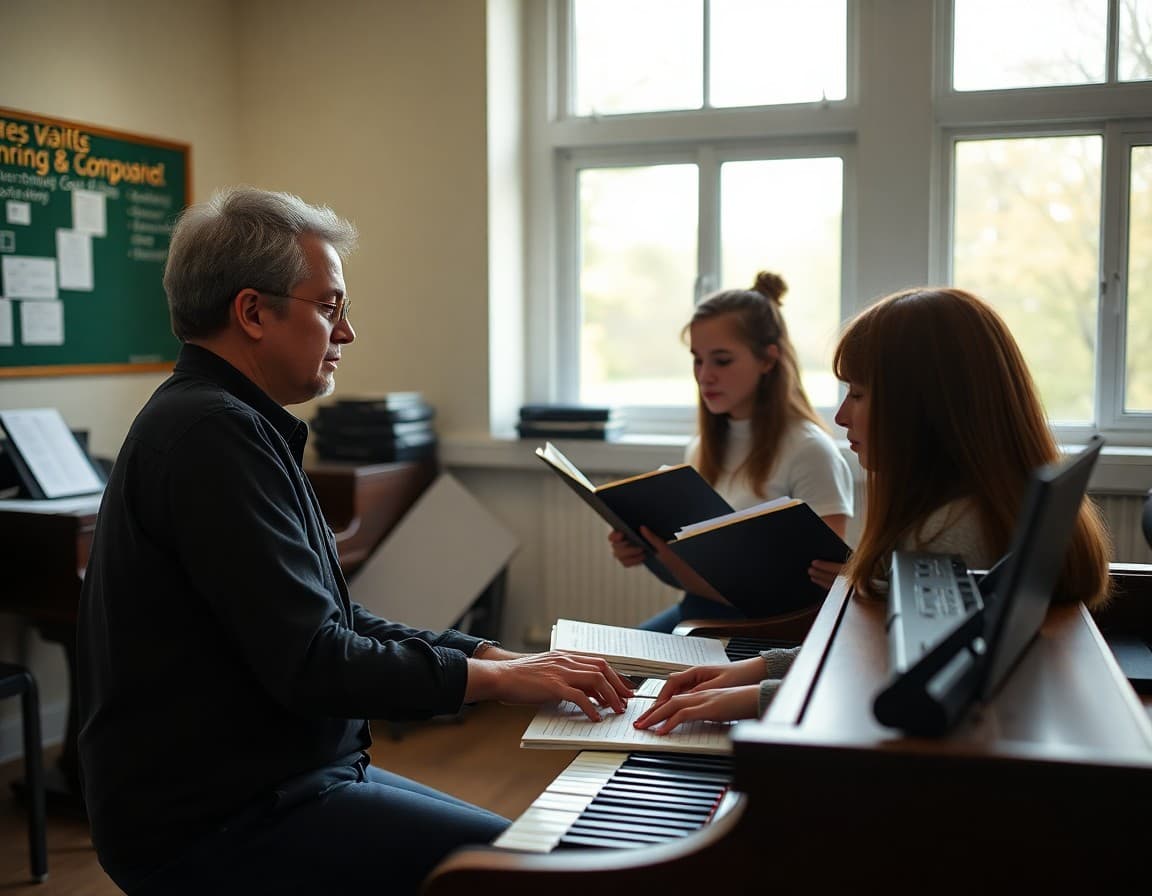
IB music teachers carry a communication load that most subject teachers do not. You are managing composition portfolios, solo performing schedules, ensemble logistics, and a musical links investigation, all while helping students understand an assessment framework that even their parents find confusing. A well-written newsletter cuts through that confusion and gives families a concrete picture of what their student needs to do next.
Start With the Assessment Calendar
Before you write a single sentence, map out your IB music year. The three components of the HL and SL music assessment create natural newsletter anchor points. Solo performing portfolios are due in the first half of the year. Creating submissions follow. The musical links investigation wraps up last. Once you have those dates on a calendar, you know exactly what to write about each month and when.
Share this calendar in your first newsletter of the year. A simple table with component names, what students submit, and the internal deadline is more useful to families than a paragraph of explanation. Print it, screenshot it, reference it all year.
Explain the Three Components Once, Clearly
Most IB music parents have never heard of the musical links investigation. Many do not know the difference between the creating and solo performing components. Your first newsletter of the year should include a one-paragraph plain-language summary of each component: what the student does, how long it is, and what percentage of the final score it represents. You only need to write this once. Paste it into your welcome email and link back to it throughout the year.
Monthly Updates That Actually Help
The best IB music newsletters answer the question every parent is silently asking: what should my student be doing right now? In October that might mean 20 minutes of solo practice per day. In February it might mean finishing the first draft of their composition. In April it might mean checking that their recording equipment works before the submission window opens.
Keep each monthly update to three sections: what we finished, what we are working on, and what families can do to support their student. That last section is often the most read.
Performance Announcements Deserve Their Own Send
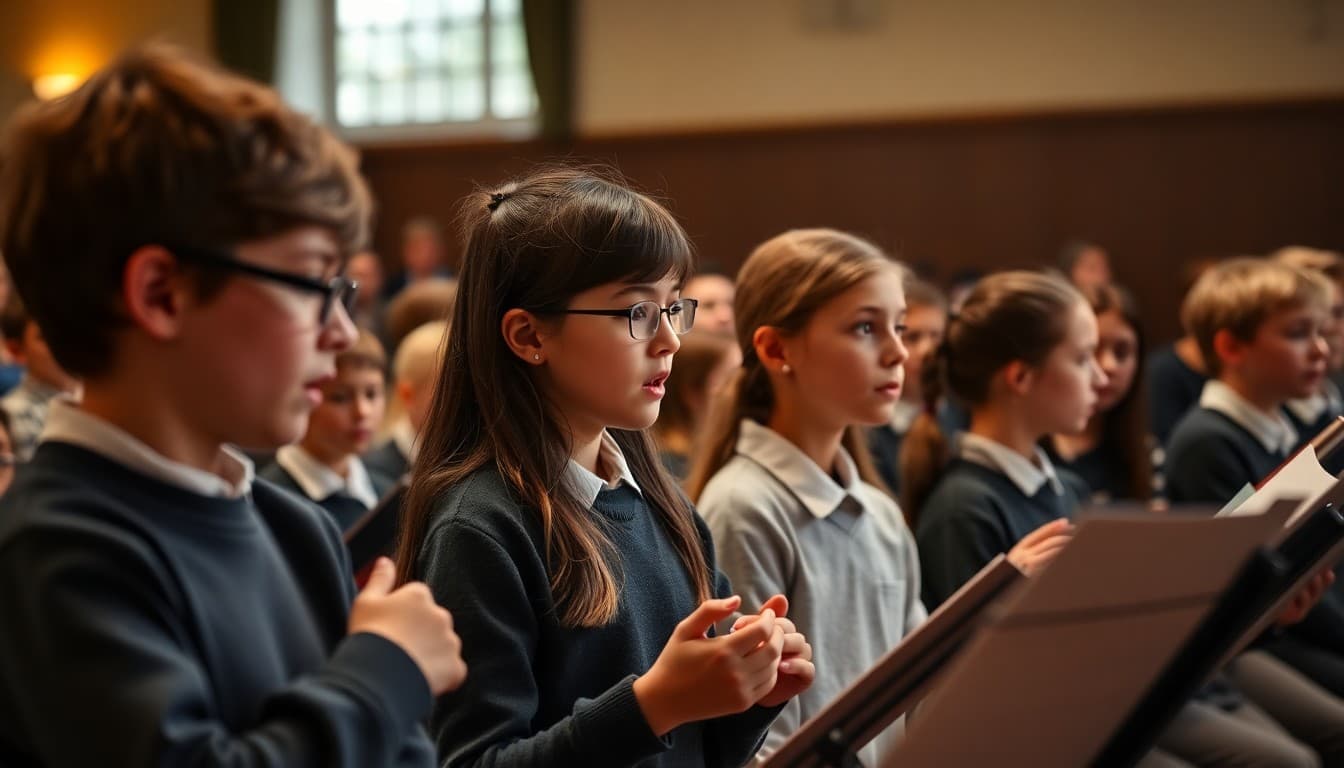
When your IB music students perform, send a standalone announcement two weeks before and a reminder three days before. Include the date, time, location, and whether families need to arrive early for seating. After the performance, send a brief follow-up with a photo or two. These are easy wins for community building and they tend to get forwarded, which builds visibility for your program.
Addressing Composition Anxiety Directly
IB music students often struggle with the creating component more than solo performing. They know how to practice a piece. They are less certain about composing one. When your newsletter reaches the composition phase, name that anxiety directly. Remind families that the IB values creative intention and musical understanding, not production quality. A short paragraph explaining what "accomplished composition" looks like at the SL or HL level prevents weeks of panicked emails in April.
Use the Newsletter to Recruit for Ensemble
If your school has an IB music ensemble or supports one, the newsletter is where you recruit. When families know that their student has Thursday afternoons free and that the ensemble meets Thursdays at 3:30, they can make it happen. A two-sentence plug in your September newsletter can fill spots that would otherwise stay empty.
Template Language That Works
Here is a section you can adapt for any IB music newsletter: "This month students are focused on [component]. By [date], each student should have [specific milestone]. If your student has not [action], please encourage them to speak with me before [earlier date]. Families can help by [one concrete action]." That structure takes 10 minutes to fill out and gives parents exactly what they need.
Closing the Year Strong
Your end-of-year newsletter should celebrate what students accomplished, acknowledge the difficulty of the program, and give families a clear picture of what comes next. If students are submitting to IB in May, say so. If results come in July, explain what to expect and how to interpret scores. Families who feel informed become advocates for your program. That matters when enrollment decisions happen.
Get one newsletter idea every week.
Free. For teachers. No spam.
Frequently asked questions
How often should I send an IB music newsletter?
Monthly works well for most IB music programs. You have natural anchor points throughout the year: composition deadlines, performance dates, and IA submission windows. A monthly cadence keeps families in the loop without becoming noise. If a major event is coming up, a short standalone send two weeks before is fine.
What should I include in an IB music newsletter for parents unfamiliar with the program?
Start with one plain-language sentence about what students are working on, then explain why it matters for the IB assessment. For example: 'This month students are completing their solo performing component, which counts for 30% of their final score. They need 20 minutes of rehearsed repertoire by November 15.' Parents do not need to know every IB rubric detail, but they do need to know what their student should be doing at home.
How do I explain IB music assessment in a newsletter without sounding technical?
Use the three components as your framework: solo performing, creating, and the musical links investigation. Describe each one in terms of what the student does, not what the examiner looks for. Instead of 'criterion A evaluates technical control,' write 'students perform a 20-minute program of their own choosing and are assessed on accuracy, expression, and understanding.' Plain language builds parent confidence and reduces anxious emails later.
Should I include student work samples in the IB music newsletter?
Yes, when you can. A 60-second audio clip of a student composition or a short video of an ensemble rehearsal gives the newsletter texture that text alone cannot. Get permission from students and families first, and keep clips short. Parents share these updates with grandparents and relatives, which creates goodwill for your program.
What tools work best for sending an IB music newsletter?
A platform built for school communication makes the process much faster. Daystage lets you embed audio and video directly in the newsletter, schedule sends, and track which families opened it. That last feature matters for IB music because you can follow up personally with families who missed deadline reminders.

Adi Ackerman
Author
Adi Ackerman is a former classroom teacher and curriculum writer with 8 years in K-8 schools. She writes about school communication, parent engagement, and what actually works in real classrooms.
More for Magnet & IB
Ready to send your first newsletter?
3 newsletters free. No credit card. First one ready in under 5 minutes.
Get started free