
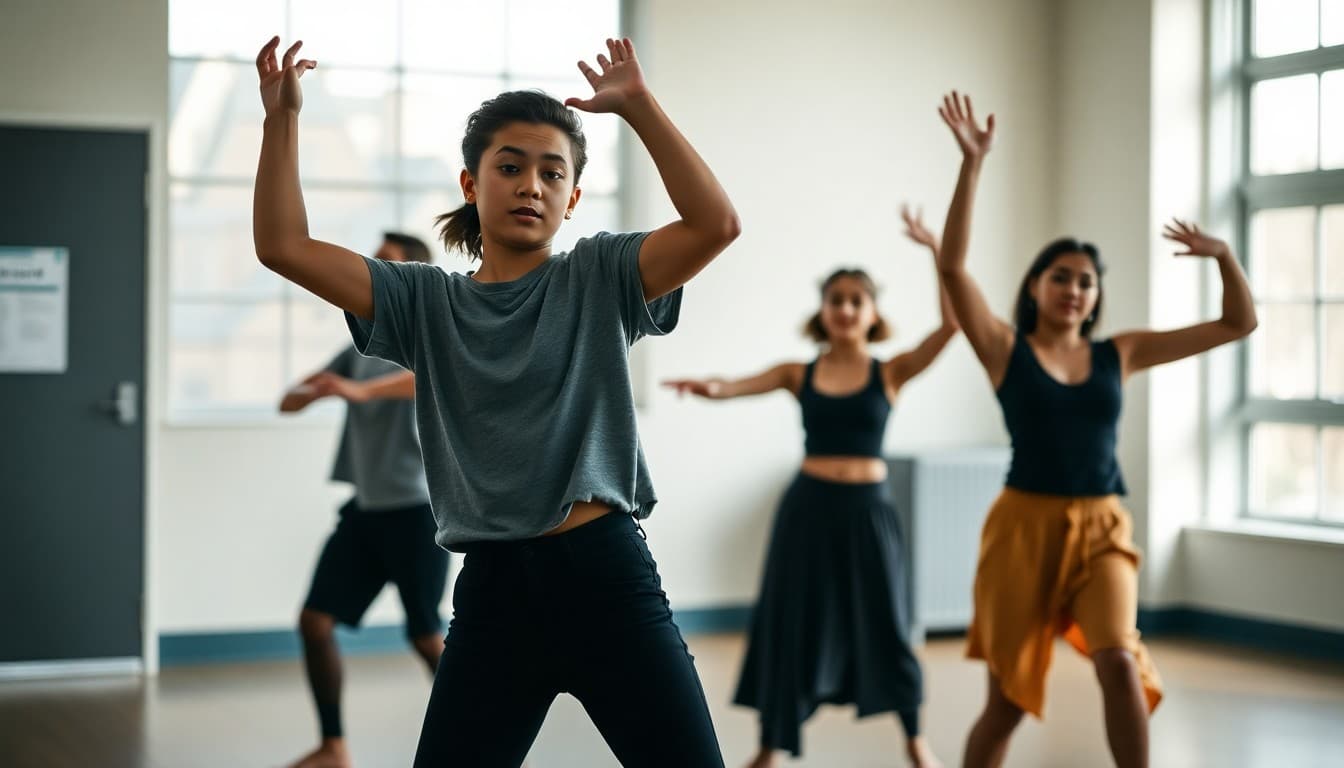
IB Dance Newsletter: Performance and Composition Updates
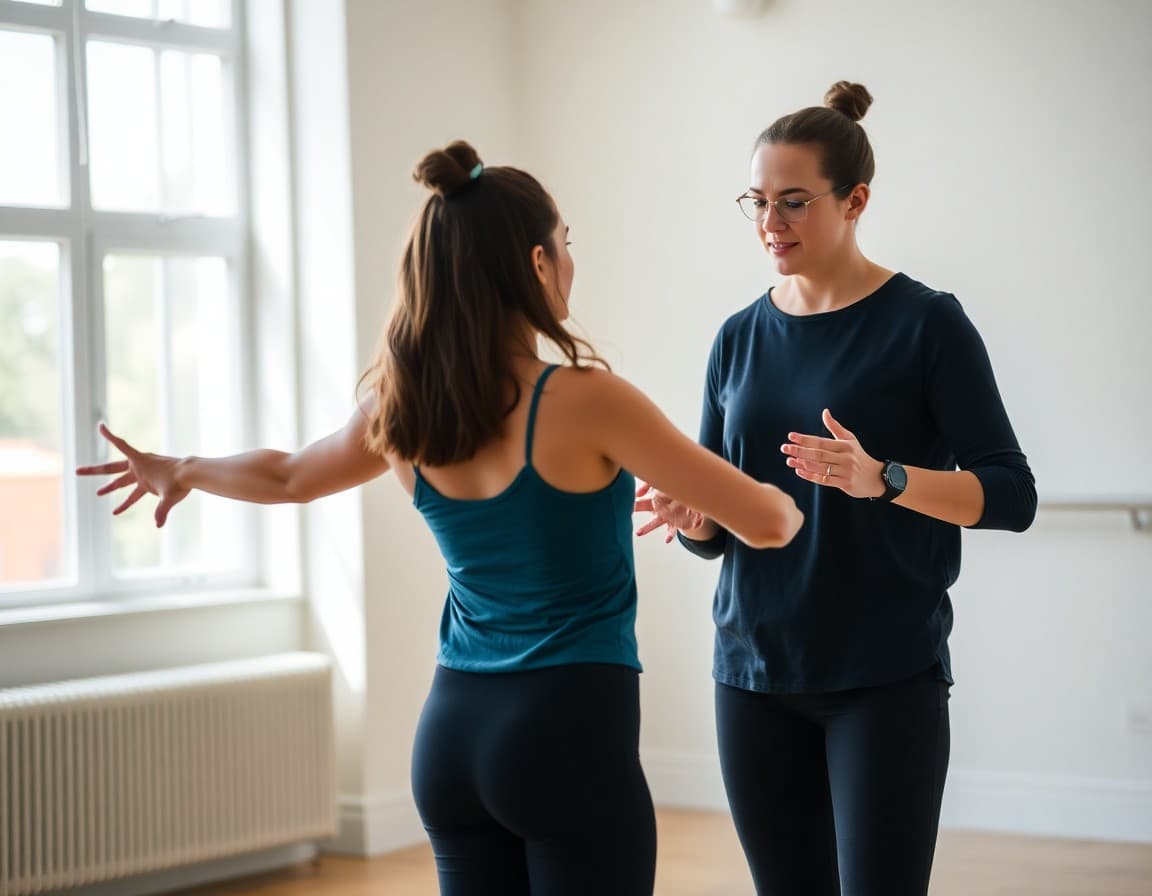
IB Dance occupies a space that families sometimes misread. They see students stretching and rehearsing and assume the course is primarily physical. But IB Dance is a full academic course that requires written analysis, cultural research, and compositional thinking alongside technical training. Your newsletter helps families understand all of it, which makes them more effective supporters and more engaged audience members when performances arrive.
Establish the Academic Identity of the Course
Your first newsletter should be direct about what IB Dance is. "This is an arts course with a substantial research and analysis component. Students study dance from multiple cultural traditions, write a formal dance investigation, and compose original work. Technical performance is one part of a broader academic experience." That framing prevents the misunderstanding that homework in an IB dance class is just practice time.
The Three Assessment Components
IB Dance has three components, and families who know all three are better positioned to support their students' time management. The solo performance requires students to present a prepared piece that demonstrates their personal performance identity and technical development. The composition requires original choreographic work. The dance investigation is a written research project that connects dance practice to cultural or historical context. In your first newsletter, give families a single sentence on each. Update them on whichever component is currently in focus.
Cultural Study as Course Core
IB Dance requires students to study dance traditions from cultures other than their own. When you introduce a new tradition, whether it is West African, South Asian classical, or contemporary European, describe it in your newsletter. "This month students are studying Bharatanatyam, a classical Indian dance tradition. They are learning its history, its connection to temple worship and narrative storytelling, and its use of mudras (hand gestures) as a codified vocabulary." That context gives families something to discuss with their students and positions the course as genuinely cross-cultural.
Choreography Updates
Composition is often the most challenging and personal part of IB Dance. Students must create something that is their own, informed by research and structured intentionally. When students are in the composition phase, describe what the process involves. "Students are currently developing original compositions. They begin with a choreographic intent, make structural decisions about how the piece develops, and revise based on observation and feedback. This is creative work with academic rigor." That framing prepares families for a student who may seem stuck, uncertain, or in constant revision mode.
Performance Announcement Protocol
Every performance deserves at least two newsletter sends. The first, three weeks before, gives families the essential information: date, time, venue, what to expect, and whether tickets or registration are required. The second, three days before, is a brief reminder with any last-minute logistics. After the performance, a follow-up with photos or video clips closes the loop. Students who see their performance documented in a newsletter that goes to 200 families feel their work was witnessed and valued, which motivates continued effort.
Technical Training Updates
When the class focus is on technical development rather than composition or performance, say so in your newsletter. "This month we are building core technique: floor work, improvisation structures, and weight-sharing in contact sequences. This technical foundation shows up in every aspect of the assessment." Families who understand the difference between skill-building phases and performance-prep phases can support their students' practice goals more effectively.
The Dance Investigation
The dance investigation is the component that surprises families most. Students write a formal research paper connecting their dance practice to a cultural or historical context. In your newsletter, describe what this looks like concretely. "Students are writing dance investigations of approximately 3,000 words. They choose a focus, such as how a specific tradition reflects its cultural origins, and develop a reasoned argument supported by evidence from primary and secondary sources." Families who see this understand that IB Dance demands the same academic writing skills as any other IB subject.
Building Audience for the Arts
One of the most valuable things your newsletter can do is build an audience for student performances. Families who have been following the development of a piece over months arrive with more context, more appreciation, and more generosity toward the work. They share the performance with their networks. They return year after year. A newsletter that treats the entire creative process as worth communicating, not just the final performance, builds exactly that kind of audience.
Get one newsletter idea every week.
Free. For teachers. No spam.
Frequently asked questions
What should families know about IB Dance that a newsletter can explain?
That IB Dance is an academic course, not just a performance class. Students study dance from multiple cultural traditions, analyze dance works critically, compose original choreography, and perform. The course has three assessment components: the solo performance, the composition, and the dance investigation. Families who understand this academic dimension support their students differently, allocating time for research and written work alongside rehearsal.
How do I explain IB Dance assessment to parents in a newsletter?
Break it into the three components with one sentence each. The solo performance is a 2 to 4 minute (SL) or 4 to 6 minute (HL) original performance of work that demonstrates technical skill and artistic intention. The composition is a choreographic piece that shows creative and structural understanding. The dance investigation is a written research project connecting dance to cultural context. Telling families which component you are currently preparing for helps them understand what home practice should look like.
How do I communicate upcoming performances in the newsletter?
Send performance announcements in two waves: three weeks before with the event details and what to expect, and three days before as a reminder. Include the start time, venue, and whether families should arrive early. After the performance, a brief follow-up with photos or video stills maintains momentum and shows students that their work was witnessed and appreciated.
How often should I send an IB dance newsletter?
Monthly is appropriate, with additional sends around performance dates and assessment deadlines. IB Dance moves through distinct phases: technical training, choreographic development, cultural study, and assessment preparation. Each phase warrants a newsletter that orients families to what students are working on and why.
What newsletter tool works well for IB Dance communication?
You need a platform that handles video and images well, since dance is a visual art form. Daystage supports embedded video links and high-quality images, which makes it possible to share a short rehearsal clip or performance photo that conveys what no amount of written description can. Families who see their student at work are more engaged and more likely to attend performances.

Adi Ackerman
Author
Adi Ackerman is a former classroom teacher and curriculum writer with 8 years in K-8 schools. She writes about school communication, parent engagement, and what actually works in real classrooms.
More for Magnet & IB
Ready to send your first newsletter?
3 newsletters free. No credit card. First one ready in under 5 minutes.
Get started free