

Kindergarten Transition Newsletter: Language Skills and Communication
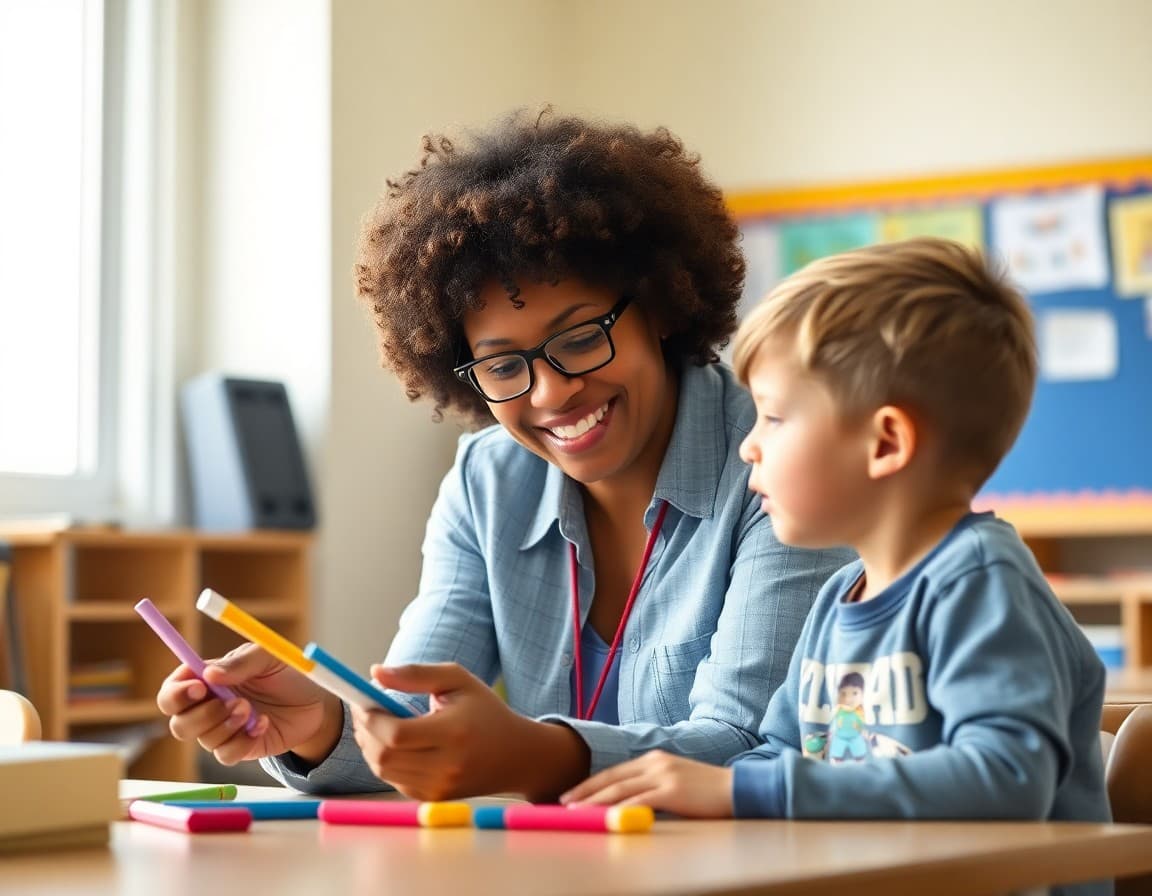
Language is not just a communication skill in kindergarten. It is the primary mode through which all learning happens. A child who can listen, understand, and speak is positioned to access the whole curriculum. A child with significant language gaps faces barriers that affect every subject. This newsletter covers what language skills matter most and how families can build them before and during kindergarten.
Listening comprehension: the foundation
Before any academic learning can happen in kindergarten, a child needs to be able to listen and understand spoken language in a group setting. That means following multi-step instructions delivered to the whole class, understanding the vocabulary of instruction, such as "sort", "compare", "describe," and attending to a story or explanation for fifteen to twenty minutes.
Build listening comprehension through read-aloud, storytelling, and conversations that require your child to hold information in working memory. Ask them to retell what they just heard. Ask them to follow a two or three-step instruction and check whether they can do it.
Vocabulary: the learning advantage
The gap between children with rich vocabularies and those with limited ones is one of the most consistent predictors of kindergarten and later school performance. The good news is that vocabulary is built through exposure, and exposure comes from conversation and read-aloud.
Use specific words with your child. Say "enormous" instead of "really big." Say "exhausted" instead of "tired." When your child asks what a word means, explain it. When you read a book and encounter an unusual word, stop and talk about it. Every new word is a future academic advantage.
Storytelling: the narrative skill
A child who can tell a connected, sequenced story about something that happened is demonstrating oral language sophistication that directly supports both reading comprehension and writing. Ask your child to tell you what happened at the park, what they did at a birthday party, what the book you just read was about.
When the story is jumbled or incomplete, ask questions to help them organize it: what happened first, what happened next, how did it end. The scaffolding helps build the narrative structure that will matter in writing assignments from kindergarten through high school.

Communicating with unfamiliar adults
A child who only communicates comfortably with parents and familiar caregivers will struggle in kindergarten because the primary adult they need to communicate with is someone they have just met. Practice talking to adults who are not parents: grandparents, family friends, librarians, store clerks. Let your child order their own food or ask for help finding something. These small interactions build the communication confidence kindergarten requires.
The question-answering skill
Kindergarten teachers ask many questions. Can you tell me what you notice? What do you think will happen? How are these the same and how are they different? Children who are comfortable answering open-ended questions participate more fully and learn more than those who only respond when the answer is clearly right or wrong.
Practice open-ended questions at home. Ask your child what they think, not just what they know. Their opinions and predictions matter and deserve genuine engagement.
For bilingual children and English learners
If your child is learning English alongside another language, keep building both. Bilingual children develop two rich language systems, and strong skills in the home language support English acquisition rather than competing with it. Tell the teacher about your child's language background at the start of the year.
Get one newsletter idea every week.
Free. For teachers. No spam.
Frequently asked questions
Why do language skills matter for kindergarten readiness?
Language is the medium through which all kindergarten instruction happens. A child who cannot follow multi-step verbal directions, communicate their needs to a teacher, or understand spoken instructions is cut off from the primary mode of learning in the classroom. Oral language also connects directly to reading: children who have large spoken vocabularies learn to read faster because they already know the words they are decoding.
What oral language skills should a kindergartner have?
The ability to tell a connected story about something that happened, follow two-to-three step verbal instructions, answer why and how questions about familiar topics, communicate basic needs to an unfamiliar adult, and engage in back-and-forth conversation. Children with these skills can participate fully in kindergarten instruction. Gaps in any of them are worth addressing before the year starts.
My child speaks English as a second language. What should I know for the kindergarten transition?
Tell the teacher before school starts. A child who is learning English while also learning academic content has different needs than a native English speaker, and the teacher needs this information to provide appropriate support. Also keep supporting your home language. Research consistently shows that strong home language skills support, rather than compete with, English language acquisition.
How do I build vocabulary with my kindergartner over the summer?
Through conversation, read-aloud, and experience. Talk about what you are doing and why. Use specific words rather than vague ones. Read books with rich vocabulary and stop to explain words your child asks about. Visit places, name what you see, and describe it. Children who are talked to frequently in specific, rich language develop vocabulary faster than those whose language environment is simple or limited.
How does Daystage help teachers support language development communication with families?
A teacher using Daystage can include a weekly vocabulary word or phrase from the classroom in the family newsletter. When families use the same language at home, the word gets reinforced in a second context. That kind of home-school language connection accelerates vocabulary acquisition in measurable ways.

Adi Ackerman
Author
Adi Ackerman is a former classroom teacher and curriculum writer with 8 years in K-8 schools. She writes about school communication, parent engagement, and what actually works in real classrooms.
More for Kindergarten Transition
Ready to send your first newsletter?
3 newsletters free. No credit card. First one ready in under 5 minutes.
Get started free