
Kindergarten Math Readiness Newsletter: How to Help Families Build Number Sense Before School Starts
Math anxiety starts early and it is often transmitted from parents to children before school begins. A math readiness newsletter that frames early math as embedded in daily life and naturally enjoyable does two things at once: it prepares children for kindergarten math and it reduces the math anxiety cycle that starts when families treat math as something scary and technical rather than practical and fun.
Number sense versus rote counting
Many families focus on getting their child to count to 20 before kindergarten. Counting in sequence is useful, but number sense is what kindergarten math is actually built on. Number sense means understanding what numbers represent as quantities: that five is not just a word in a sequence but a specific amount that means the same thing whether you are counting blocks, steps, or bites of food.
Families can build number sense by always connecting numbers to quantities. Not just counting, but counting specific objects and asking how many. Comparing quantities. Talking about more, fewer, and the same. These conversations happen naturally in daily life when families are thinking about them.
Math in daily routines
The best summer math preparation is not worksheets or apps. It is mathematically rich daily conversation. Specific activities that build kindergarten math skills include:
- Setting the table: how many plates do we need for four people?
- Grocery shopping: let's get three apples, count them with me
- Sorting laundry or toys by color, size, or type
- Cooking: measuring ingredients and talking about amounts
- Board games and card games that involve counting and number recognition
- Counting steps, cars, or other objects encountered in daily life
Shapes and spatial reasoning
Kindergarten geometry covers recognizing and naming basic shapes, describing their properties, and noticing shapes in the environment. Families can support this by naming shapes during everyday activities: the stop sign is an octagon, the window is a rectangle, the pizza slice is a triangle. Spatial language such as above, below, next to, and behind is also part of kindergarten math and develops through movement and play.
Patterns
Pattern recognition is a foundational mathematical thinking skill. Children who can identify, extend, and create patterns are building the logical thinking that underlies more advanced math. Families can practice patterns during craft activities, with sticker arrangements, or by noticing patterns in nature: stripes on a shirt, tiles on a floor, the repeating sequence of traffic lights.
What to say when a child says math is hard
Include a brief note for families about how to respond when a child expresses frustration with math activities. Encourage effort over ability. Instead of saying you are so smart, say you worked hard on that. Research consistently shows that praising effort rather than innate ability builds resilience and persistence in academic tasks, including math.
Get one newsletter idea every week.
Free. For teachers. No spam.
Frequently asked questions
What math skills matter most for kindergarten readiness?
Number sense is the foundation. This means more than reciting numbers in sequence. It means understanding what numbers represent: that five means a specific quantity, that seven is more than five, that you can count objects and get the same total as the spoken number. Rote counting to 20 is a baseline. Understanding quantity is the skill that matters.
How can families build math skills without worksheets or formal instruction?
Almost every daily activity involves math. Counting stairs, setting the table with the right number of items, sorting laundry by color, comparing who has more juice, estimating how many steps to the car. These embedded math conversations build number sense more effectively than isolated practice sessions.
Does a kindergartner need to know how to add before starting school?
No. Addition is typically introduced in kindergarten and the curriculum begins from the most basic building blocks. A child who arrives knowing how to add has a head start on that specific skill but is not more ready for kindergarten in the broader sense. Number sense and quantity understanding predict kindergarten math success more reliably than knowing formal operations.
How do kindergarten teachers use math manipulatives and what can families use at home?
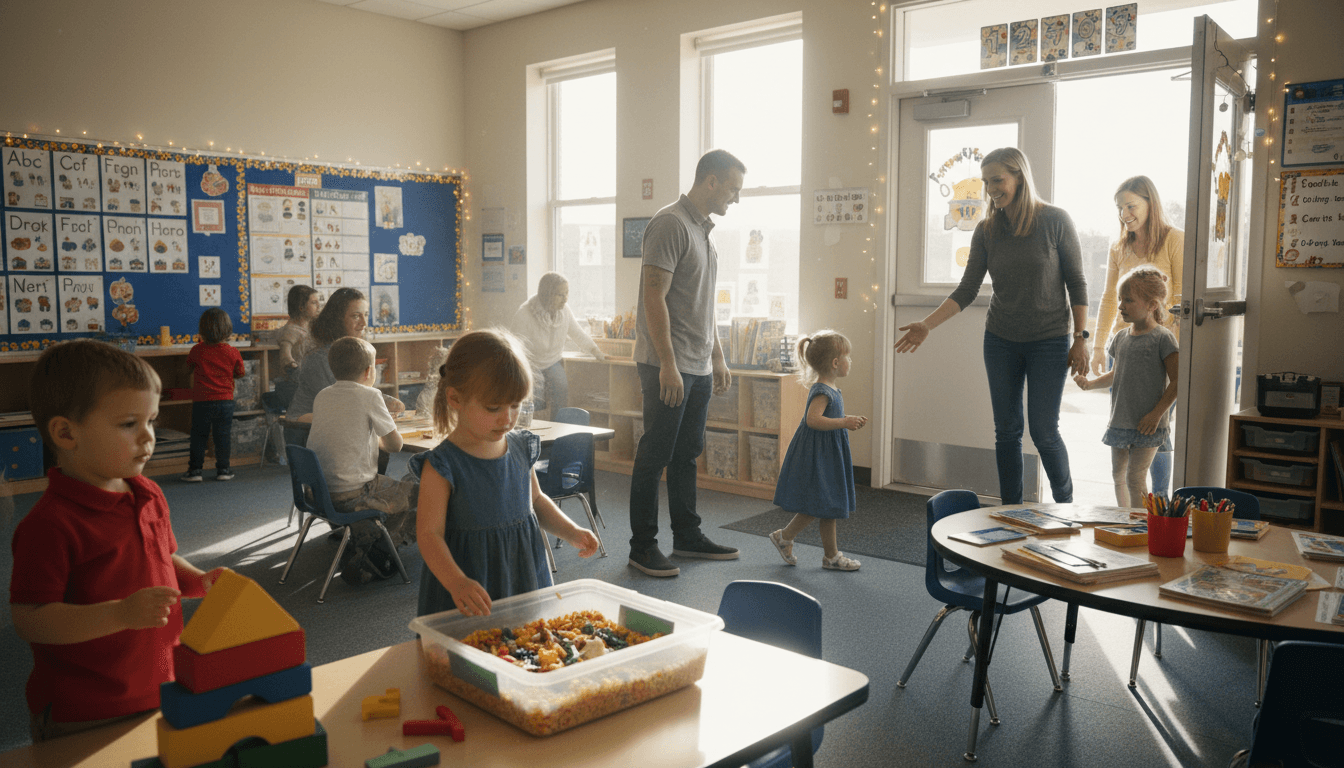
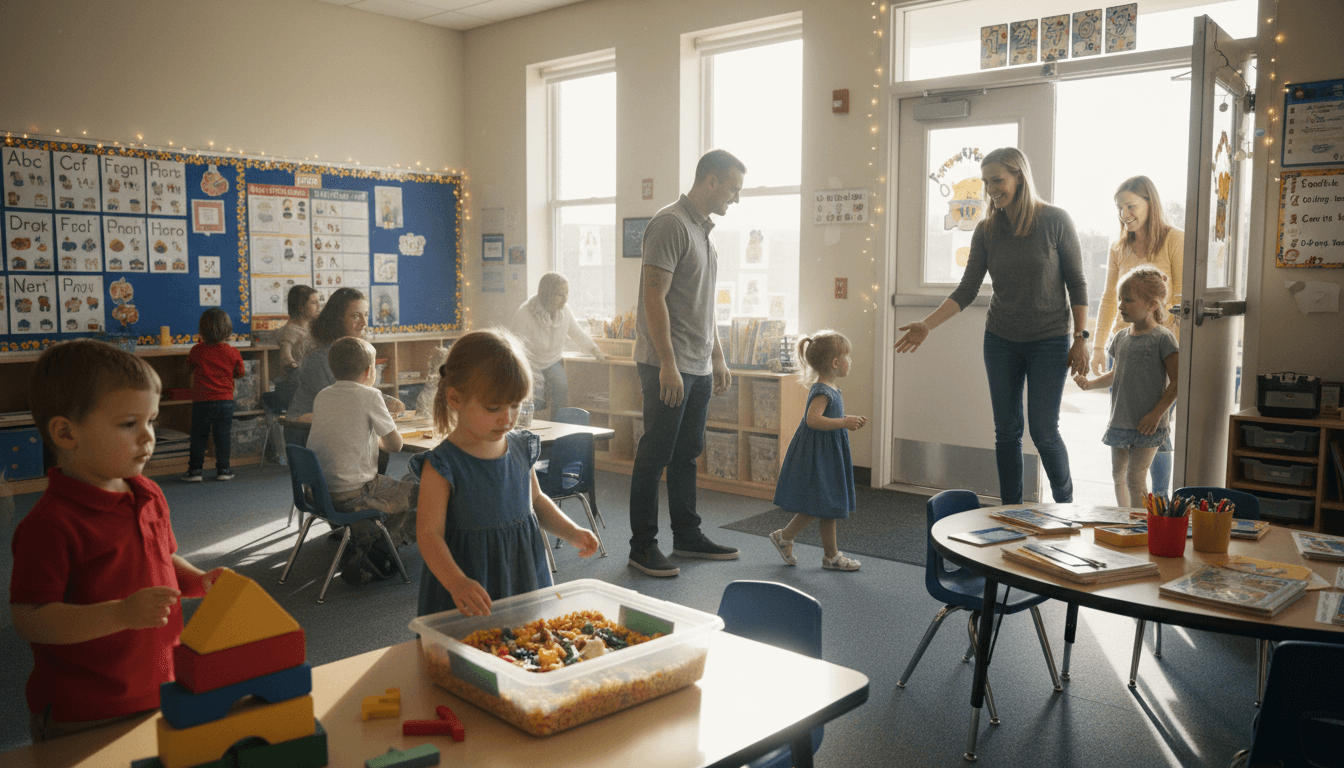
Kindergarten math relies heavily on physical objects: blocks, counters, sorted items. At home, any small countable objects work: coins, beans, small toys, cereal pieces. The physical act of counting objects, grouping them, and rearranging them develops number sense faster than pencil-and-paper practice.
How does Daystage support kindergarten math communication?
Daystage handles classroom newsletter communication for school programs. Kindergarten teachers use it to send subject-specific readiness newsletters with activity suggestions formatted as clear, scannable lists that families find easy to act on.

Adi Ackerman
Author
Adi Ackerman is a former classroom teacher and curriculum writer with 8 years in K-8 schools. She writes about school communication, parent engagement, and what actually works in real classrooms.
More for Kindergarten Transition
Kindergarten Report Card Newsletter Guide for Families
Kindergarten Transition · 5 min read
Kindergarten Supply List Newsletter: How to Tell Families What to Buy Without the Confusion
Kindergarten Transition · 5 min read
Kindergarten Community Helpers Newsletter Guide
Kindergarten Transition · 5 min read
Ready to send your first newsletter?
3 newsletters free. No credit card. First one ready in under 5 minutes.
Get started free