
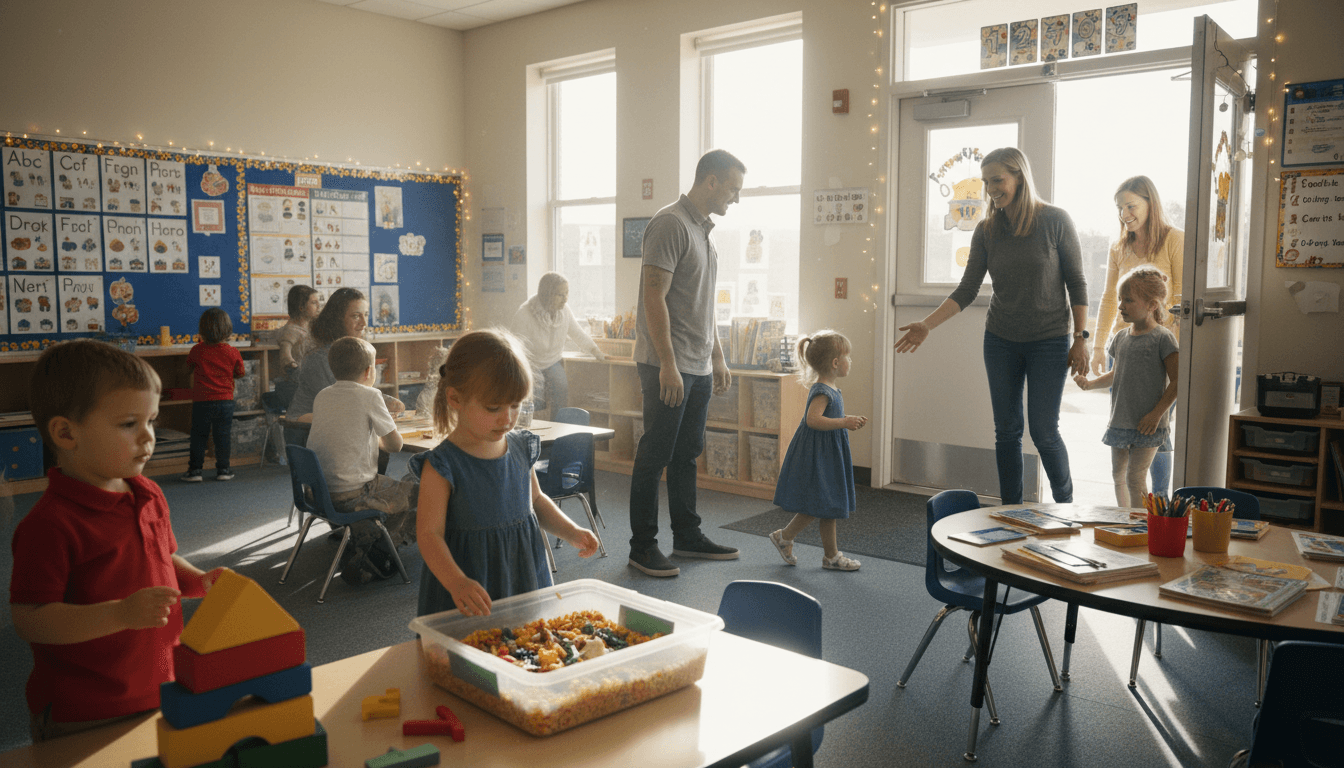
Kindergarten STEM Introduction Newsletter: How to Explain Early Engineering and Science to Families
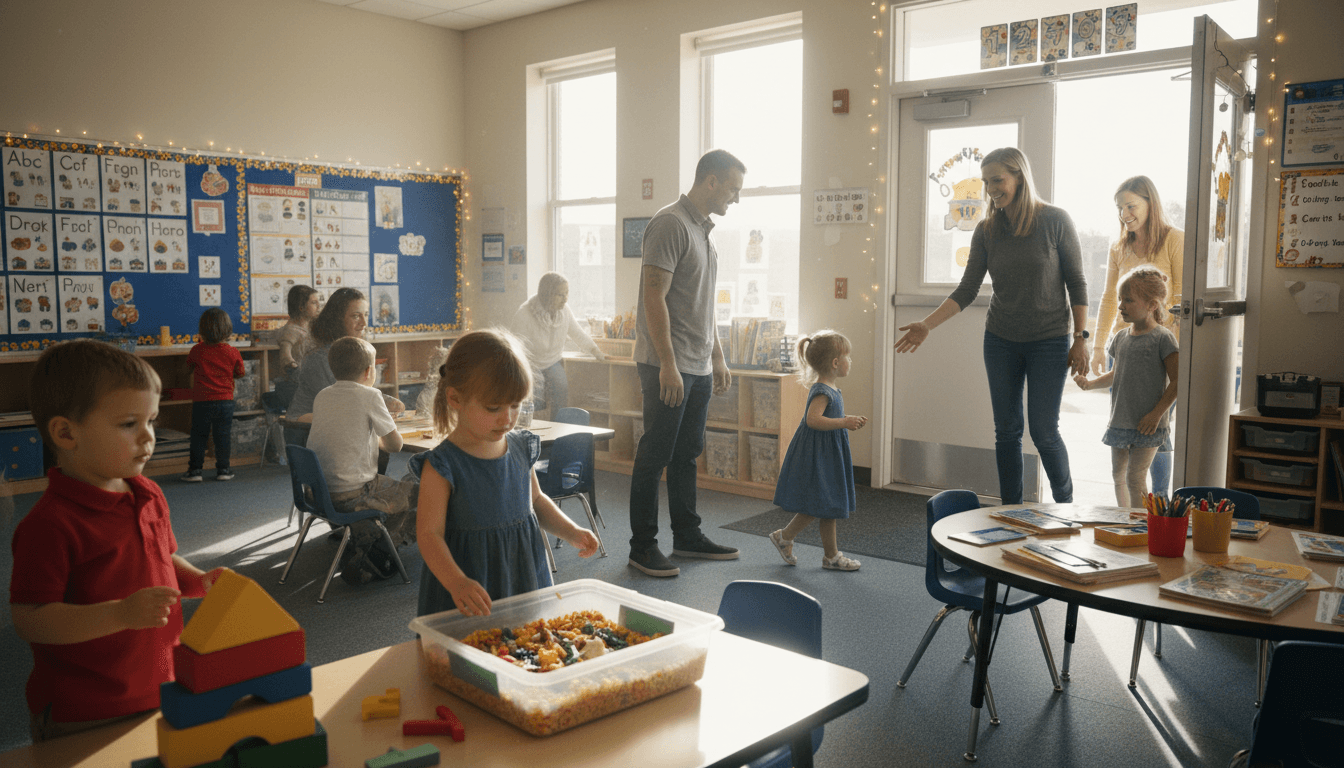
STEM in kindergarten looks nothing like STEM in high school, and a newsletter that explains the difference sets up families to understand and appreciate what their child is doing in the classroom rather than wondering why kindergartners are building things instead of learning their letters.
Kindergarten STEM is about the habits of scientific thinking: curiosity, observation, prediction, experimentation, and conclusion. These habits develop through structured exploration and engineering play and they lay a foundation that matters for everything that follows in science education.
What STEM looks like at age five
A kindergarten STEM activity might look like this: children are given four different materials and a challenge to build a bridge that holds a toy car. They try, observe what holds and what collapses, modify their design, and try again. The content is simple. The thinking is genuinely scientific.
Science investigation at this age means noticing, asking questions, and making predictions about things the children can observe directly. What happens to ice in the sun? Which rock is heavier? Which material absorbs water? These investigations are the gateway to scientific thinking, not its destination.
Engineering in block play and construction centers
The engineering design process happens naturally in block play when children attempt to build something specific, encounter a structural challenge, figure out why it failed, and try again. A teacher who observes this play carefully and asks the right questions is teaching engineering process without formal engineering content.
Math as STEM foundation
The math that kindergartners are developing is foundational STEM literacy. Measurement, data, pattern recognition, and spatial reasoning are all simultaneously mathematics curriculum and STEM preparation. When a child sorts objects by weight and discovers that size does not predict heaviness, they are doing science with math tools.
How families extend STEM learning at home
Include three or four specific STEM activities families can do at home using materials they already have. Building a structure with pillows and cushions and seeing how high it can go before falling. Sorting a handful of objects in different ways and explaining the sorting rule. Predicting which things float and which sink before testing them in a sink of water. Counting and measuring the growth of a plant over two weeks.
The STEM mindset families can model
Beyond specific activities, describe the mindset families can model: treating not-knowing as an interesting starting point rather than a problem, talking through guesses before testing them, and treating failed experiments as information rather than failure. Children who hear adults approach uncertainty with curiosity develop a STEM mindset that no specific activity can replicate.
Get one newsletter idea every week.
Free. For teachers. No spam.
Frequently asked questions
What does STEM look like in a kindergarten classroom?
Kindergarten STEM is grounded in observation, questioning, and building. Children investigate materials, make predictions, test ideas, and notice what happens. An engineering challenge might be building the tallest tower with 20 blocks. A science inquiry might be observing what happens to ice in a warm room. The thinking process, not the technical content, is the focus.
How can families support STEM learning at home without expensive materials?
Curiosity and observation are the foundations of STEM thinking and require nothing more than attention and questions. Asking why and how about everyday phenomena, investigating things that fall apart or break before throwing them away, measuring and comparing during cooking, and spending time outdoors noticing nature are all STEM activities that cost nothing.
Should kindergartners learn specific science content or science process skills?
Process skills are the priority in kindergarten: observing, questioning, predicting, testing, and concluding. Content knowledge at this age is most valuable when it emerges from the process of inquiry rather than being delivered as facts. A child who learns what a seed needs by planting and observing retains the knowledge differently than one who memorizes it from a list.
How do teachers assess STEM learning in kindergarten?
Through observation and documentation: photographs of building projects, children's explanations of their thinking, drawings of observations, and conversations during science activities. STEM assessment in kindergarten is observational rather than test-based and looks at the child's thinking process rather than a correct answer.
How does Daystage support STEM curriculum communication for kindergarten programs?
Daystage handles classroom newsletter communication. Kindergarten teachers use it to share STEM activity descriptions and home extension ideas that render well on mobile so families can reference them during weekend outdoor activities.

Adi Ackerman
Author
Adi Ackerman is a former classroom teacher and curriculum writer with 8 years in K-8 schools. She writes about school communication, parent engagement, and what actually works in real classrooms.
More for Kindergarten Transition
Kindergarten Health and Allergy Newsletter: How to Communicate Health Policies Families Need Before Day One
Kindergarten Transition · 5 min read
Kindergarten Play-Based Learning Newsletter: How to Help Families Understand Why Play Is the Work
Kindergarten Transition · 6 min read
Kindergarten Special Education Referral Newsletter: How to Communicate Concerns Early and With Care
Kindergarten Transition · 6 min read
Ready to send your first newsletter?
3 newsletters free. No credit card. First one ready in under 5 minutes.
Get started free