
Kindergarten Snack Sharing Newsletter for Families
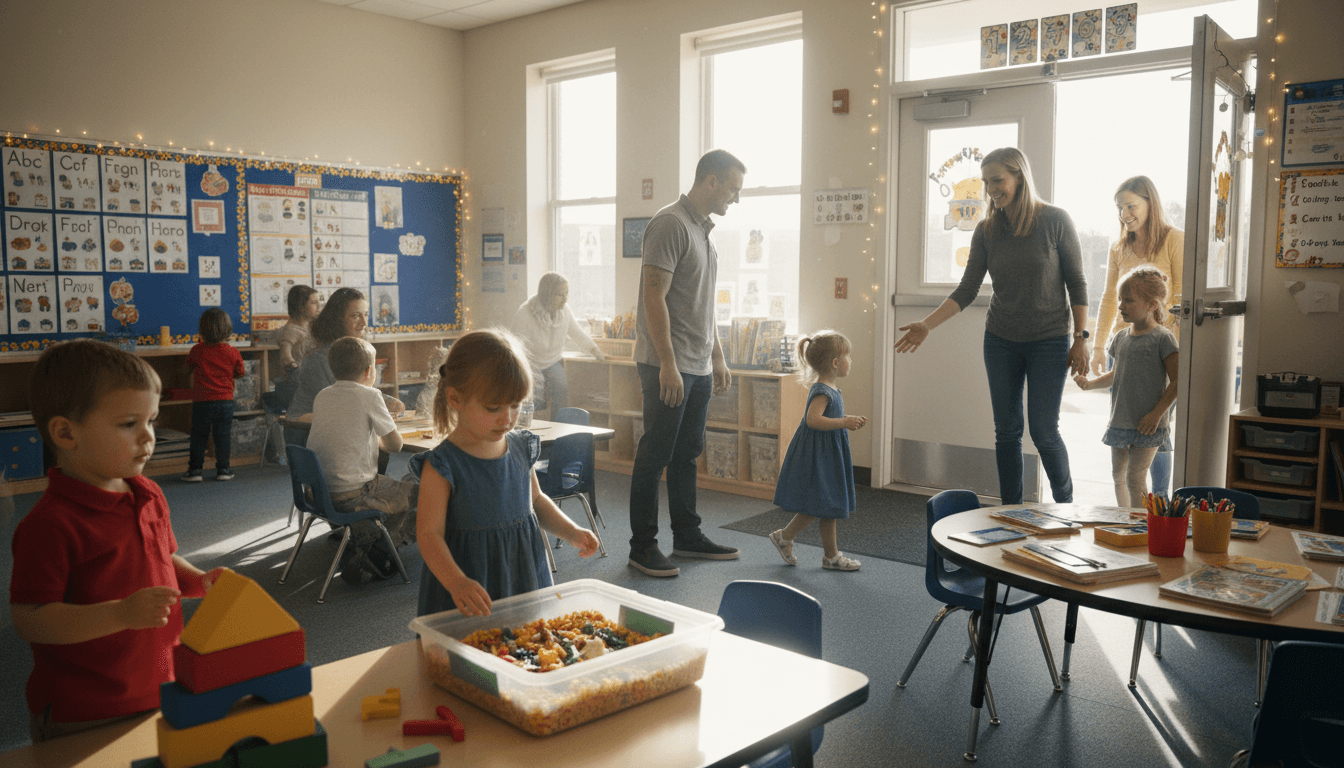
Snack time in kindergarten is a daily community moment. The newsletter that sets up the program prevents the two most common problems: families showing up with allergenic foods and families who never quite understood the rotation. Getting this right early in the year saves the teacher significant daily friction.
The snack sharing newsletter
Subject line: Snack time in kindergarten: what to know, what to send, and our class allergen policy
Opening: Snack time is a daily routine in our classroom. Here is everything families need to know about how our snack program works, what is approved, and how to keep every child safe.
How our snack program works
Describe the specific structure for your classroom. Whether students bring their own daily snack, families rotate providing a class snack, or both. Be specific about when snack happens, how long it lasts, and what the routine looks like. "Snack time is at [time] each day. Students eat at their tables. Snack time takes about 10 minutes. We use this time to practice social conversation and table manners."
Allergen safety policy
State the policy clearly and explain the reason. "Our classroom is nut-free. This includes peanuts, tree nuts, and products that contain or may contain nuts. Please read ingredient labels before sending snack. If you are not sure whether something is safe, email me before sending it."
Address any other relevant allergen restrictions for your class without identifying individual students. "We also ask that all snacks be free from [specific allergen] this year." Do not name which student has the allergy.
Approved snack list
Provide a specific list rather than general categories:
- Fresh fruit (please cut grapes in half for safety)
- Apple slices, banana, orange segments
- Plain crackers (Goldfish, Ritz, animal crackers)
- Pretzels
- Individually packaged cheese
- Raisins or dried fruit
- Plain popcorn (nut-free facility)
"Please avoid: candy, chocolate, anything with nuts, chips with strong flavors, and items requiring refrigeration or heating."
Class snack rotation (if applicable)
Include the rotation schedule and any reminders about package size. "Each family will provide a class snack approximately once per [month/quarter]. I will send a reminder the day before your week. Please bring enough for [class size] students."
If your child has a dietary restriction
"If your child has a food allergy, religious dietary restriction, or other food-related need, please email me privately so we can make a plan. Every child should be able to participate safely in snack time." Close with reassurance that no child will miss snack: "We always have a backup supply in the classroom."
Get one newsletter idea every week.
Free. For teachers. No spam.
Frequently asked questions
What should a kindergarten snack sharing newsletter cover?
The classroom snack policy (whether students bring their own snack daily, whether families contribute to a shared snack on a rotation, or both), allergen information and safety procedures for the class, approved and restricted food lists, how to handle special dietary needs, and the snack contribution schedule if families take turns providing for the whole class.
How do you communicate allergen information without identifying which student has which allergy?
Write the policy in terms of what the class does and does not allow, without attributing restrictions to specific children. 'Our classroom is nut-free' states the policy. 'One of our students has a severe peanut allergy' names a child's condition in a communication that goes to all families. The first approach maintains privacy while still clearly communicating the rule.
How do you handle the range of food backgrounds, dietary restrictions, and economic situations in a class snack program?
By making the approved snack list broad enough to include inexpensive and culturally varied options, by never shaming families who cannot contribute to a group snack, and by having a small reserve of approved snacks available in the classroom for students who forget. The newsletter should explicitly say that no child will go without snack, regardless of whether they remembered to bring one.
What foods work well for a kindergarten class snack?
Individually packaged or easy-to-serve foods that do not require refrigeration or preparation. Fresh fruit (grapes halved for safety, apple slices, banana), crackers, pretzels, small cheese portions in individual packaging, raisins, and similar options. The newsletter should include a specific approved list rather than a general description so families do not need to guess.
How does Daystage help with kindergarten snack communication?
Daystage lets teachers publish the snack schedule and approved list in a newsletter and send automated reminders to each family before their contribution day. For a rotating class snack program, reminders sent the day before prevent the most common problem: families who forgot it was their week and scramble at 7 AM. The platform's multilingual support ensures every family receives snack guidelines in a language they can read.

Adi Ackerman
Author
Adi Ackerman is a former classroom teacher and curriculum writer with 8 years in K-8 schools. She writes about school communication, parent engagement, and what actually works in real classrooms.
More for Kindergarten Transition
Kindergarten Separation Anxiety Newsletter: What to Tell Families Before the Hard Drop-Offs Begin
Kindergarten Transition · 5 min read
Kindergarten Academic Expectations Newsletter: What Families Need to Know About What Their Child Will Learn
Kindergarten Transition · 5 min read
Kindergarten Family Resources Newsletter Guide
Kindergarten Transition · 5 min read
Ready to send your first newsletter?
3 newsletters free. No credit card. First one ready in under 5 minutes.
Get started free