
Kindergarten Parent Volunteer Newsletter: How to Recruit Classroom Helpers and Keep Them Coming Back
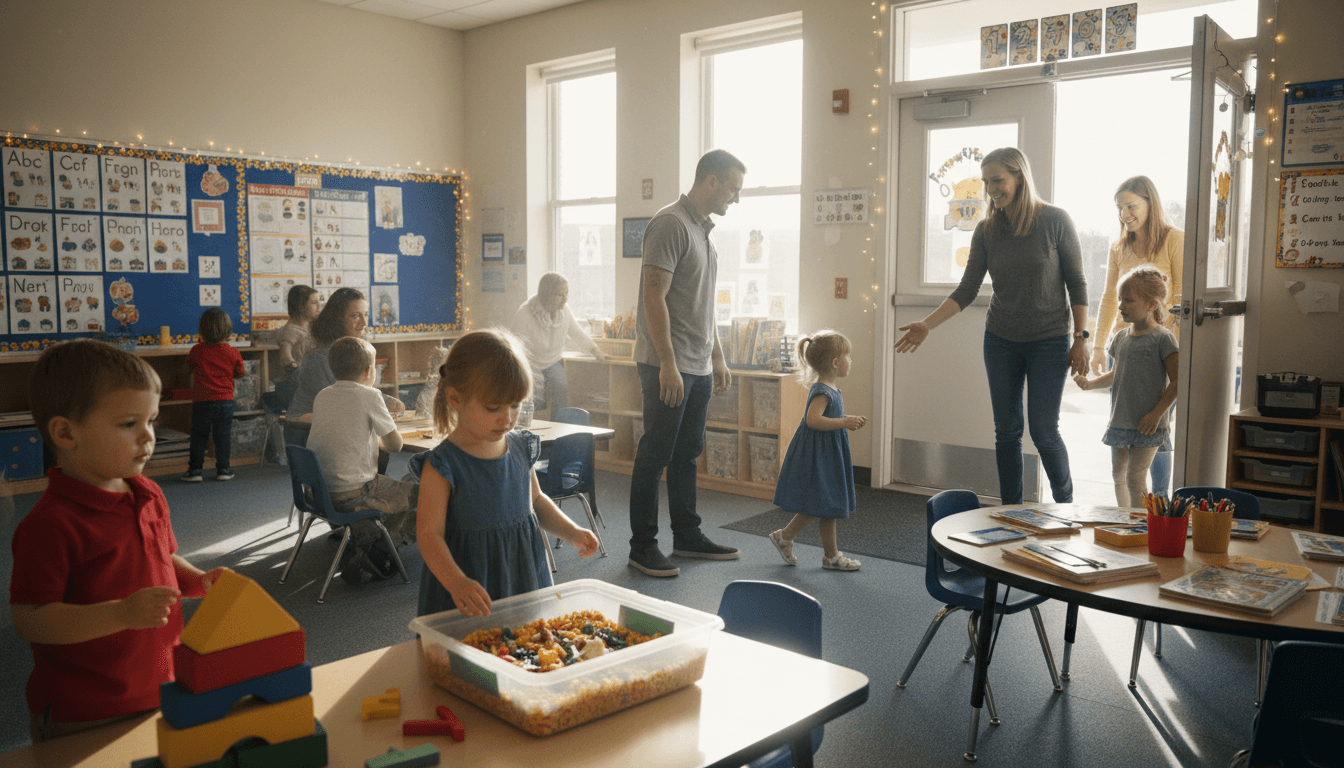
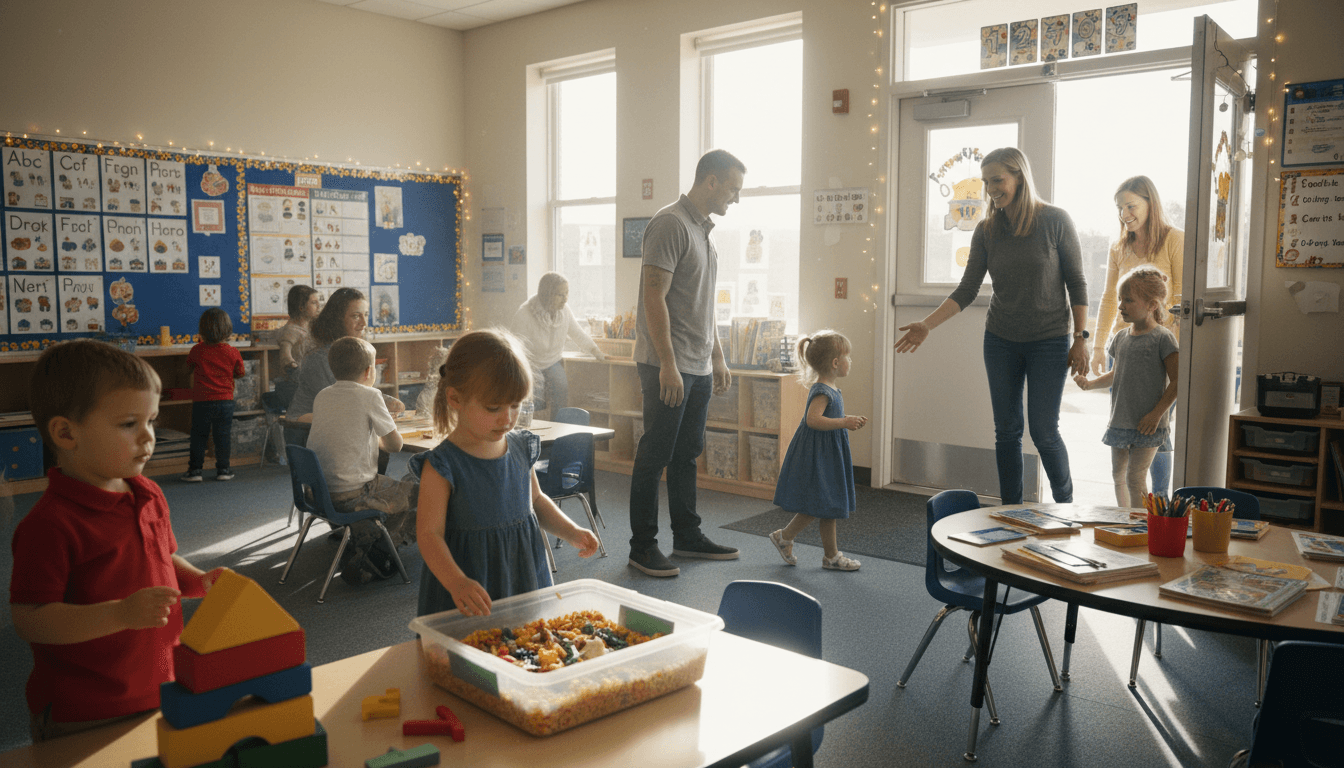
Kindergarten classrooms benefit enormously from parent volunteers. An extra adult in the room during reading centers, art projects, or writing workshop changes what is possible for every child. Getting the right volunteers in the right roles requires a clear, specific communication that makes volunteering feel accessible and worthwhile.
Roles that actually help
The most effective classroom volunteer roles for kindergarten are simple, specific, and do not require the volunteer to make instructional decisions. Reading one-on-one with a child from a pre-selected book, listening to a child read, supporting a center activity by helping children access materials, or managing supplies during a project are all genuinely helpful and completely manageable for a parent with no teaching background.
Avoid assigning volunteers to roles that require instructional judgment without explicit guidance. An uncertain volunteer who is not sure what to do with a child who says something unexpected can inadvertently create more work for the teacher than they save.
Time commitments that are realistic
State the time commitment honestly. A weekly 45-minute slot during reading center time is a genuine one-hour commitment when you add parking and travel. A monthly event commitment is different from a weekly one. Families who commit to something they cannot sustain become unreliable volunteers. Families who are asked for something realistic become dependable ones.
Volunteer orientation and norms
Include a brief description of what volunteers should expect: a quick orientation from the teacher before their first session, the classroom language and norms they should use with children, and the channels for communicating questions or schedule changes. A volunteer who arrives knowing what to expect is confident and effective from the first session.
Include a brief note about adult behavior in the classroom. Phones away during instructional time. Adult conversations at a minimum. Positive language with children at all times. These expectations stated clearly in the newsletter prevent the need for an awkward in-person correction later.
Recognizing volunteers
Name specific volunteers in the monthly newsletter after they have contributed. A brief thank-you that mentions the role and what it made possible is the kind of recognition that brings volunteers back and encourages others to sign up. Volunteers who feel genuinely appreciated for a specific contribution return more reliably than those who receive a generic end-of-year thank-you.
Options for families who cannot come to school
Include at-home volunteer options for families who cannot be in the classroom. Preparing materials, cutting, laminating if equipment is available, organizing donated items, or supporting fundraisers are all contributions that serve the classroom without requiring physical presence. Naming these options makes volunteering accessible to more families and signals that the teacher values all forms of support.
Get one newsletter idea every week.
Free. For teachers. No spam.
Frequently asked questions
How should a kindergarten teacher recruit volunteers through a newsletter?
Be specific about the roles, time commitments, and what skills or knowledge are required or helpful. A parent who can picture themselves doing a specific task is far more likely to sign up than one who receives a vague call for helpers. Include a direct sign-up link or form with the specific slots available.
What volunteer roles work well in a kindergarten classroom?
Reading with small groups, supporting center activities by helping children navigate materials, accompanying field trips, preparing materials outside the classroom, and special project support are all roles that add value without requiring teaching credentials. Keep volunteers in supporting roles rather than instructional ones unless they have relevant training.
How do you manage volunteers who do not follow classroom norms?
Address expectations in the volunteer newsletter before issues arise. Include a brief section on classroom volunteer norms: follow the teacher's lead, use positive language with children, avoid engaging in adult conversations during instructional time, and hold questions for the teacher until children are occupied. Prevention is easier than correction.
How do you handle volunteers whose child is in a different classroom?
If the school allows cross-classroom volunteering, a brief note about the policy is appropriate. If volunteers are only permitted in their own child's classroom, state that clearly. Ambiguity about cross-classroom volunteering creates awkward situations when a parent shows up in the wrong room.
How does Daystage support kindergarten volunteer communication?
Daystage handles inline email for classroom teachers. Teachers use it to send volunteer recruitment newsletters with sign-up links and to send thank-you and scheduling follow-ups to confirmed volunteers.

Adi Ackerman
Author
Adi Ackerman is a former classroom teacher and curriculum writer with 8 years in K-8 schools. She writes about school communication, parent engagement, and what actually works in real classrooms.
More for Kindergarten Transition
Kindergarten Play-Based Learning Newsletter: How to Help Families Understand Why Play Is the Work
Kindergarten Transition · 6 min read
Kindergarten Special Education Referral Newsletter: How to Communicate Concerns Early and With Care
Kindergarten Transition · 6 min read
Kindergarten Back to School Night Newsletter Guide
Kindergarten Transition · 5 min read
Ready to send your first newsletter?
3 newsletters free. No credit card. First one ready in under 5 minutes.
Get started free