
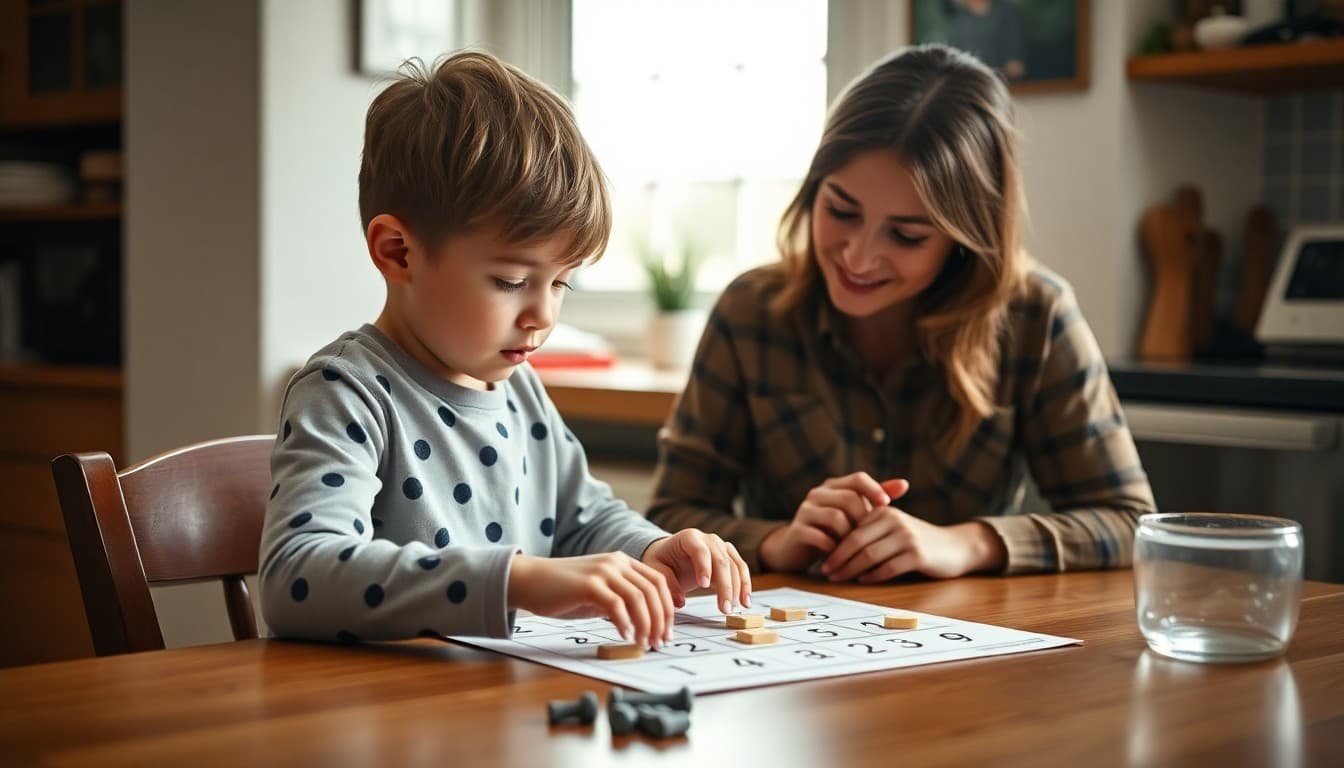
Kindergarten Math Skills Newsletter: Counting and Number Sense
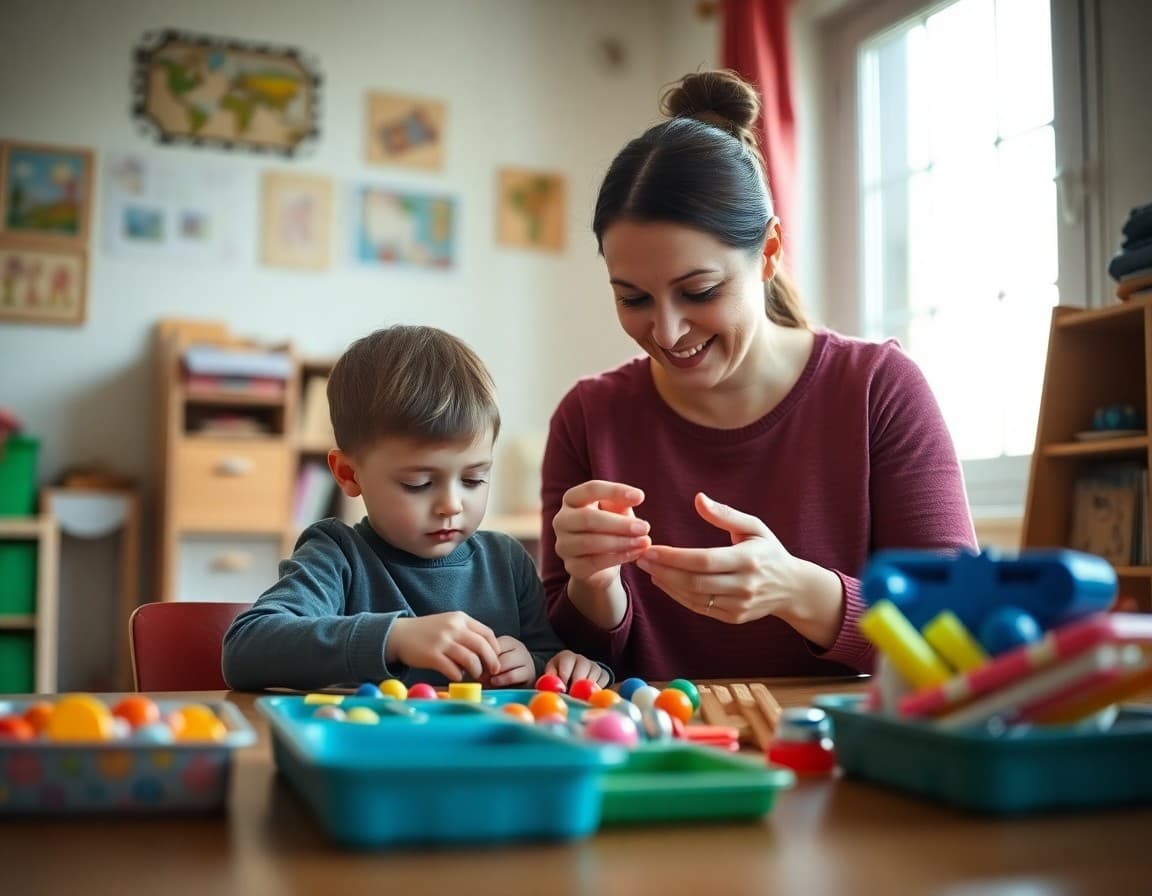
Number sense in kindergarten is the foundation on which all later math understanding is built. A child who genuinely understands what numbers mean, not just what they look like on paper, has a significant advantage in every math unit from first grade through algebra. The home math newsletter helps families build that understanding through daily routines, games, and conversations that take no extra time and no special materials.
Start With What Kindergartners Are Actually Learning in Math
Families often assume kindergarten math is about learning to write numbers and memorizing addition facts. It is more foundational than that. The focus of kindergarten math is on number sense: understanding that numbers represent quantities, that those quantities can be compared and combined, and that quantities can be broken into parts in different ways. This conceptual foundation prevents the procedural fragility that comes from memorizing procedures without understanding them.
A brief description of your current math unit or focus area helps families connect home activities to classroom learning. "We are working on counting objects with one-to-one correspondence up to 20, meaning we touch each object once as we count it. This sounds simple, but many children skip objects or count one object twice. Practicing this at home makes a real difference."
Counting in Daily Life: Embed It Everywhere
Counting is not a classroom activity. It is a life activity that can happen dozens of times per day with almost no extra effort. In your newsletter, give families 5-7 specific daily counting contexts: count the steps from the car to the front door, count how many plates to set for dinner, count the items in the grocery cart before checkout, count how many red cars pass during a car ride, count how many bites are left on the plate.
Each of these takes under 30 seconds and reinforces counting with a real quantity and a real purpose. Children who count real objects daily develop one-to-one correspondence (touching each object once), cardinality (the last number you say is how many there are), and counting-on skills much faster than those who only practice counting on worksheets.
Subitizing: The Skill Families Have Not Heard Of
Subitizing is the ability to instantly recognize how many objects are in a small set without counting. When you see three dots on a die, you do not count them. You see "three." This skill is a building block for addition and mental math and develops through exposure to visual patterns. Dice games, dominoes, and ten frames all build subitizing.
Recommend families keep a pair of dice available and play simple roll-and-identify games at home: roll the die, say how many without counting, check by counting. Move to two dice and add the totals. This builds subitizing, addition, and engagement simultaneously in under five minutes per day.
Comparison Language: More, Fewer, and Equal
Before kindergartners can add and subtract meaningfully, they need to understand quantity comparison: which group has more, which has fewer, and when two groups are equal. This language develops through conversation, not instruction. Families can embed comparison language naturally: "You have more crackers than I do. Let's make them equal. How many should you give me?"
Include in your newsletter a note about the specific vocabulary the class is using: "more than, fewer than, equal to, the same as." Using the same language at home reinforces the precision of mathematical vocabulary without any formal instruction.
Math Games That Do Not Feel Like School
Board games with dice, card games like War (comparing numbers), dominoes, and simple sorting games are all math practice tools that children engage with voluntarily. In your newsletter, name 3-4 specific games that build kindergarten math skills. Chutes and Ladders reinforces number recognition and counting-on. War reinforces number comparison. Dominoes reinforces subitizing and addition. Connecting blocks and simple shape puzzles reinforce spatial reasoning and geometry.
For families who cannot access commercial games, offer a home-made alternative. A deck of index cards with numbers 1-10 written on them, two players, and a simple "whose card is bigger?" game is free to make and builds number comparison as effectively as any store-bought game.
Shapes in the World Around Your Child
Geometry in kindergarten goes beyond naming shapes. It includes identifying shapes in the environment, describing shapes by their properties (how many sides, how many corners), and combining shapes to make new ones. Families can reinforce this on any walk, drive, or trip to the grocery store. "Do you see any rectangles? What about a circle? How many corners does that sign have?"
A shape hunt is an easy, engaging activity that builds geometric vocabulary and spatial awareness without any materials at all. Suggest a specific hunt: find five shapes in the living room, photograph them, and bring the list to school. The bridge between home activity and classroom follow-up makes both experiences more meaningful.
Get one newsletter idea every week.
Free. For teachers. No spam.
Frequently asked questions
What math skills should kindergartners have by end of year?
End-of-year kindergarten math benchmarks typically include: counting to 100 by ones and tens, counting objects in a set up to 20 with one-to-one correspondence, reading and writing numerals 0-20, comparing groups to determine more, less, or equal, understanding addition and subtraction as combining and separating, and identifying basic two and three-dimensional shapes. Specific benchmarks vary by state and curriculum, but these core skills are nearly universal.
What is number sense and why does it matter in kindergarten?
Number sense is an intuitive understanding of numbers and their relationships, including how numbers can be composed and decomposed, which is larger or smaller, and how quantities relate to each other. A child with strong number sense knows that 7 is 5 and 2, or that 10 is one more than 9, without needing to count from one every time. Number sense in kindergarten predicts math success through middle school better than any individual math skill.
What are the best ways for families to practice math at home?
The most effective home math practice is embedded in daily life rather than worksheets. Counting steps, sorting laundry, setting the table (how many plates for six people?), comparing containers by capacity, and estimating quantities all build number sense through real context. Games like board games with dice, card games that involve counting, and puzzles with spatial reasoning are excellent math tools that children engage with voluntarily.
Should kindergartners be doing math worksheets at home?
Worksheets are a low-engagement format for kindergartners and rarely build conceptual understanding the way hands-on activities do. If the school sends worksheets for homework, complete them, but do not supplement with more. If you want to support math at home, prioritize physical manipulation of real objects, math-oriented games, and everyday math conversations. A child who can count 7 crackers into two groups at snack time is building the same skill a worksheet addresses, with much greater retention.
Can Daystage help send a kindergarten math newsletter to families?
Yes. Daystage lets teachers send a math skills newsletter with specific home activity suggestions aligned to current classroom instruction. Including photos of the manipulatives or activities the class is using gives families context for what their child is learning and ideas for how to support it at home with common household materials.

Adi Ackerman
Author
Adi Ackerman is a former classroom teacher and curriculum writer with 8 years in K-8 schools. She writes about school communication, parent engagement, and what actually works in real classrooms.
More for Kindergarten Transition
Ready to send your first newsletter?
3 newsletters free. No credit card. First one ready in under 5 minutes.
Get started free