
Kindergarten Lunch Program Newsletter: What to Expect
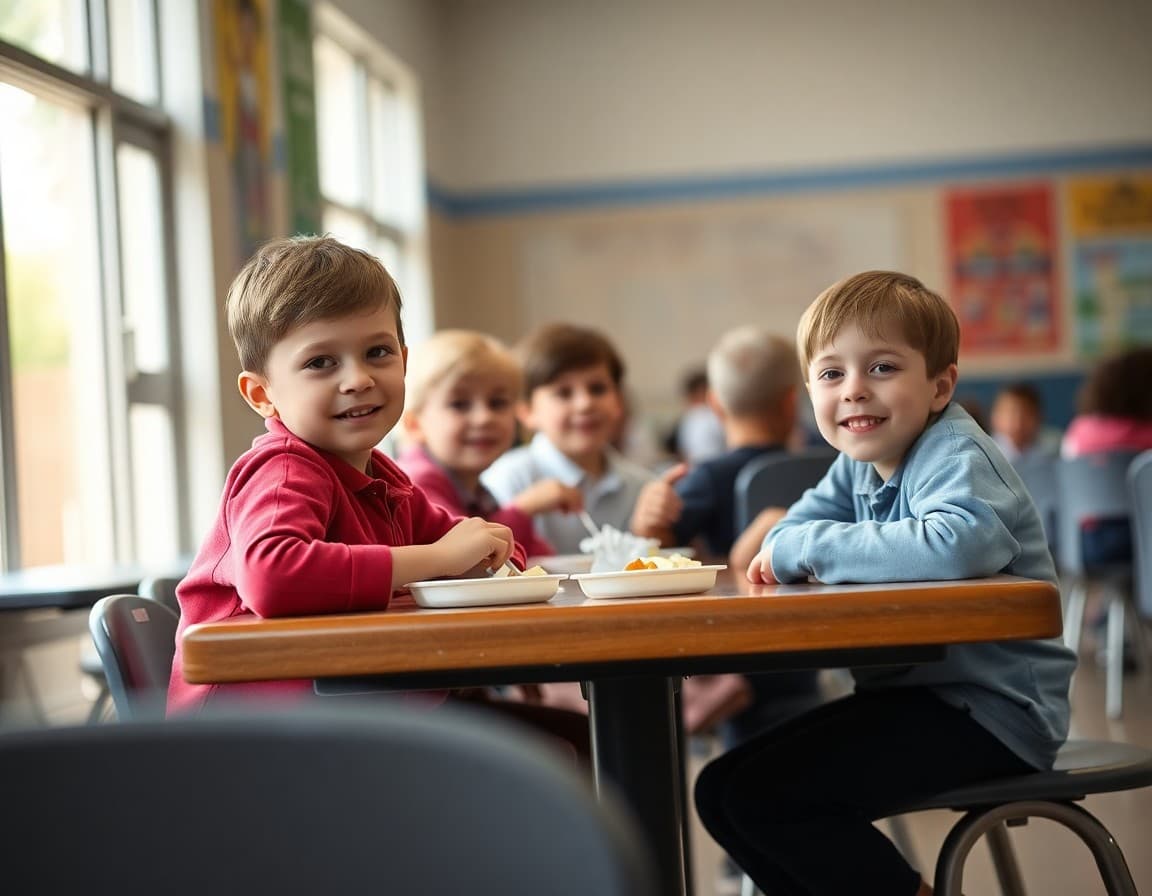
The school cafeteria is one of the most complex environments a kindergartner navigates independently all day. For a child who has never eaten lunch away from home, the combination of new food, noise, unfamiliar seating, and time pressure can be overwhelming without preparation. A clear lunch program newsletter from the school gives families specific information to practice at home before school starts.
Describe the Cafeteria Routine Step by Step
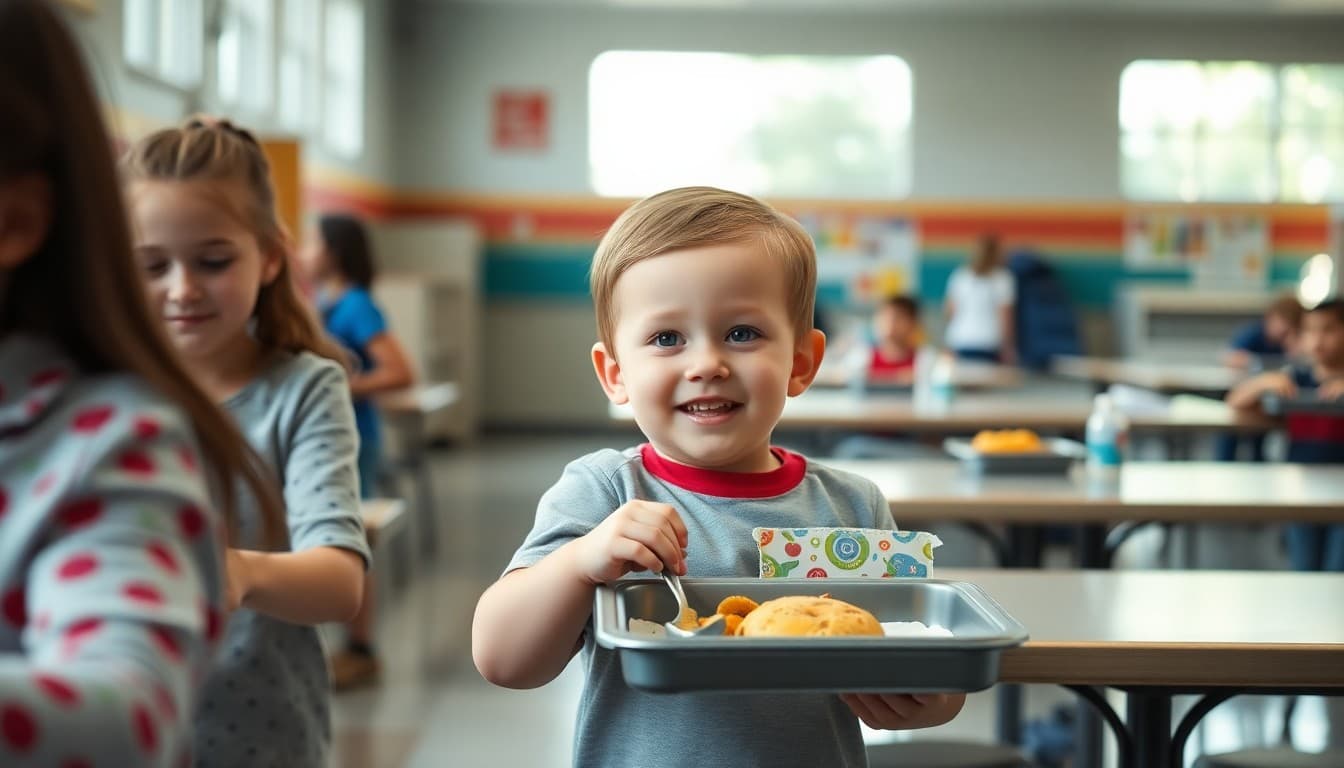
Families cannot prepare their children for something they cannot picture. Walk through the cafeteria routine in your newsletter from the moment the class enters the lunch space: where children line up, whether they carry a tray or go to assigned seats first, how the hot lunch ordering or selection works, where to sit, what to do when they finish, and how to return trays or dispose of trash.
Include this detail because kindergartners who do not know the routine often freeze and end up spending half their lunch period watching other children figure out what they are doing. Even a brief mental walkthrough at home reduces first-cafeteria-day anxiety significantly.
Explain the Hot Lunch vs. Packed Lunch Decision
Some schools provide hot lunch daily; others require families to pack. Many allow both with an online selection system. Your newsletter should clarify which system your school uses, how families register for or opt into hot lunch, where the menu is posted, and whether children can alternate between hot and packed lunch daily or whether they need to commit to a pattern.
For schools with hot lunch programs, include the link to the online menu and meal account setup portal. Include the price per lunch, whether free or reduced lunch is available and how to apply, and what happens on the account if a child stays home sick.
Help Families Pack Effectively for Kindergarten
A well-packed kindergarten lunch saves a child significant frustration at the table. Include a specific packing checklist in your newsletter. Key principles: everything should be openable with small hands, nothing should require cutting or strong grip to open, portions should be sized so the child can finish in 20-25 minutes, and the food should be items the child actually eats without prompting.
Common packing problems to warn families about: yogurt pouches with tight caps, thermoses with stuck lids, grapes that need to be cut, hard-boiled eggs without shells removed, sandwiches in wrappers that are hard to unwrap, and juice boxes with straws the child cannot pierce. Recommending families do a "practice lunch" at home with the child opening all the containers themselves is worth including as a concrete action.
Describe Allergy and Dietary Restriction Procedures
For families with children who have food allergies, the cafeteria transition is particularly high-stakes. Your newsletter should explain: how to communicate an allergy to the school, what documentation is required (typically a physician's note), where the child will sit (many schools have peanut-free tables or allergy-aware sections), who supervises the cafeteria and what their training is, and what the emergency procedure is for an allergic reaction.
Name the specific staff members families should contact: the school nurse, the cafeteria manager, and the classroom teacher. Providing a clear communication path for allergy concerns reduces anxiety for families and ensures every relevant adult knows the child's needs before the first lunch period.
Explain the Lunch Account System
Walking a family through the meal account setup in your newsletter prevents the situation where a child's account is empty on the first day. Include: the name of the platform or system your school uses, how to create an account, how to deposit money (online, by check, or cash), what the minimum deposit is, how to set up auto-replenishment, and how families receive low-balance alerts. Include the direct link to the account setup page.
For families who qualify for free or reduced lunch, include information about the application process, the deadline for applications, and what happens in the interim while an application is being reviewed. Some families do not apply for programs they are eligible for because they do not know the application exists. Your newsletter is a natural vehicle for that information.
Set Expectations About What Comes Home Uneaten
Be honest with families: most kindergartners eat less at school than at home during the first few weeks. The cafeteria is stimulating, the time is short, and some children are too distracted to eat much. Encourage families to pack a somewhat substantial afternoon snack and to keep after-school food available. If a child is consistently returning home with most of their lunch uneaten, that is worth a conversation about what they are eating versus what they are not, but is not immediately a cause for alarm.
Get one newsletter idea every week.
Free. For teachers. No spam.
Frequently asked questions
What should a kindergartner's packed lunch include?
A kindergarten lunch should be easy to open independently. Avoid packaging that requires scissors or strong grip. A good packed lunch includes a protein (cheese stick, hard boiled egg, lunch meat, peanut butter if allowed), a carbohydrate (crackers, bread, pasta), a fruit or vegetable they actually eat, and a drink. Avoid items that require utensils if the child is not yet confident using them. Practice opening containers at home before the first day.
How do school lunch accounts work?
Most school districts use a prepaid account system. Families deposit money online or by check, and children use a PIN or ID card to access their lunch account in the cafeteria. Accounts can be set up to automatically replenish when the balance falls below a threshold. Ask your school how to set up the account before the first day and whether the system sends low-balance alerts. Students who run out of account funds typically receive an alternate meal but the embarrassment can be significant for young children.
What are the procedures for food allergies in the school cafeteria?
Every school should have a documented procedure for managing food allergies in the cafeteria. This typically includes a designated allergy-aware seating area, staff training on recognizing allergic reactions, an accessible epinephrine auto-injector for students with severe allergies, and communication with the cafeteria staff about which students have which allergies. Families should communicate allergies to both the classroom teacher and the school nurse before the first day.
How much time do kindergartners have for lunch?
Most elementary lunch periods are 20-30 minutes. This sounds like enough but often is not for a kindergartner navigating the cafeteria for the first time. Recommend families pack foods that are quick to eat and do not require much preparation. Soups in thermoses, foods with complicated packaging, and items that require slicing or peeling are not efficient for a 20-minute lunch period. Pack foods the child eats confidently and quickly.
Can Daystage help send a lunch program newsletter to kindergarten families?
Yes. Daystage makes it easy to send a practical, well-organized lunch program newsletter with links to the school's online payment portal, a sample packed lunch checklist, and allergy procedure information. You can schedule it to go out before the first week starts so families have time to set up accounts and practice lunch routines at home.

Adi Ackerman
Author
Adi Ackerman is a former classroom teacher and curriculum writer with 8 years in K-8 schools. She writes about school communication, parent engagement, and what actually works in real classrooms.
More for Kindergarten Transition
Ready to send your first newsletter?
3 newsletters free. No credit card. First one ready in under 5 minutes.
Get started free