
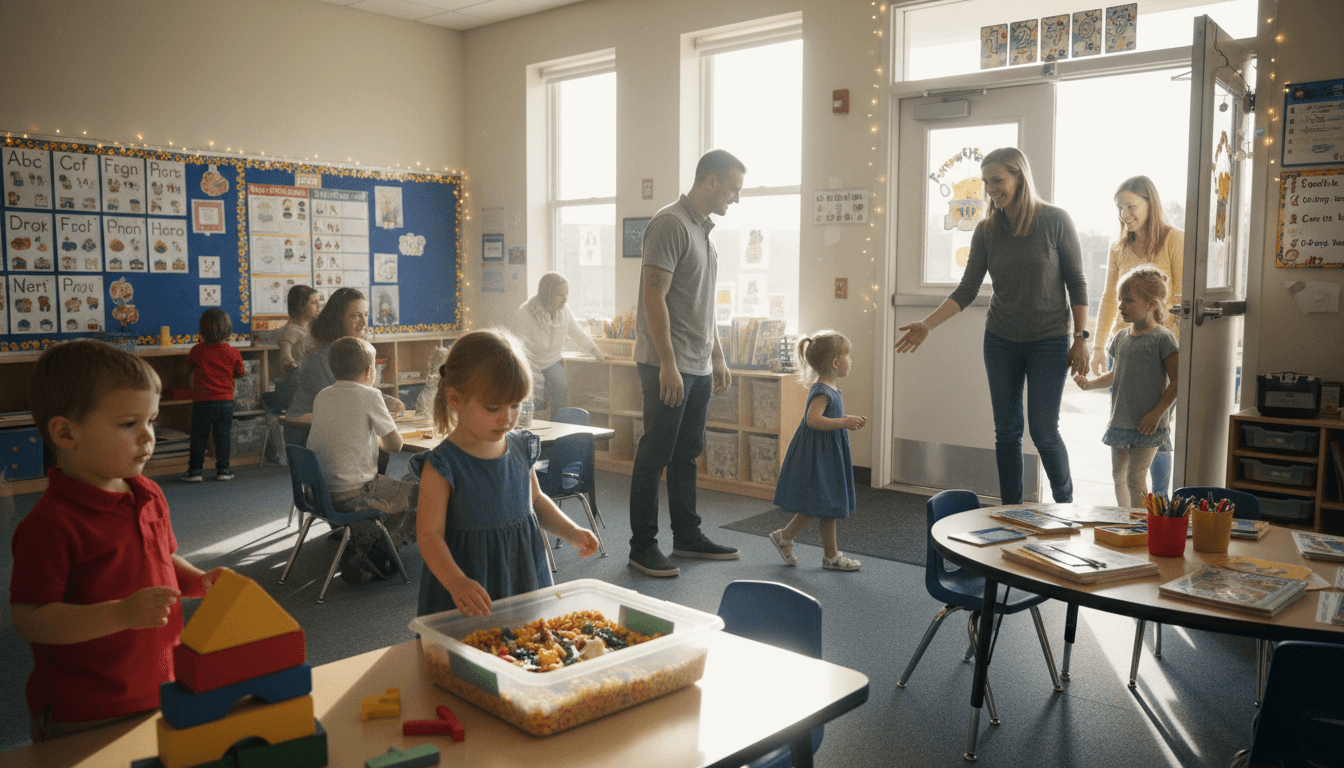
Kindergarten Communication Tips Newsletter for Families
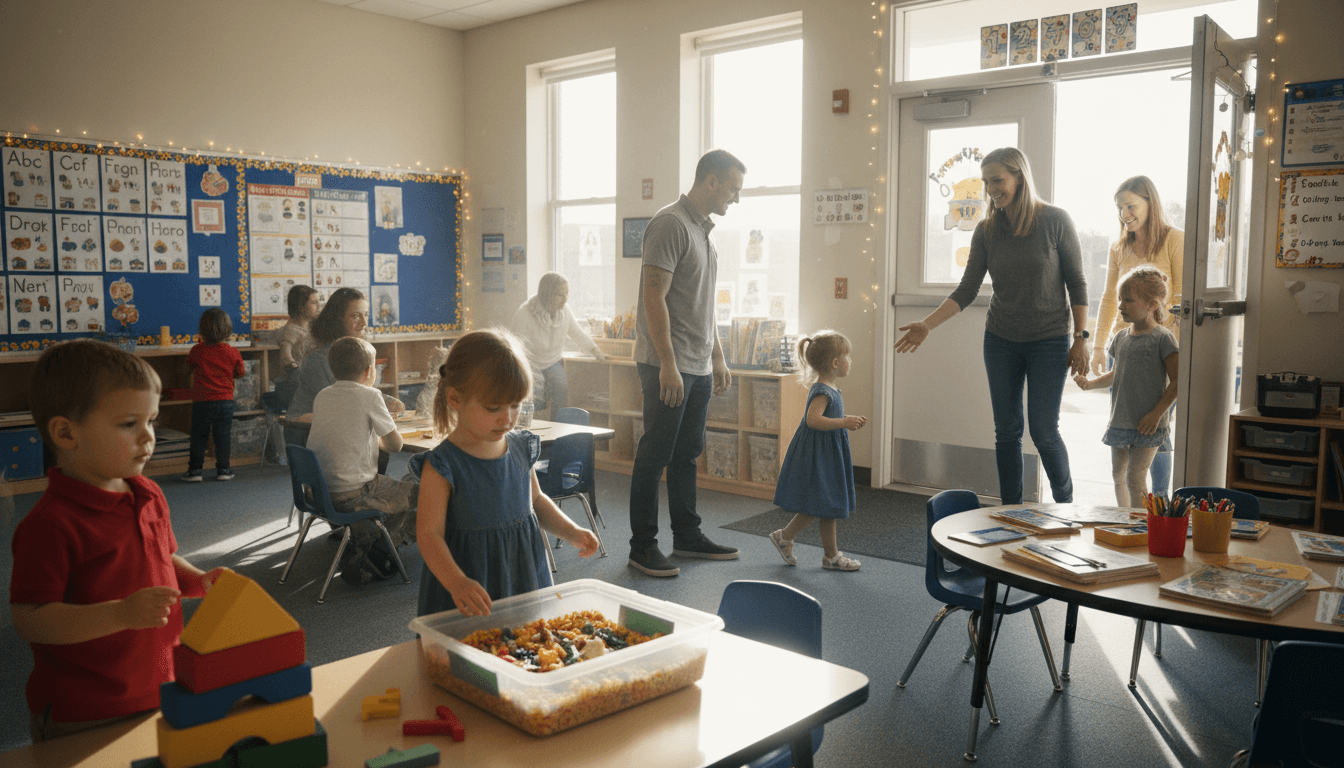
Kindergarten families want to stay close to their child's school experience. Teachers want families connected and informed. The gap between those two things is usually about process: families do not know how to reach out, and teachers have not yet set clear expectations. A communication newsletter closes that gap at the start of the year.
The communication tips newsletter
Subject line: How to reach me and what to expect: our classroom communication guide
Opening: I want to make it easy for you to stay connected to what is happening in our classroom. Here is how communication works in our class, which channel to use for what, and what to expect when you reach out.
How to reach me
List every channel families can use, with a use case for each:
- Email ([address]): For routine questions, updates, or anything that does not need a same-day response. I check email between 4 and 5 PM on school days and will respond within one school day.
- School office ([phone]): For urgent matters or same-day needs. The office staff will reach me or leave a message.
- [Platform name]: For daily updates, photos, and class announcements. I post here several times a week.
- Take-home folder: For written notes. Check your child's folder every evening and return any papers that need to come back to school.
What to contact me about
Give families examples of situations where they should reach out. Changes in pickup arrangements (notify the office AND email me). Illness or absence. Anything happening at home that might affect your child's day at school. Questions about classwork or progress. Any concern about your child's social or emotional wellbeing.
"There is no such thing as a question too small. If something is on your mind about your child's experience in kindergarten, email me. I would rather hear from you than have you worry in silence."
What to expect in return
Set response time expectations and stick to them. "I respond to emails within one school day. If you do not hear back within two days, assume my response may have gone to spam and follow up with a phone call to the office." Predictability builds trust faster than speed.
Pickup and drop-off communication
Be direct about informal communication norms. "Pickup is a fast-moving time. Quick hellos are always welcome. For anything more than a quick note, please email me and we can talk properly. Children are still with us at pickup and I want to give them a good send-off before turning to adult conversations."
Get one newsletter idea every week.
Free. For teachers. No spam.
Frequently asked questions
Why does kindergarten family communication need its own dedicated newsletter?
Kindergarten families are often new to the school system and do not yet know the norms: when it is appropriate to email the teacher versus call the office, what counts as urgent versus routine, how quickly to expect a response, or what channel to use for what type of message. A communication newsletter sets those expectations explicitly so families feel confident reaching out and teachers are not overwhelmed with misdirected contact.
What channels should kindergarten teachers describe in a communication newsletter?
Email for routine questions and updates, the school office phone for urgent matters, the school's communication platform (Daystage, Class Dojo, SeeSaw, etc.) for daily updates and photos, and a paper take-home folder for written notes. Each channel should have a clear use case and an expected response time so families know what to expect after they reach out.
How do you set response time expectations without making families feel like their questions are unwelcome?
Be specific and frame it positively. 'I check and respond to email every weekday between 4 and 5 PM. If I receive your email after that window, I will respond the next school day' is clear and professional without being cold. Families who understand the system feel more secure, not less, because they know when to expect a response instead of wondering whether the teacher saw their message.
How should families communicate with the teacher in front of kindergartners at pickup?
This is worth addressing directly. Brief, positive exchanges at pickup are fine. Extended conversations about a child's academic progress, behavior, or a difficult situation should happen via email or a scheduled conference so the child is not listening. The newsletter can model this norm: 'Pickup is a quick hello and goodbye time. For anything beyond a quick note, email me and I will respond that evening.'
How does Daystage help with kindergarten family communication?
Daystage is the communication hub that makes the newsletter itself easy to send and serves as one of the channels described in it. Teachers can send regular updates, class photos, and important reminders through Daystage so families know exactly where to look for school news. The platform supports multiple languages, which is especially important for kindergarten families who may be new to both school and the country.

Adi Ackerman
Author
Adi Ackerman is a former classroom teacher and curriculum writer with 8 years in K-8 schools. She writes about school communication, parent engagement, and what actually works in real classrooms.
More for Kindergarten Transition
Kindergarten Report Card Newsletter Guide for Families
Kindergarten Transition · 5 min read
Kindergarten Supply List Newsletter: How to Tell Families What to Buy Without the Confusion
Kindergarten Transition · 5 min read
Kindergarten Developmental Readiness Newsletter: How to Communicate What Schools Look For Without Creating Panic
Kindergarten Transition · 6 min read
Ready to send your first newsletter?
3 newsletters free. No credit card. First one ready in under 5 minutes.
Get started free