
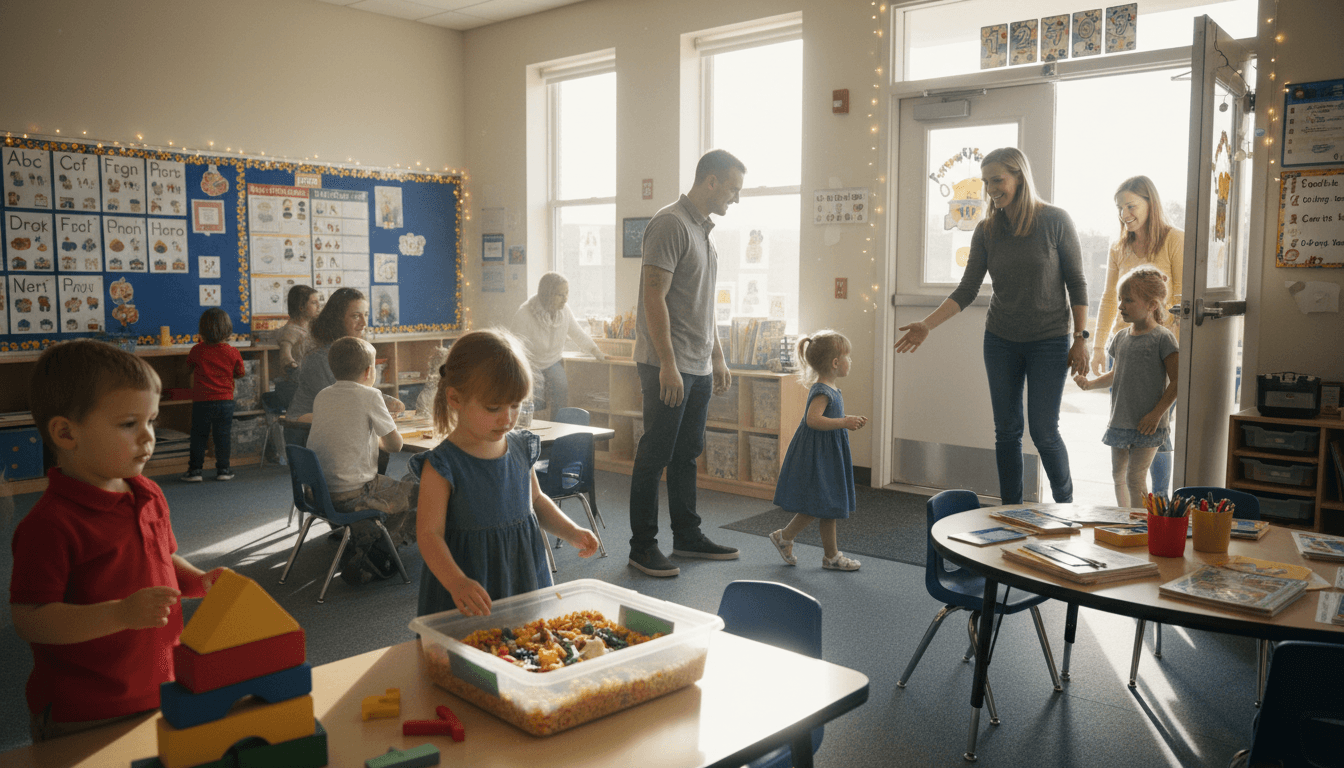
Kindergarten Classroom Rules Newsletter: How to Share Your Classroom Expectations With Families
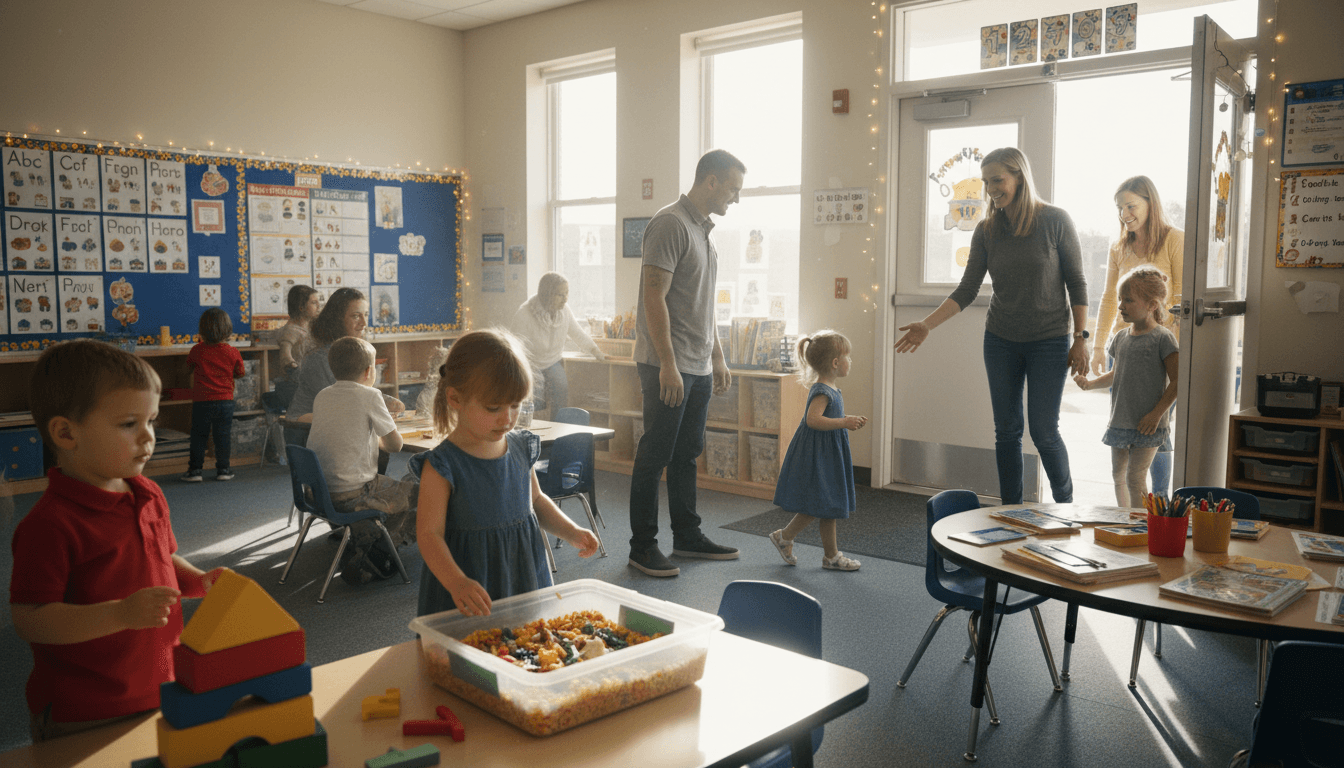
Kindergarten classroom rules are most effective when families understand them and use the same language at home. A rules newsletter that shares the specific words the classroom uses does not just inform families about expectations, it creates a consistent message between school and home that reinforces the rules for children in both environments.
Rules as community values
Frame classroom rules as community values rather than a list of prohibitions. The distinction matters for how families interpret and reinforce them. A rule stated as we take care of our materials communicates a value about the community relationship with shared objects. A rule stated as do not damage classroom supplies communicates only a prohibition.
Most kindergarten classrooms operate on three to five core rules stated positively. These rules apply to every situation rather than trying to anticipate every specific behavior. Families who understand the core values can apply them in contexts the newsletter did not explicitly cover.
The specific words the classroom uses
Include the exact language used in the classroom. If the teacher says "give me five" to signal silence, share that phrase. If the class uses "calm bodies" to describe the physical expectation during meeting time, share that phrase. Families who hear their child use classroom language at home understand what it means and can affirm it rather than being confused by it.
How rules are established collaboratively
If the classroom creates its rules with the children rather than handing them down from the teacher, mention this briefly. Children who participated in making the rules feel ownership of them and are more likely to follow them. Families who understand this process appreciate the pedagogical intentionality behind it.
How rule violations are handled
Families often worry about consequences before anything has happened. A brief, calm description of how the classroom handles rule violations reduces this preemptive worry. Most kindergarten approaches use verbal reminders, brief conversations, and short cooling-down periods rather than punitive measures. Describing the approach as supportive and corrective rather than punitive sets accurate expectations.
Family reinforcement at home
Close with a specific suggestion for how families can use the classroom language at home. When your child uses unkind words at home, you might say we use kind words in our family the same way we use them at school. This connection between environments is powerful for young children who are still learning that rules apply consistently across contexts.
Get one newsletter idea every week.
Free. For teachers. No spam.
Frequently asked questions
When should a kindergarten teacher send a classroom rules newsletter?
Send it in the first two weeks of school, after children have had a few days to experience the rules in the classroom. Rules that have been introduced to children first make more sense to families when described in a newsletter than rules described in the abstract before school starts.
How should classroom rules be framed in a kindergarten newsletter?
In positive language that describes desired behaviors rather than prohibited ones. We take care of each other is more informative and motivating than no hurting. We use gentle hands is more useful than no hitting. Positive framing gives children and families a behavioral target rather than just a list of things not to do.
How do you explain consequences for rule violations in a family newsletter?
Briefly and matter-of-factly. Describe the general approach such as verbal reminder followed by a conversation or a short cool-down period without labeling specific consequences as punishments. Families benefit from understanding the approach without needing a complete discipline policy in the newsletter.
How can families reinforce classroom rules at home?
Use the same language at home that the classroom uses. If the classroom rule is we use kind words, and a family member uses the same phrase when addressing unkind language at home, the child experiences a consistent environment. Include the exact classroom language in the newsletter so families can adopt it.
How does Daystage support kindergarten classroom communication?
Daystage is built for classroom newsletter communication. Kindergarten teachers use it to send classroom rules and community norms newsletters that feel warm and personal rather than like policy documents.

Adi Ackerman
Author
Adi Ackerman is a former classroom teacher and curriculum writer with 8 years in K-8 schools. She writes about school communication, parent engagement, and what actually works in real classrooms.
More for Kindergarten Transition
Kindergarten Health and Allergy Newsletter: How to Communicate Health Policies Families Need Before Day One
Kindergarten Transition · 5 min read
Kindergarten Play-Based Learning Newsletter: How to Help Families Understand Why Play Is the Work
Kindergarten Transition · 6 min read
Kindergarten Special Education Referral Newsletter: How to Communicate Concerns Early and With Care
Kindergarten Transition · 6 min read
Ready to send your first newsletter?
3 newsletters free. No credit card. First one ready in under 5 minutes.
Get started free