
South Carolina Homeschool Newsletter: Local Resources and Guide for Families
South Carolina's three-pathway approach to homeschool oversight gives families real options. The pathway you choose shapes your documentation requirements, but all pathways benefit from a consistent newsletter habit. The state's extraordinary geographic and cultural variety gives South Carolina families curriculum content that is genuinely irreplaceable.
South Carolina's three pathways
The local school district pathway requires the most direct state involvement and annual standardized testing. The approved association pathway provides more supportive oversight and also requires testing. The third pathway, operating under an unapproved independent association, provides the most freedom and does not require testing. Each pathway suits different family situations and philosophies.
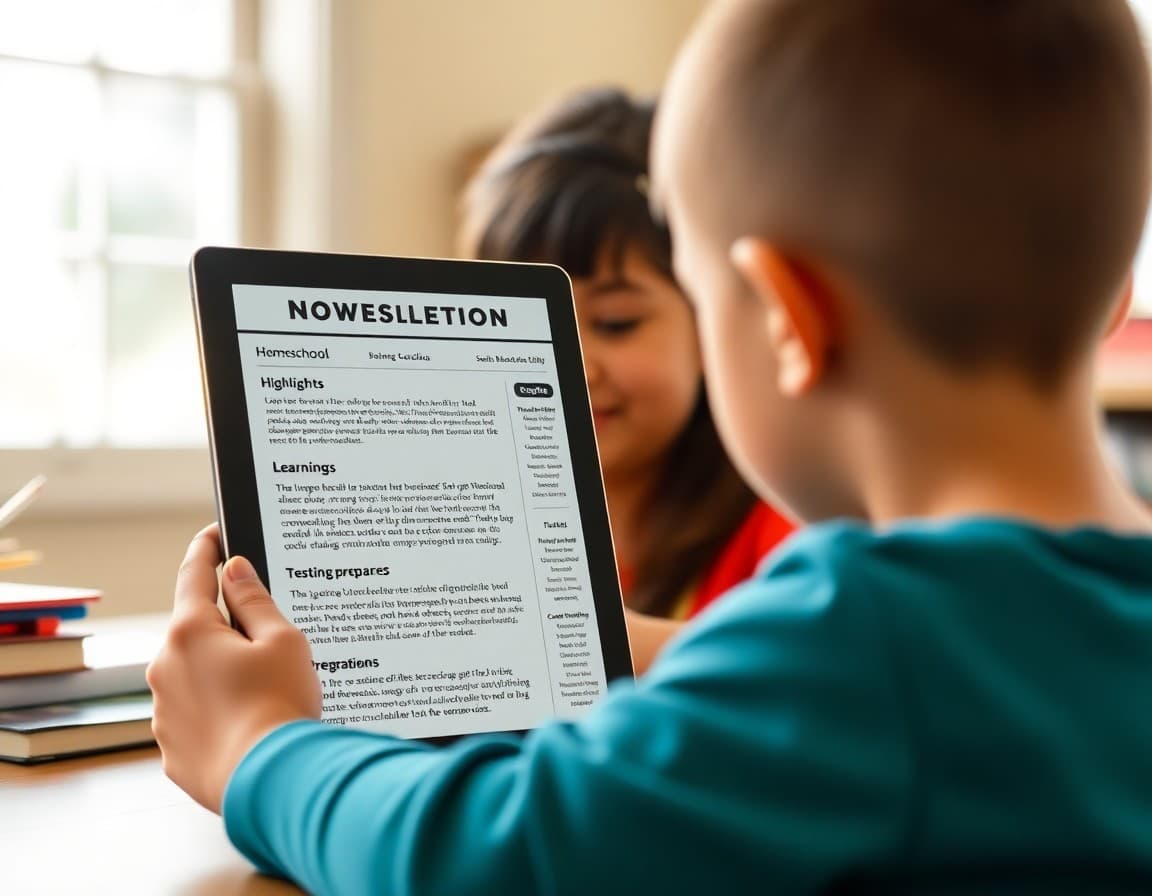
Whichever pathway you choose, documenting your instruction through a consistent newsletter creates an archive that serves both your regulatory obligations and your family's own purposes.
Gullah Geechee heritage as cultural curriculum
The Gullah Geechee cultural corridor, stretching along the Sea Islands and Lowcountry coast from North Carolina through northern Florida, is one of the most distinctive African American cultural traditions in the United States. Descended from enslaved West Africans, Gullah Geechee communities maintained language, food traditions, crafts, and spiritual practices that connect directly to their West African origins.
The Penn Center on St. Helena Island, one of the first schools for freed enslaved people in the United States, preserves this history and provides educational programming. Documenting visits to Gullah Geechee sites and connecting them to curriculum in African American history, cultural studies, and linguistics creates newsletter entries that are genuinely distinctive.
The Civil War at Fort Sumter
The Civil War began with the Confederate bombardment of Fort Sumter in Charleston Harbor in April 1861. Fort Sumter National Monument, accessible by ferry from Charleston, preserves this history. Charleston itself has one of the most significant Civil War educational landscapes in the country, including the International African American Museum that opened in 2023 on the site where enslaved people were brought ashore.
Lowcountry ecosystem and coastal science
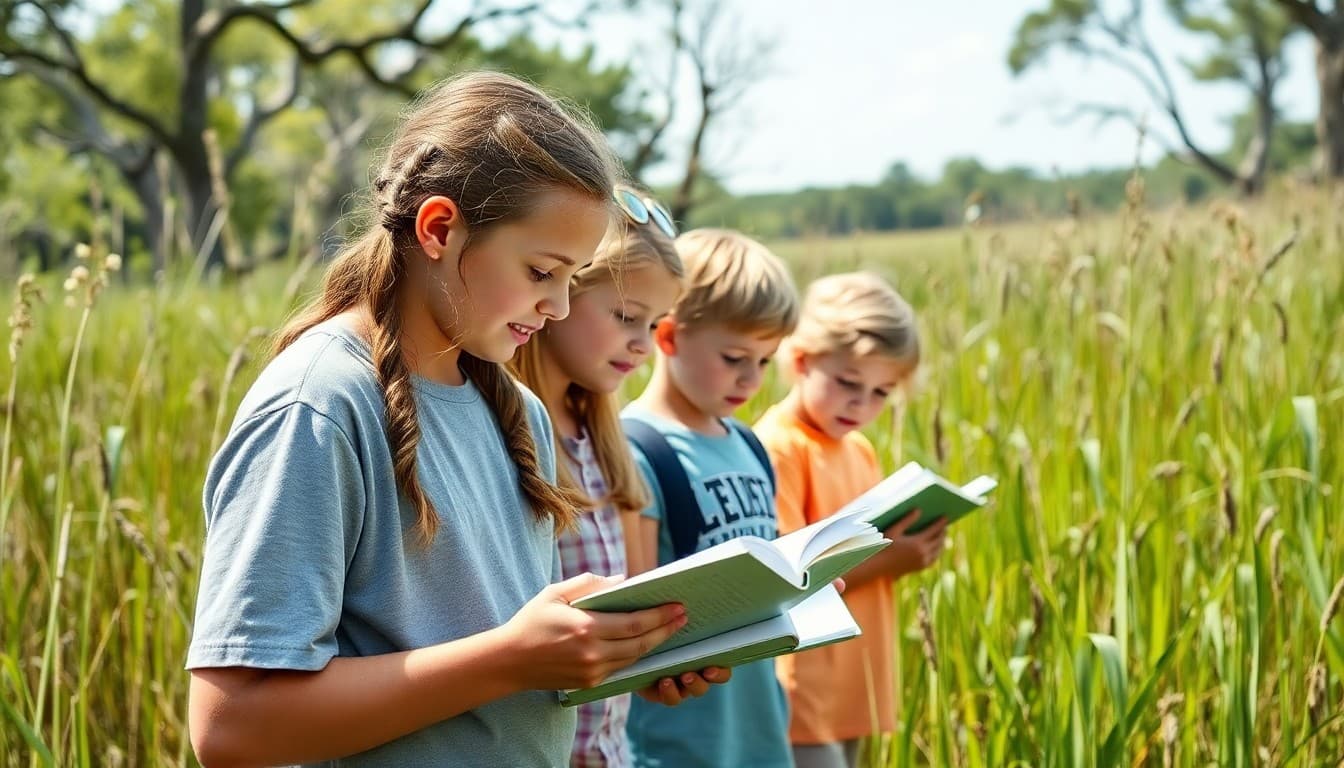
South Carolina's Lowcountry is one of the most ecologically rich regions in the Southeast. The ACE Basin, one of the largest undeveloped estuaries on the East Coast, provides extraordinary wetland ecology curriculum. Egrets, herons, alligators, diamondback terrapins, and the complex salt marsh ecosystem are all available for direct observation.
Families near the Lowcountry can build seasonal observation programs into their curriculum and document findings in their newsletter throughout the year. The specificity of observing the same marsh across seasons provides biology and ecology curriculum that no textbook can replicate.
Charleston as a historical curriculum center
Charleston is one of the most historically rich cities in America. Colonial architecture, the first theater in the Americas, the Old Exchange and Provost Dungeon, the College of Charleston's natural history collections, and the Charleston Museum (the oldest museum in the United States) all provide curriculum destinations for families near the city.
Sustaining the newsletter habit in South Carolina
South Carolina families who maintain a consistent newsletter build documentation that serves their homeschool pathway requirements and creates a record of the specific, unrepeatable education that South Carolina provides. Daystage makes the sending simple so the habit is sustainable through the full 180-day school year.
Get one newsletter idea every week.
Free. For teachers. No spam.
Frequently asked questions
What are South Carolina's homeschool requirements?
South Carolina offers three homeschool pathways: operating under the local school district, operating under an approved homeschool association, or operating under a homeschool association not connected to a school district. Each pathway has different requirements. The first two require annual standardized testing; the third does not. Minimum instructional hours of 180 days apply to all pathways.
What is the approved homeschool association pathway in South Carolina?
South Carolina approved homeschool associations serve as an alternative oversight structure. Families who operate under an approved association must follow that association's requirements, which typically include maintaining records and submitting to annual review. Many families prefer this pathway to working directly with the local school district.
Are there homeschool groups active in South Carolina?
South Carolina Home Educators Association (SCHEA) serves the state. Numerous regional co-ops and associations operate across the state. Columbia, Greenville, Charleston, and Myrtle Beach all have active homeschool communities.
What South Carolina-specific content works in homeschool newsletters?
South Carolina's Lowcountry ecosystem, the Gullah Geechee cultural heritage, the Civil War history at Fort Sumter, the colonial Charleston history, the Blue Ridge Mountain foothills in the Upstate, the history of the indigo and rice plantations, and the Penn Center's history in Reconstruction education all provide strong curriculum content.
How does Daystage help South Carolina homeschool families?
South Carolina families who need annual documentation for testing or association review benefit from a consistent newsletter archive. Daystage makes building and sending newsletters simple and professional without requiring design expertise.

Adi Ackerman
Author
Adi Ackerman is a former classroom teacher and curriculum writer with 8 years in K-8 schools. She writes about school communication, parent engagement, and what actually works in real classrooms.
More for Homeschool
Ready to send your first newsletter?
3 newsletters free. No credit card. First one ready in under 5 minutes.
Get started free