

Homeschool Community Newsletter: Connecting Families in Your Local Area
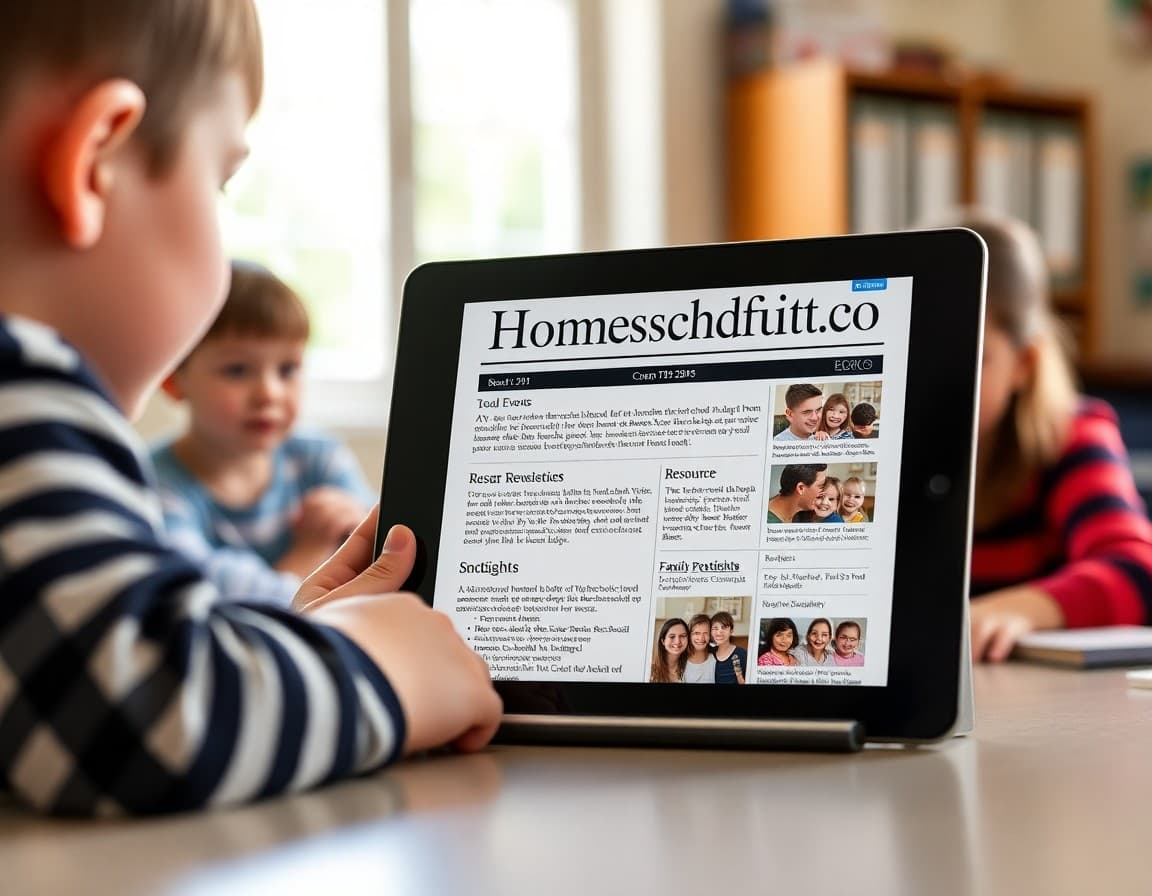
Homeschooling is more sustainable when families do not do it in isolation. A community newsletter is one of the most practical tools for building and maintaining the connections that make homeschooling a genuine community rather than a collection of isolated households. Done well, the community newsletter becomes the document that holds a local homeschool network together across years and changing membership.
What a community newsletter does that individual newsletters cannot
Individual family newsletters document a single family's education. A community newsletter documents the broader context in which that education happens: the co-ops, events, resources, and connections that make homeschooling in your area what it is. These are different documents with different purposes and both are worth producing.
A community newsletter also provides something that individual family newsletters do not: a sense that homeschooling in your area is a collective enterprise with real depth and variety. A new family looking for community sees, in the newsletter, a network that is active, organized, and welcoming.
The community calendar as the newsletter's backbone
The events calendar is typically the highest-engagement section of any community newsletter. Families scan the calendar first and read the surrounding content based on what they find there. Keep the calendar current, specific, and accurate: name, date, time, location, cost, and how to sign up or confirm attendance.
Collect calendar submissions from member families through a simple process: a shared document or email address where anyone can submit events. The coordinator verifies and publishes. The process should take the coordinator less than fifteen minutes per newsletter if submissions arrive promptly.
Family spotlights as community-building content
A brief family spotlight in each newsletter introduces the community to member families and their educational approaches. A few sentences about the family, their homeschool philosophy, and something they are currently excited about is enough. These spotlights build familiarity across a community where not everyone can attend every event.
Families who are featured in spotlights often become more engaged community members. Being seen and recognized in the community newsletter strengthens belonging.
Resource recommendations from member families
Curriculum recommendations from families who have actually used the materials are far more useful than anything a newsletter editor can write from research. A monthly "what we are using" section where one or two member families share what is working for their students creates genuine peer-to-peer value.
Keep recommendations honest. A family that shares a curriculum recommendation alongside a frank assessment of its limitations is more helpful than one that only provides promotional descriptions.
Legislative and legal updates
Homeschool families in most states benefit from staying informed about any changes to state law, local school board policies, or legislative proposals that affect homeschool families. The community newsletter is the right place to share updates from your state's homeschool legal organization or relevant news items. Keep this section brief and link to sources for families who want more detail.
Building the newsletter list and maintaining it
A community newsletter list requires ongoing maintenance. Families move, situations change, and some people subscribe once and never engage again. An annual opt-in confirmation that asks subscribers to confirm they want to continue receiving the newsletter keeps the list healthy and your engagement metrics meaningful.
Daystage makes list management simple and provides the sending infrastructure for a community newsletter that looks professional and reaches every subscriber reliably. A community newsletter sent consistently through a reliable platform builds the credibility that makes the community trust the communication.
Get one newsletter idea every week.
Free. For teachers. No spam.
Frequently asked questions
What should a homeschool community newsletter include?
A community newsletter should cover local homeschool events, resource and curriculum recommendations from member families, family spotlights, co-op opportunities, community service projects, and any relevant legal or legislative updates. The goal is to help families feel connected to each other and informed about opportunities in their area.
Who should manage a homeschool community newsletter?
Community newsletters typically work best with a dedicated coordinator who manages content collection and the sending schedule. Rotating the coordination role annually among member families distributes the work and brings different perspectives to the newsletter. A small editorial committee of two to three families is often more sustainable than a single coordinator.
How do you grow a homeschool community newsletter subscriber list?
Word of mouth within your local homeschool community is the most effective growth strategy. Sharing a sign-up link at co-op meetings, local events, and through homeschool social media groups in your area builds the list organically. Include a clear description of what the newsletter covers so new subscribers know what they are signing up for.
How often should a homeschool community newsletter be sent?
Monthly is the most common and sustainable cadence for community newsletters. A monthly newsletter gives you enough time to collect meaningful content without requiring weekly coordination work. Supplement with brief one-topic announcements for time-sensitive events if needed.
How does Daystage help homeschool community newsletters?
Daystage provides the platform for managing a community newsletter subscriber list, building a consistent template, and sending professionally formatted newsletters without design expertise. The platform handles all the technical work so the coordinator can focus on community content.

Adi Ackerman
Author
Adi Ackerman is a former classroom teacher and curriculum writer with 8 years in K-8 schools. She writes about school communication, parent engagement, and what actually works in real classrooms.
More for Homeschool
Ready to send your first newsletter?
3 newsletters free. No credit card. First one ready in under 5 minutes.
Get started free