
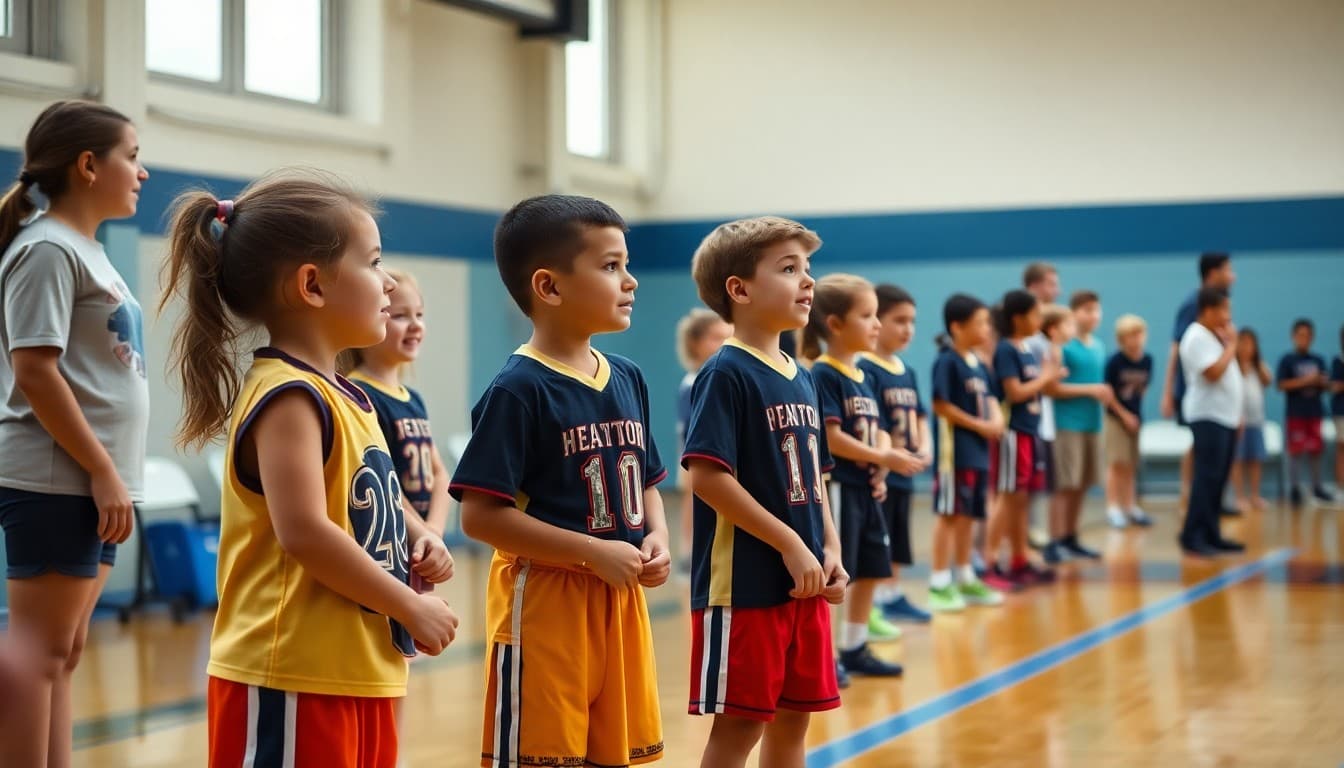
Homeschool Sports Team Newsletter: Keeping Athletes and Families Informed

Running a homeschool sports team takes coordination across dozens of families. Practice times change, games get moved, players need reminders about equipment, and coaches want to celebrate wins. A well-organized newsletter pulls all of that together in one place instead of scattering updates across five different text chains and a Facebook group nobody checks.
Start with a Predictable Template
Families are more likely to read your newsletter consistently if they know what to expect. Pick a format and stick with it. A reliable structure might look like: this week's schedule, last week's results, a player spotlight, a reminder or action item, and a note from the coach. When parents open the email, they know exactly where to find the game time on Saturday.
Consistent structure also makes your job easier. You are filling in a template, not writing from scratch every Sunday night. Most weeks you spend 15 to 20 minutes on the update instead of an hour.
Cover the Essentials Every Issue
Do not assume families remember what you announced two weeks ago. Repeat the important details. Every newsletter should include the full upcoming schedule with dates, times, and locations. If a field requires directions or has limited parking, include that note. For homeschool co-op teams especially, families are driving from different parts of the county and do not have a central school campus as a reference point.
Game results belong in the newsletter too. A quick recap of the score and a sentence or two about how the team performed gives parents who could not attend a way to stay connected to the season.
Use a Player Spotlight Section
Highlighting one player per issue builds team culture and gives families a reason to look forward to each edition. Keep it short: three or four sentences about the player's role on the team, a recent moment where they contributed, and something personal like their favorite sport memory or what they are working to improve. Rotate through every player over the season so nobody is left out. This section often gets forwarded to grandparents and extended family, which increases your overall readership.
Sample Newsletter Section
Here is an example of what a weekly schedule and results section might look like:
This Week: Practice Tuesday, May 14 at Riverside Park Field 3, 4:00-5:30pm. Bring cleats and a full water bottle. Game Saturday, May 18 at Lincoln Sports Complex, 10:00am kickoff. Arrive by 9:30am for warmups.
Last Week's Result: We beat the Westside Homeschool Co-op 4-2 on Saturday. Strong defending in the second half kept us in front after a close first half. Great game by everyone.
Manage Volunteer Sign-Ups Through the Newsletter
Most homeschool sports teams run on parent volunteers for everything from snack duty to field setup and scorekeeping. Put a simple sign-up request in each newsletter rather than hoping someone will offer at the game. A single line works: "We still need two families to bring snacks for the May 25 game. Reply to this email to volunteer." When you track sign-ups in a shared document, include a link so families can see what is already covered before they reach out.
Keep Equipment and Uniform Reminders Visible
Reminders about required equipment belong in the newsletter at least once a month during the season. Families juggle a lot of activities and forget that shin guards are required or that this weekend is the team photo and players need to wear their away jersey. A short bullet list at the bottom of each newsletter for "Don't Forget" items covers this without taking up much space.
Handle Season-End Communication Carefully
The final newsletter of the season deserves extra effort. Recap the full season record, highlight team achievements, thank coaches and volunteers by name, and give families information about off-season training opportunities or next season's registration timeline. A season-end newsletter that feels personal and celebratory becomes something families save and share, which builds goodwill and makes recruitment for next year easier.
Choose a Tool That Saves You Time
A newsletter tool that lets you save and reuse templates removes the biggest friction from weekly publishing. Daystage lets you set up your sports newsletter format once and reuse it each week, swapping in new schedules and scores without reformatting anything. Fewer clicks means you actually send the newsletter every week instead of letting it slide when the season gets busy.
Get one newsletter idea every week.
Free. For teachers. No spam.
Frequently asked questions
How often should a homeschool sports team send a newsletter?
Weekly during the active season works well for most homeschool sports teams. Send the newsletter on a consistent day, like Sunday evening, so families know when to expect it. During off-season, a monthly update is usually enough to keep players engaged and announce registration or tryout dates.
What should a homeschool sports team newsletter include?
Cover upcoming game and practice schedules, recent game results, player spotlights, equipment or uniform reminders, and volunteer sign-ups. Adding a short motivational note from the coach helps build team culture. Keep each section brief since most parents skim newsletters on their phones.
How do I handle last-minute schedule changes in a newsletter?
Send a short separate alert email for cancellations or location changes rather than waiting for the next regular newsletter. Use clear subject lines like 'Schedule Change: Saturday Game Moved to 2pm.' Follow up in the next regular newsletter with an explanation and any updated dates. Having a backup communication channel like a group text helps for truly urgent changes.
Should homeschool sports newsletters include photos?
Photos significantly increase engagement, but always get parental permission before publishing images of minors. A simple opt-in form at the start of the season covers this. Candid action shots from games are more compelling than posed group photos. Keep file sizes reasonable so the newsletter loads quickly on mobile devices.
What tool works best for a homeschool sports team newsletter?
Daystage is a great fit for homeschool sports teams because it lets you build clean newsletters fast, add photos easily, and track who has opened and read each issue. You can reuse a template each week and just swap out the schedule and scores, which saves time when you are also coaching or wrangling players.

Adi Ackerman
Author
Adi Ackerman is a former classroom teacher and curriculum writer with 8 years in K-8 schools. She writes about school communication, parent engagement, and what actually works in real classrooms.
More for Homeschool
Homeschool Co-op Newsletter Guide: Keeping Member Families Informed and Engaged
Homeschool · 6 min read
Homeschool Curriculum Newsletter: How to Share Your Curriculum Choices with Your Community
Homeschool · 5 min read
Homeschool Community Partnership Newsletter: Engaging Local Organizations and Resources
Homeschool · 5 min read
Ready to send your first newsletter?
3 newsletters free. No credit card. First one ready in under 5 minutes.
Get started free