
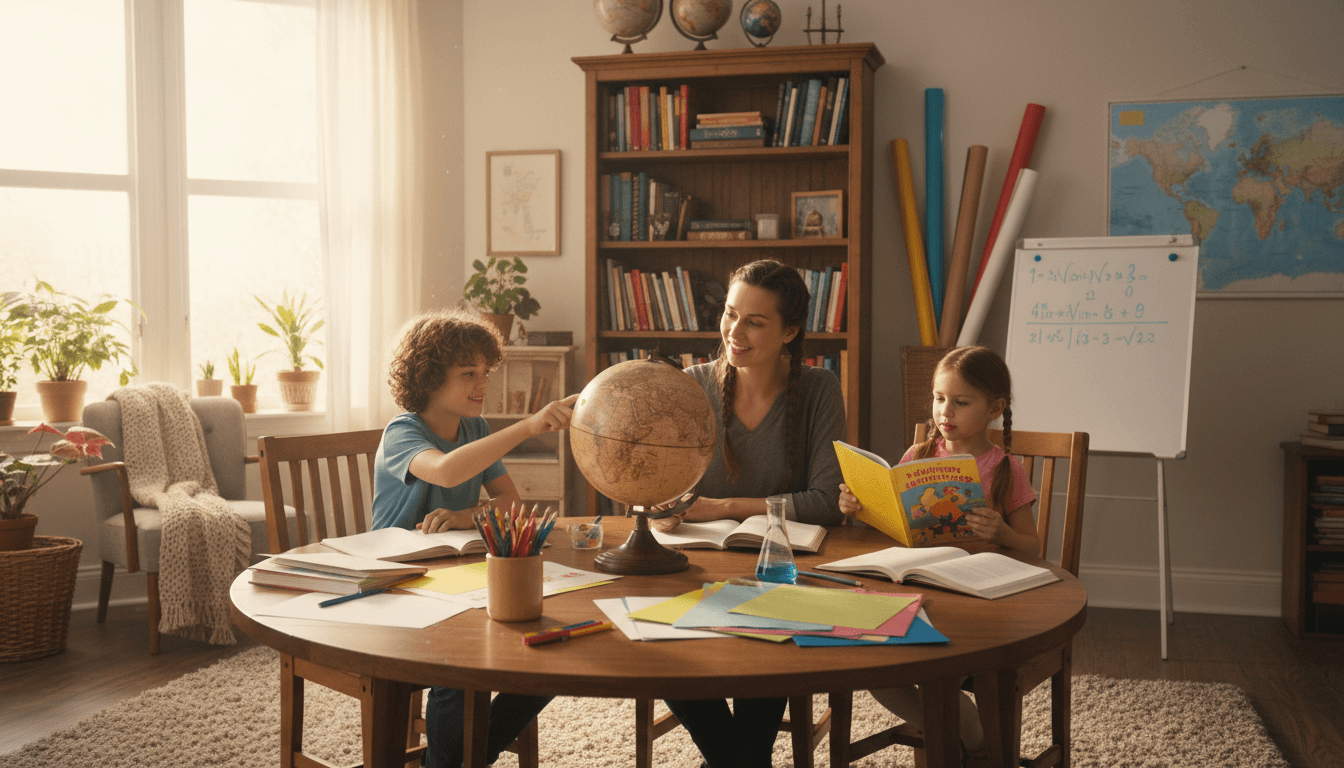
Homeschool Community Partnership Newsletter: Engaging Local Organizations and Resources
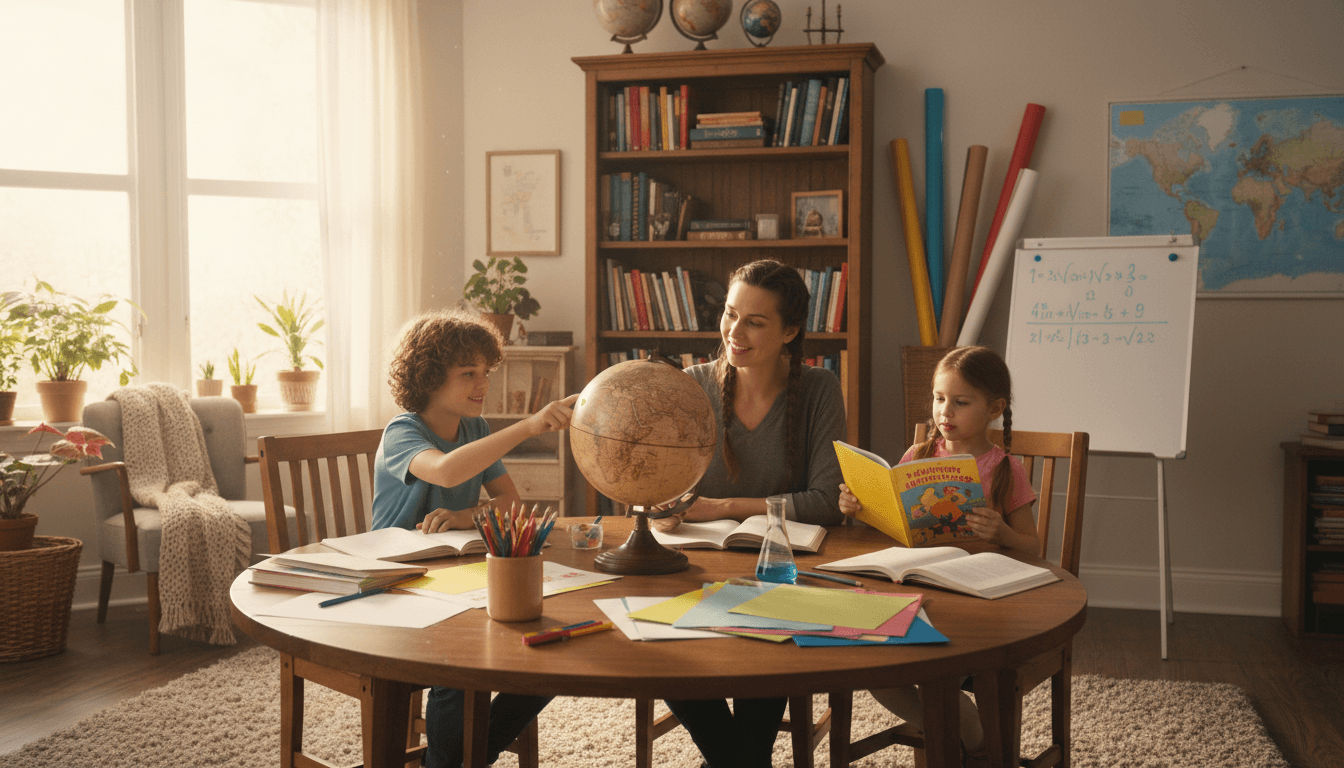
Homeschooling does not mean learning in isolation from the community. The most effective homeschool programs actively build partnerships with libraries, museums, parks, businesses, and community organizations that extend the educational program well beyond what any curriculum package can provide. The newsletter is how you build and maintain those partnerships over time.
A homeschool family or co-op that communicates regularly with community partners, keeps them updated on student learning, and acknowledges their contribution publicly creates partnerships that deepen over years. The library that becomes a genuine partner in a homeschool community does more than lend books.
Building the partnership announcement newsletter
When you establish a new community partnership, announce it in the newsletter with enough detail that readers understand what the partnership involves, what students will gain from it, and how families can participate. "We are partnering with the Riverside Nature Center for monthly field naturalist sessions this year. The sessions are on the first Saturday of each month from 10 to noon and are free for co-op families. Students will keep a nature journal across the year and present findings at the May showcase."
This kind of announcement creates anticipation, gives families the information they need to participate, and provides documentation of the partnership from its first day.
The library as a core educational partner
The public library is the most accessible and often the most underutilized community resource available to homeschool families. Regular newsletter mentions of library programs, new resources, digital lending options, and librarian relationships build a culture of library use that serves students throughout their educational lives.
Many libraries have homeschool-specific programs or will create them if approached by an organized co-op. The newsletter that announces a new library program partnership and encourages families to participate builds both program attendance and the library's confidence that homeschool families are engaged community members worth investing in.
Museum and cultural institution relationships
Museums, historic sites, arts organizations, and cultural institutions often have education staff who love working with homeschool groups because they can offer programs that are impossible to run for traditional school groups with rigid schedules and behavioral constraints. A homeschool co-op that arrives prepared, engaged, and genuinely curious is a remarkable audience compared to a school group of thirty students on a chaperoned field trip.
Build these relationships with acknowledgment in the newsletter. A brief thank you to the museum educator who ran a special program, or a note about the ongoing relationship with the nature center, signals to partners that the relationship is valued and worth continuing.
Business and professional mentorship
Older homeschool students benefit enormously from relationships with professionals in fields they are interested in. Job shadowing, informational interviews, apprenticeship-style arrangements, and mentorship connections all help students understand what different careers actually involve. The newsletter is the right place to ask co-op families to share professional connections and to document the mentorship activities that result.
Reciprocal contribution to the community
The strongest community partnerships are reciprocal. Homeschool students who contribute to community organizations, not just receive from them, develop a sense of civic responsibility and build genuine relationships with community adults. The newsletter should document both what the community provides to your students and what your students give back to the community.
Get one newsletter idea every week.
Free. For teachers. No spam.
Frequently asked questions
What kinds of community partnerships benefit homeschool programs?
Library programs including storytime, homework help, and librarian-led research instruction. Museum education departments with homeschool-specific programs. Local businesses offering job shadowing or mentorship. Nature centers, farms, historical sites, and parks with educational programs. Faith communities with youth programs. Senior centers where students can volunteer and learn from older adults.
How do you approach a local organization about a homeschool partnership?
Lead with what you can offer rather than what you are asking for. A co-op that offers to volunteer at the natural history museum in exchange for behind-the-scenes access is a better proposition than one that asks for discounted admission. Most organizations are receptive to homeschool groups when the ask is specific, the commitment is clear, and the benefit is mutual.
How do co-ops coordinate community partnerships through newsletters?
Use the newsletter to propose partnerships to the co-op community before approaching organizations. 'Are families interested in a library program partnership for the fall? If five families commit to attending, the library will run a dedicated homeschool research skills program for us.' This gauges interest before making commitments.
How do you document community partnerships for educational record-keeping purposes?
Name the organization, the program or relationship, the date range, and what the student did or learned. For high school students, community partnerships can support service hours documentation, career exploration credits, and experiential learning records. The newsletter creates this documentation as a natural byproduct of communication.
How does Daystage help homeschool families build community partnership newsletters?
Daystage supports the newsletter communication that announces, documents, and recaps community partnership activities. Families use it to keep co-op members and extended stakeholders informed about the community resources they are building into the educational program.

Adi Ackerman
Author
Adi Ackerman is a former classroom teacher and curriculum writer with 8 years in K-8 schools. She writes about school communication, parent engagement, and what actually works in real classrooms.
More for Homeschool
Homeschool Gifted Program Newsletter: Communicating Advanced and Enriched Learning for High-Ability Students
Homeschool · 5 min read
Homeschool PE Newsletter: Documenting Physical Education and Fitness for Home Learners
Homeschool · 5 min read
Homeschool Transition to Public School Newsletter: Communicating the Move from Home to Traditional School
Homeschool · 6 min read
Ready to send your first newsletter?
3 newsletters free. No credit card. First one ready in under 5 minutes.
Get started free