
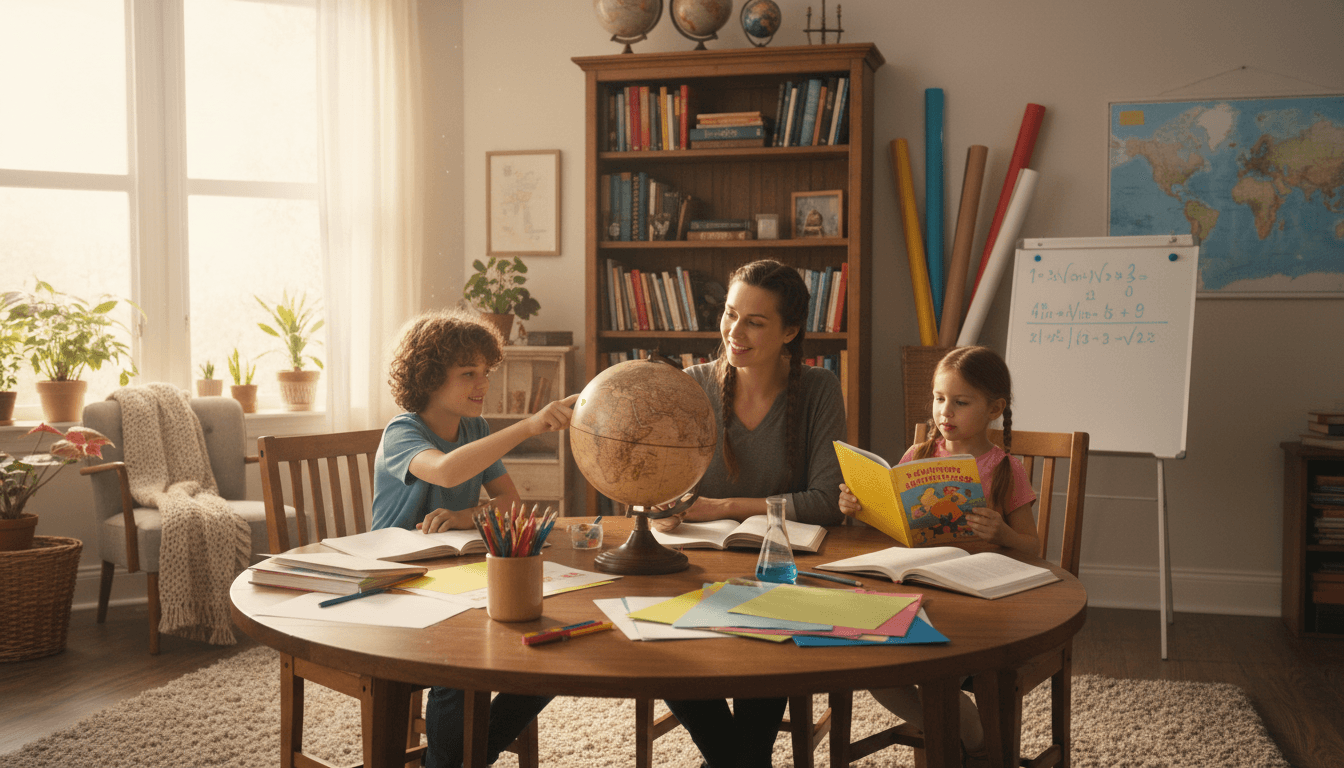
Homeschool Socialization Activities Newsletter: Documenting Social Learning and Community Involvement
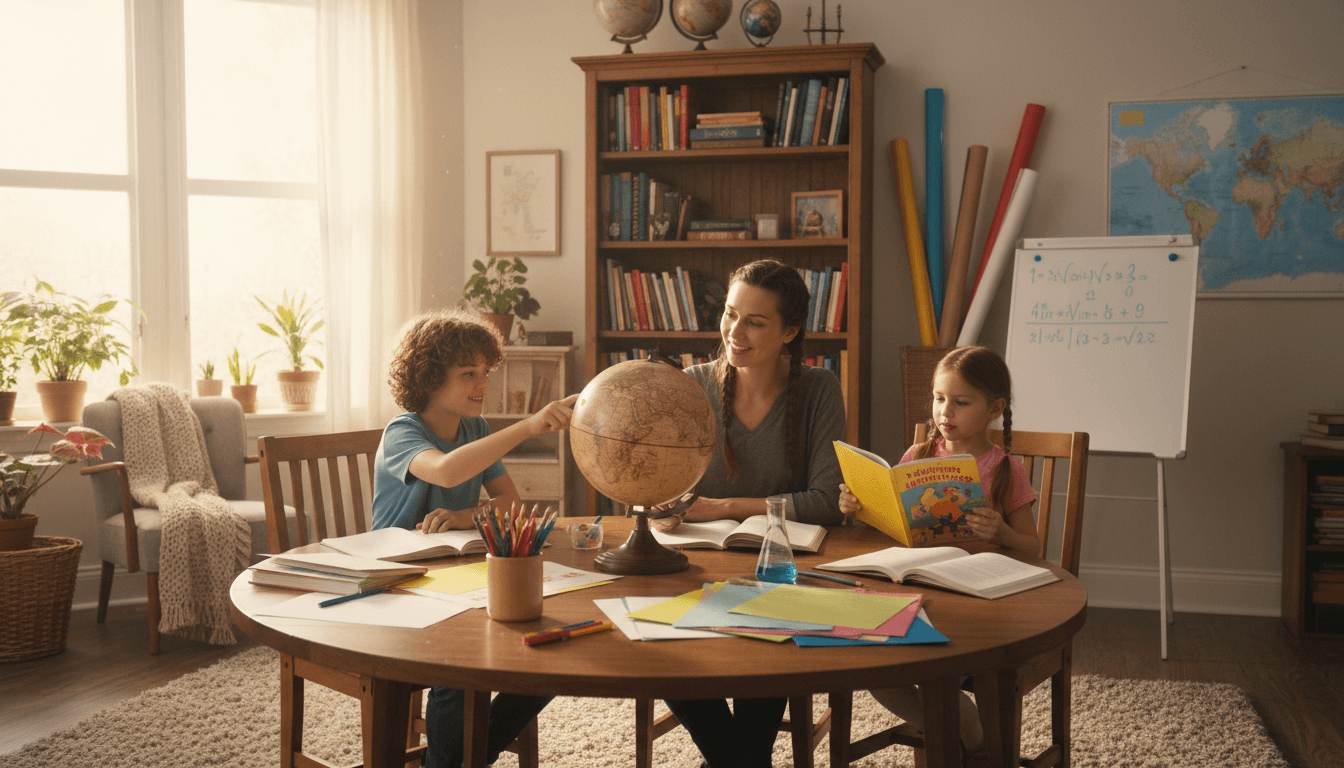
The socialization question comes up in almost every homeschool family's experience. From extended family at holiday dinners to neighbors who notice the children are home during school hours, the assumption that homeschooled children are isolated is persistent despite abundant evidence to the contrary. The newsletter is the most elegant response to this concern because it shows rather than argues.
A newsletter that documents the actual breadth of a homeschooled student's social life over a week or month makes the concern evaporate. Not because you addressed it directly, but because the evidence is right there in front of the reader.
The range of social learning that belongs in your newsletter
Social learning in homeschooling happens across a far wider range of settings than traditional schooling. Co-op classes bring together peers of similar and different ages. Sports leagues create team experiences. Community theater puts students in collaborative creative work. Library programs develop relationships with adults and peers outside the family. Faith community youth groups provide weekly social structure. All of these belong in your newsletter.
Document the range, not just the total. A student who spends time with a variety of peer groups and adults in different settings is developing social skills that are arguably richer than a student who sees the same thirty classmates every day for nine months.
Describing social learning moments specifically
Vague mentions do not accomplish what specific descriptions do. "Noah participated in his co-op theater class" is less convincing than "Noah had his first experience directing a scene in co-op theater this week. He had to give feedback to two older students, which he found uncomfortable but managed well." The specific description shows actual social skill development in action.
Include conflict, difficulty, and growth where it is appropriate to share. A student who had a disagreement with a peer and resolved it through conversation is demonstrating real social learning. These moments are worth documenting even if they are not triumphant.
Community service and volunteer involvement
Community service is both a socialization activity and a character development opportunity that deserves its own section in the newsletter. Regular volunteer involvement at a food bank, animal shelter, community garden, or senior center creates genuine community relationships and teaches students that contribution is a normal part of a full life.
Document service hours and the nature of the work. This documentation serves the newsletter's communication purpose and builds the record that high school students will want when applying for scholarships or completing community service graduation requirements.
Managing a busy activities schedule through the newsletter
Homeschool families often run full activity schedules that require coordination across multiple programs and community organizations. The newsletter helps manage this by listing upcoming activities, confirming registration and payment status, and giving participants advance notice of schedule changes or special requirements.
An upcoming activities section at the end of every newsletter with dates, locations, and what to bring reduces the back-and-forth communication that drains family time during busy weeks.
Balancing activities with learning time
Over-scheduling is a genuine risk in homeschool families who feel pressure to fill every social gap. The newsletter can serve as an honest check on this: if you find yourself listing sixteen activities in a week, that is useful information about whether the schedule is sustainable. The goal is rich, varied social experience, not maximum activity count.
Document what you actually do rather than building the newsletter to impress skeptics. Authenticity produces better newsletters and more honest records of your student's actual social development.
Get one newsletter idea every week.
Free. For teachers. No spam.
Frequently asked questions
Why does documenting socialization matter in homeschool newsletters?
Socialization is the most common concern people raise about homeschooling. A newsletter that regularly documents co-op participation, team sports, community classes, volunteer work, and peer group activities provides concrete evidence that addresses this concern. It also creates a record of social development that supplements academic documentation.
What counts as socialization in a homeschool newsletter?
Any structured interaction with peers or community members outside the immediate family: co-op classes, sports leagues, music ensembles, theater groups, faith community youth programs, community service, neighborhood play, library programs, and dual enrollment classes. Diversity in settings and peer groups is more important than total hours.
How do you respond to socialization concerns in a newsletter without being defensive?
Lead with concrete examples rather than arguments. A paragraph describing your student's actual week of social interactions is more persuasive than any defense of homeschool socialization philosophically. The specifics speak for themselves.
Should socialization activities have their own newsletter or be included in the general update?
For most families, a standing activities section in the weekly or monthly newsletter is sufficient. Only families facing formal accountability reviews, transitioning students to public school, or managing particularly active schedules need a dedicated activities newsletter.
How does Daystage help homeschool families document social activities in newsletters?
Daystage makes it easy to include photos, activity summaries, and upcoming event announcements in a consistent newsletter format. Families use it to build a visual, engaging record of social learning alongside academic progress.

Adi Ackerman
Author
Adi Ackerman is a former classroom teacher and curriculum writer with 8 years in K-8 schools. She writes about school communication, parent engagement, and what actually works in real classrooms.
More for Homeschool
Homeschool PE Newsletter: Documenting Physical Education and Fitness for Home Learners
Homeschool · 5 min read
Homeschool Weekly Update Newsletter: A Simple Format That Actually Gets Read
Homeschool · 5 min read
Homeschool Community Partnership Newsletter: Engaging Local Organizations and Resources
Homeschool · 5 min read
Ready to send your first newsletter?
3 newsletters free. No credit card. First one ready in under 5 minutes.
Get started free