
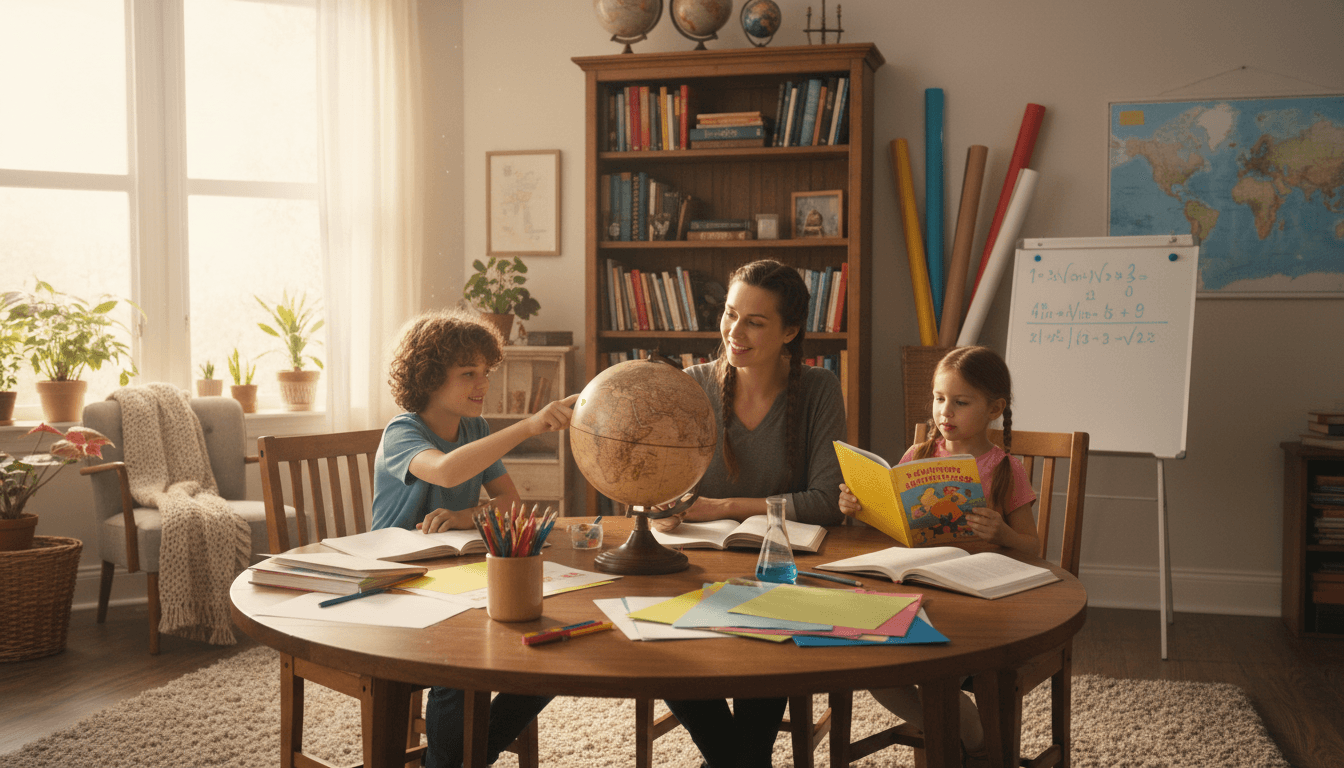
Homeschool Science Lab Newsletter: Communicating Hands-On Science Learning to Your Community
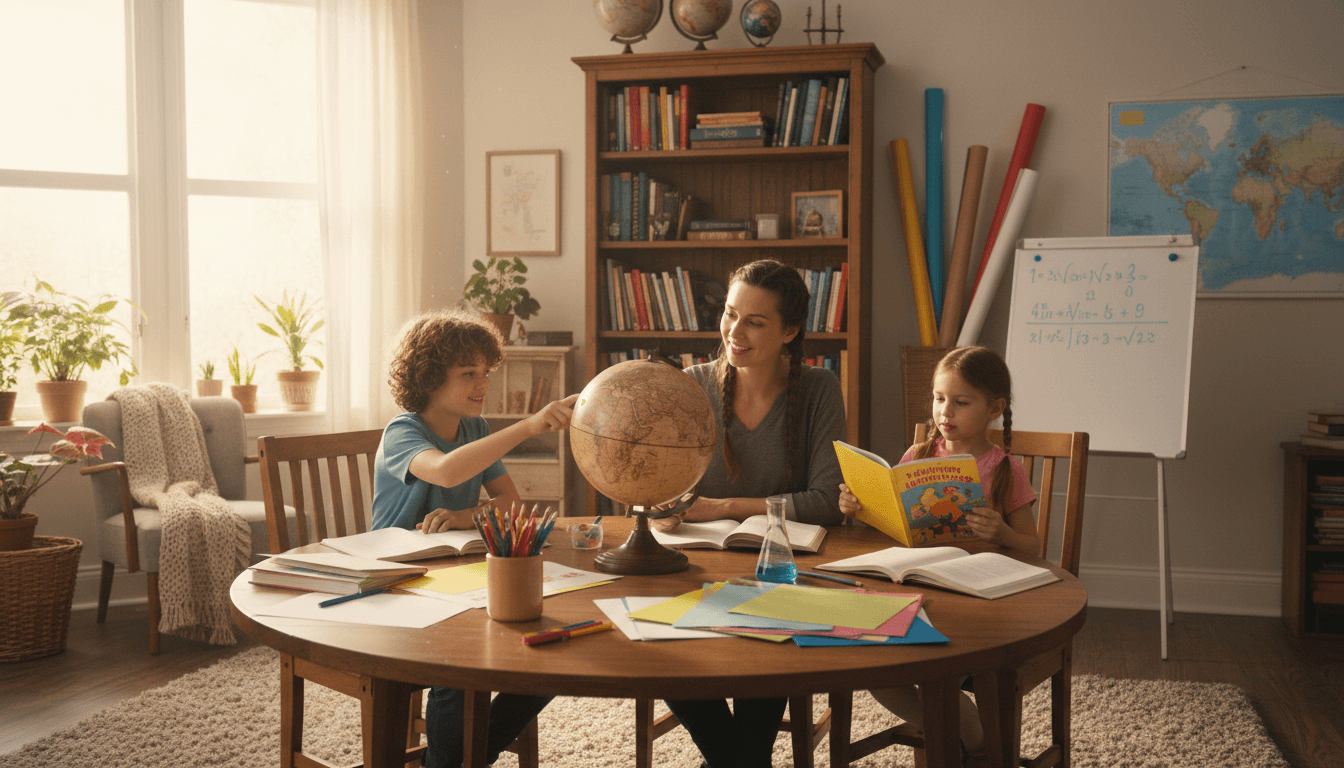
One of the most common criticisms of home science education is that it cannot replicate the laboratory experience of traditional school. The criticism has some validity in high school chemistry and biology, where specialized equipment and safety requirements are genuine challenges. But it misses the fact that homeschool science education often includes laboratory experiences that school labs rarely offer: extended investigations, student-designed experiments, and science integrated into daily life.
The science lab newsletter documents this reality for the people who need to see it. It also creates a record that, for high school students, can satisfy documentation requirements for science lab hours.
Describing experiments clearly for non-scientists
Most newsletter readers are not scientists. Write lab descriptions in plain language that conveys what happened without assuming scientific vocabulary. "We tested whether water temperature affects how quickly sugar dissolves. We used three glasses of water at three different temperatures and measured how long it took a teaspoon of sugar to dissolve in each." This description tells a non-scientist exactly what happened and why it matters.
Include what the student expected to happen before the experiment and how the actual results compared to those expectations. The gap between prediction and observation is where real scientific thinking lives.
Documenting co-op lab days
Many homeschool co-ops run dedicated science lab days with a parent who has relevant expertise or access to better equipment than individual families own. These lab days are worth a dedicated newsletter section. Describe the experiments conducted, the concepts covered, which families contributed materials or instruction, and what students took away from the session.
Co-op lab documentation is especially important for high school science because it demonstrates access to peer collaboration and supervision during laboratory work, which traditional accountability reviewers often expect.
Connecting lab experiences to curriculum
Science labs gain meaning when connected to the broader curriculum unit they support. A newsletter that describes a simple machine experiment without mentioning that it connects to a physics unit on forces and motion misses an opportunity to show curriculum integration. Always link the lab to the unit: "This week's pendulum experiment is part of our six-week physics unit on motion and energy."
For families using a science curriculum with built-in labs, mention the curriculum name and the specific unit. This anchors the lab documentation in a recognized educational framework that accountability reviewers can evaluate.
Including student observations and questions
The most valuable content in a science lab newsletter comes from the student, not the parent describing the experiment. Include at least one direct observation from your student: what they noticed, what surprised them, or what question the experiment raised. "After the experiment, Lena asked why salt dissolves faster than sugar. We added that question to our lab notebook for the next investigation." This demonstrates genuine inquiry-based learning.
Building a science lab archive for transcript documentation
For high school students, maintain a lab log that records every lab experience with date, experiment, and time spent. The newsletter provides the narrative account; the log provides the hours documentation. Together they create a complete record that supports lab-hour claims on the high school transcript. Most homeschool science curricula recommend 30 to 40 hours of lab work per credit. A systematic newsletter and log practice makes that documentation straightforward.
Get one newsletter idea every week.
Free. For teachers. No spam.
Frequently asked questions
Why document science labs in a newsletter rather than just keeping a lab notebook?
The lab notebook is for the student. The newsletter communicates the lab experience to extended family and accountability partners who want to understand the science program. For high school students, the newsletter documentation also supports the argument that home lab work meets science lab hour requirements for transcript purposes.
What should a homeschool science lab newsletter include?
A brief description of the experiment or investigation, the scientific concept it demonstrates, what the student observed or measured, what conclusion they drew, and any follow-up questions the experiment raised. Photos of the experiment in progress are highly effective. The level of detail depends on your audience and purpose.
How do you handle safety in a homeschool science lab newsletter?
Address safety in newsletters that involve chemical, heat, or electrical experiments. Describe the safety protocols you follow, the protective equipment used, and any modifications you made to a standard experiment to make it appropriate for home use. This demonstrates responsible science education to accountability reviewers.
How do homeschool science lab newsletters support high school transcript documentation?
Lab documentation newsletters, combined with student lab notebooks and photo records, provide evidence that a student completed hands-on laboratory work as part of their science coursework. Many colleges and state regulations require a certain number of lab hours for high school science credits. Documentation makes that case.
How does Daystage help homeschool families share science lab newsletters?
Daystage supports newsletters with photos and formatted content, making it easy to share experiment documentation with extended family, accountability programs, and co-op partners. The newsletter archive creates a cumulative record of hands-on science learning.

Adi Ackerman
Author
Adi Ackerman is a former classroom teacher and curriculum writer with 8 years in K-8 schools. She writes about school communication, parent engagement, and what actually works in real classrooms.
More for Homeschool
Homeschool Back-to-School Newsletter: Starting the Year with Clarity and Excitement
Homeschool · 5 min read
Homeschool End-of-Year Newsletter: Closing the School Year with Documentation and Celebration
Homeschool · 6 min read
Homeschool Legal Requirements Newsletter: Communicating Compliance and State Requirements
Homeschool · 5 min read
Ready to send your first newsletter?
3 newsletters free. No credit card. First one ready in under 5 minutes.
Get started free