
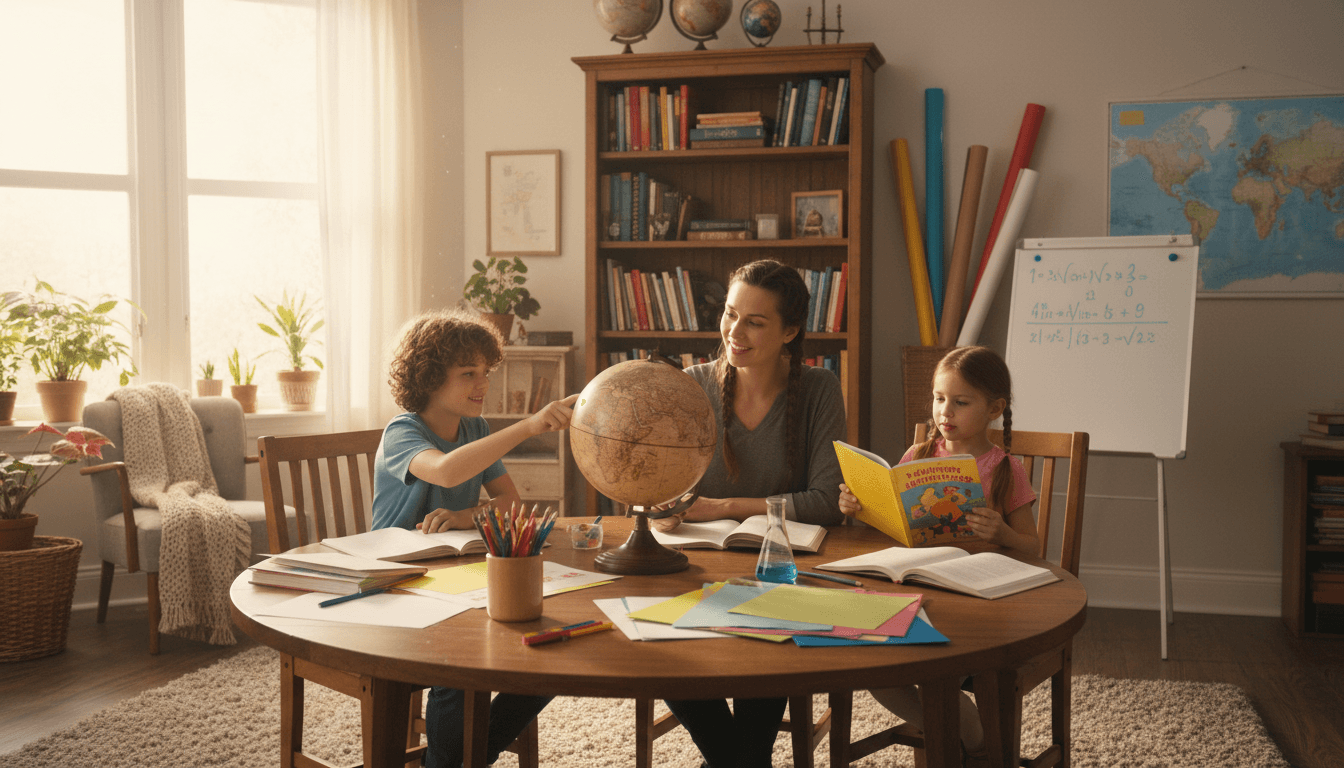
Homeschool Back-to-School Newsletter: Starting the Year with Clarity and Excitement
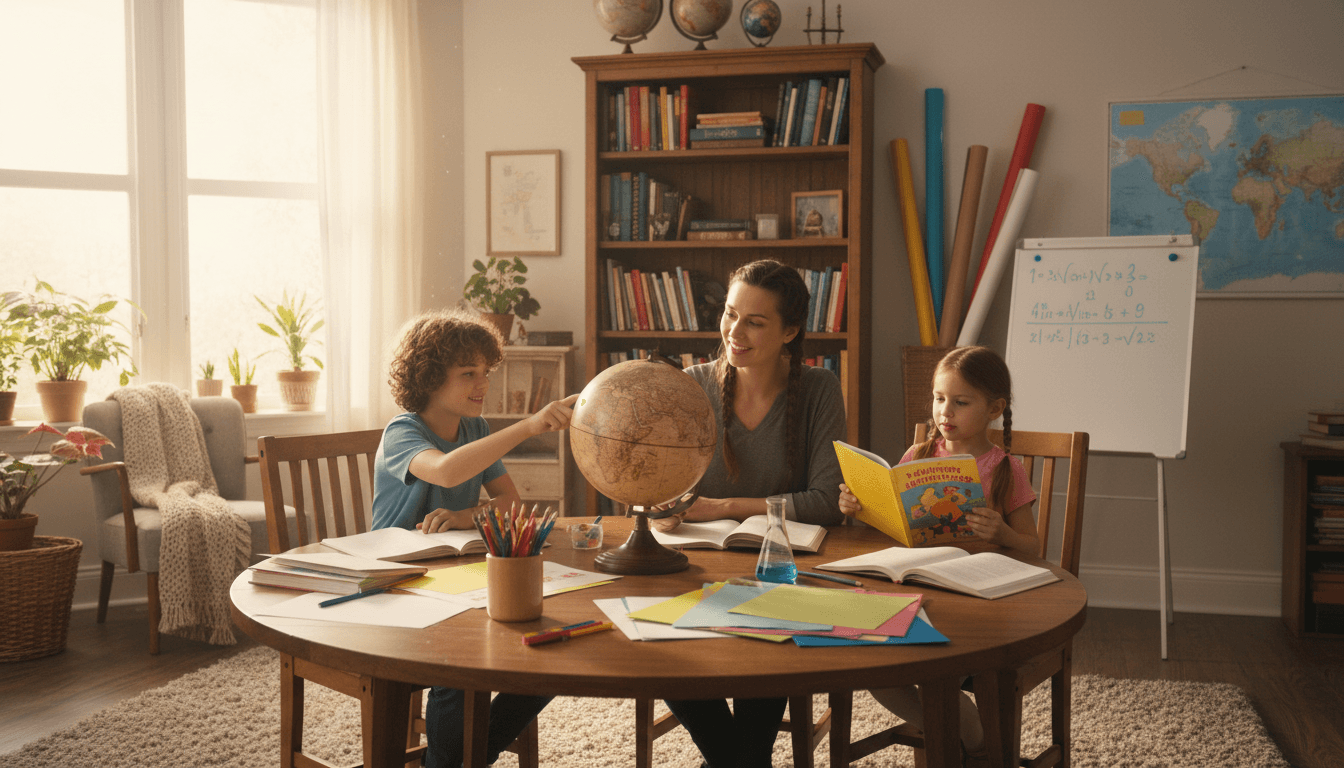
The back-to-school newsletter for a homeschool family does something that no traditional school back-to-school communication needs to do: it marks a fresh start that happens entirely within the family's own home. There is no new building to visit, no new teacher to meet, no orientation to attend. The newsletter is how the family signals to their broader community that a new chapter has begun.
Done well, it also generates the kind of anticipation and intention that makes the first weeks of a new school year productive rather than sluggish.
Starting with what is new
The back-to-school newsletter should lead with what is different this year rather than repeating what readers already know from last year. New curriculum, new subjects, new activities, new schedule structure, a student starting a new grade level or a new academic phase. Change signals growth and gives readers something fresh to engage with.
If very little is actually changing, be honest about that too. "We are largely continuing with the programs that worked well last year with a few additions" is a legitimate and credible back-to-school message for families whose program is running well and does not need significant adjustment.
The year's learning goals
Include two to three specific learning goals for each student for the year. These goals give the newsletter an aspirational quality and give accountability partners something to look for when the end-of-year newsletter arrives. "By June, we hope to see Jonah writing a full five-paragraph essay independently, completing algebra 1, and earning his second guitar recital performance." These goals are ambitious but specific, and they give the year a shape.
Schedule and structure overview
Describe the weekly schedule briefly. Co-op days, class commitments, office hours for accountability partners, free learning time, and any predictable structure in the week. Readers who understand the daily rhythm can visualize the educational environment rather than imagining something vague.
Note any significant schedule constraints that will affect the program: a working parent's schedule, younger siblings' nap times, a student's regular therapy appointments. Honest context helps readers understand why the schedule looks the way it does.
Co-op and community involvement
If the family participates in a co-op or community programs, describe that involvement in the back-to-school newsletter. Which co-op, which days, which subjects or activities the co-op covers, and how it integrates with the home program. This gives a complete picture of the educational environment rather than leaving readers to imagine homeschooling as entirely isolated from community.
An invitation to follow along
Close the back-to-school newsletter with a warm invitation. "We will send weekly updates throughout the year. If you have questions or want to be added to our newsletter list, let us know. We love sharing this with people who care about these kids." This relational close reminds readers that the newsletter is a community document, not just a compliance filing.
Get one newsletter idea every week.
Free. For teachers. No spam.
Frequently asked questions
When should a homeschool family send the back-to-school newsletter?
Send it one to two weeks before the new school year begins. This timing gives family members and accountability partners context for the year ahead before it starts and creates a sense of occasion around the launch of the new academic year. A follow-up after the first week confirms that the plan was put into practice.
What should a homeschool back-to-school newsletter include?
The school year start date, each student's grade level for the year, the curriculum being used for each subject, the weekly schedule, co-op or class commitments, major projects or goals for the year, and anything new or changed from last year. Readers who receive the end-of-year newsletter last spring will notice and appreciate the continuity.
How do you generate excitement in a back-to-school newsletter?
Lead with one or two genuinely exciting things about the year ahead: a new curriculum the family is enthusiastic about, a major field trip or project planned, a new extracurricular starting, or a learning goal the student is genuinely motivated by. Readers catch excitement when it is real and genuine rather than performed.
How do you handle curriculum changes between years in the newsletter?
Be explicit about what changed and why. 'We are switching from Saxon to Teaching Textbooks for math this year because Mia learns better with self-paced lessons and immediate feedback.' Readers who followed last year's curriculum newsletter appreciate the continuity and context.
How does Daystage help homeschool families launch the new school year with newsletters?
Daystage makes it easy to send the back-to-school newsletter to all subscribers with professional formatting. The platform maintains the subscriber list built over previous years so the new year launch reaches everyone who followed along last year.

Adi Ackerman
Author
Adi Ackerman is a former classroom teacher and curriculum writer with 8 years in K-8 schools. She writes about school communication, parent engagement, and what actually works in real classrooms.
More for Homeschool
Homeschool Art and Music Newsletter: Documenting Creative Arts Learning at Home
Homeschool · 5 min read
Homeschool Dual Enrollment Newsletter: Communicating Community College and Online Coursework
Homeschool · 5 min read
Homeschool History and Social Studies Newsletter: Communicating a Rich Humanities Education
Homeschool · 5 min read
Ready to send your first newsletter?
3 newsletters free. No credit card. First one ready in under 5 minutes.
Get started free