
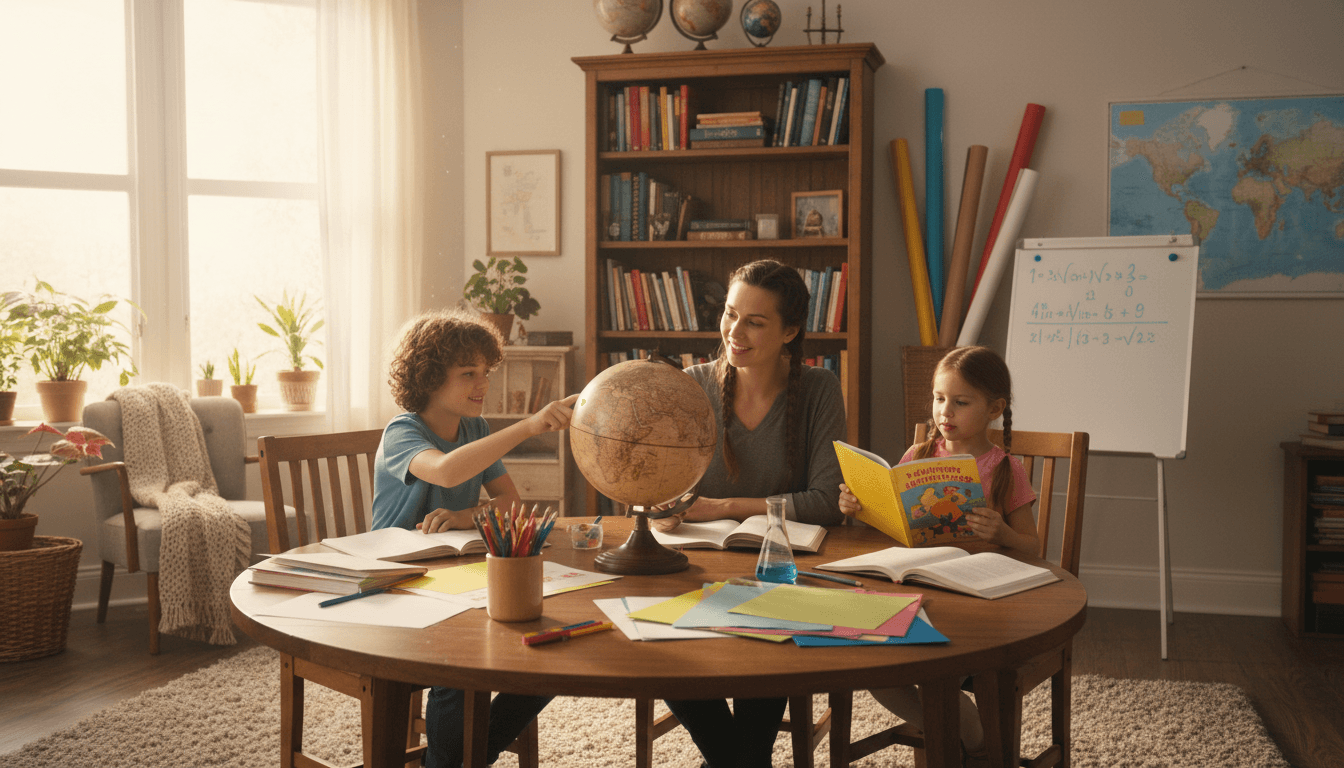
Homeschool Record-Keeping Newsletter: How to Document Your Year and Satisfy Reporting Requirements
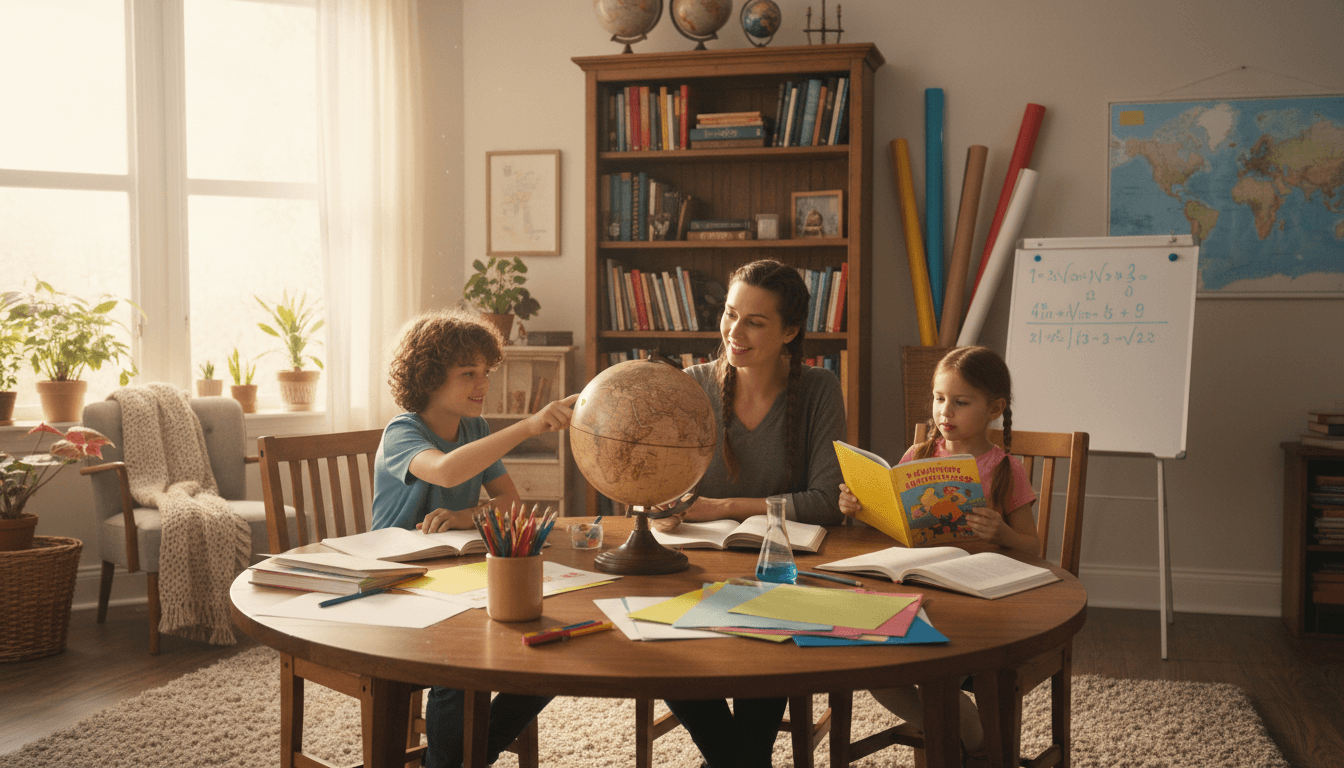
Homeschool record-keeping requirements vary enormously by state. Some states require annual notification, attendance logs, and portfolio review. Others require standardized testing. A small number require very little. Knowing what your state requires is the foundation of a record-keeping system that protects your family legally and documents your students' learning accurately.
Newsletters sit alongside this formal record-keeping rather than replacing it. The newsletter communicates. The records document. Both matter, and they reinforce each other when built into a consistent system.
Building a record-keeping system before the year starts
Set up your record-keeping system in August before the school year begins rather than scrambling to reconstruct documentation in May. At minimum, you need an attendance log (a simple spreadsheet works fine), a curriculum log, and a folder for each student containing work samples, assessment results, and any required documentation.
Document your system in an early-year newsletter so accountability partners, umbrella programs, and extended family understand how you track learning. "We maintain a daily attendance log, a weekly curriculum journal, and quarterly portfolio reviews. We will share summaries of these documents in our quarterly update newsletters."
Attendance communication in newsletters
Many states require a minimum number of instructional days or hours per year. Communicate attendance totals in your monthly or quarterly newsletters so accountability partners can see that you are meeting requirements. "We completed 42 instructional days in Q1, averaging 5.2 hours per day across core subjects." This brief summary keeps stakeholders informed without requiring them to request a formal attendance report.
If your family takes a non-traditional approach to the school year, such as year-round schooling or flexible scheduling, explain that context in your record-keeping newsletter so readers understand how your attendance documentation aligns with state requirements.
Curriculum documentation and the newsletter connection
Your curriculum newsletter at the start of the year establishes the foundation of your curriculum documentation. Reference it in subsequent newsletters when you make changes, add supplemental programs, or complete a unit. "We finished the American Revolution unit we outlined in our September curriculum letter and have moved into Reconstruction." This linking creates a coherent narrative across your communication archive.
Keep a separate curriculum log document that is more detailed than the newsletter. The newsletter summarizes; the log specifies. Both serve purposes in a complete record-keeping system.
Year-end record summary newsletters
Send a year-end record summary newsletter in May or June that compiles the key statistics from the school year: total instructional days, subjects completed, curriculum programs finished, assessment outcomes, and notable achievements. This newsletter serves as a capstone communication that ties together a year of weekly and monthly updates.
Include any external validations from the year: standardized test scores if you tested, evaluator reports if your state requires a certified evaluator review, or co-op class completions. External documentation adds credibility to the family's own records.
Using the newsletter archive as a supplemental record
A year of consistent newsletters creates a timestamped archive of learning communication. When a student applies to college, transitions to public school, or needs documentation of their educational history, the newsletter archive provides a detailed, dated record that supplements formal documents. Store every newsletter you send in a folder organized by school year. The archive costs nothing to maintain and can be invaluable later.
Get one newsletter idea every week.
Free. For teachers. No spam.
Frequently asked questions
Do newsletters count as homeschool record-keeping?
Newsletters can form part of a record-keeping system but typically do not satisfy legal documentation requirements on their own. Most states that require record-keeping specify attendance logs, curriculum descriptions, and sometimes portfolio samples. Newsletters serve as a communication layer that supplements your formal records rather than replacing them.
What records should a homeschool family keep separate from newsletters?
Attendance logs with daily or weekly hour totals, a curriculum log listing subjects and materials used, standardized test results if required in your state, immunization records if requested, and a basic course description document for high school students. These formal records are separate from newsletter communication but the newsletter can reference and summarize them.
How do you communicate record-keeping practices to an accountability partner or umbrella program?
Send an annual record-keeping overview newsletter at the start of the year describing your documentation system: how you track attendance, how you document curriculum, how you handle assessment, and when records are available for review. This sets expectations and prevents confusion when submission time arrives.
How do you handle a year-end record summary in a newsletter format?
A year-end record summary newsletter covers total instructional days or hours, subjects completed, curriculum used, assessment results, and notable learning milestones. This document serves as both a communication tool and a condensed record that can accompany more formal documentation submitted to oversight bodies.
How does Daystage help homeschool families manage record-keeping newsletters?
Daystage maintains an archive of all newsletters sent through the platform, which homeschool families can use as a timestamped record of their communication history. Combined with formal record-keeping documents, newsletter archives provide a detailed picture of the school year.

Adi Ackerman
Author
Adi Ackerman is a former classroom teacher and curriculum writer with 8 years in K-8 schools. She writes about school communication, parent engagement, and what actually works in real classrooms.
More for Homeschool
Homeschool High School Transcript Newsletter: Communicating Coursework and Credits to Colleges
Homeschool · 6 min read
Homeschool Reading and Language Arts Newsletter: Communicating Literacy Progress and Approach
Homeschool · 6 min read
Homeschool Art and Music Newsletter: Documenting Creative Arts Learning at Home
Homeschool · 5 min read
Ready to send your first newsletter?
3 newsletters free. No credit card. First one ready in under 5 minutes.
Get started free