
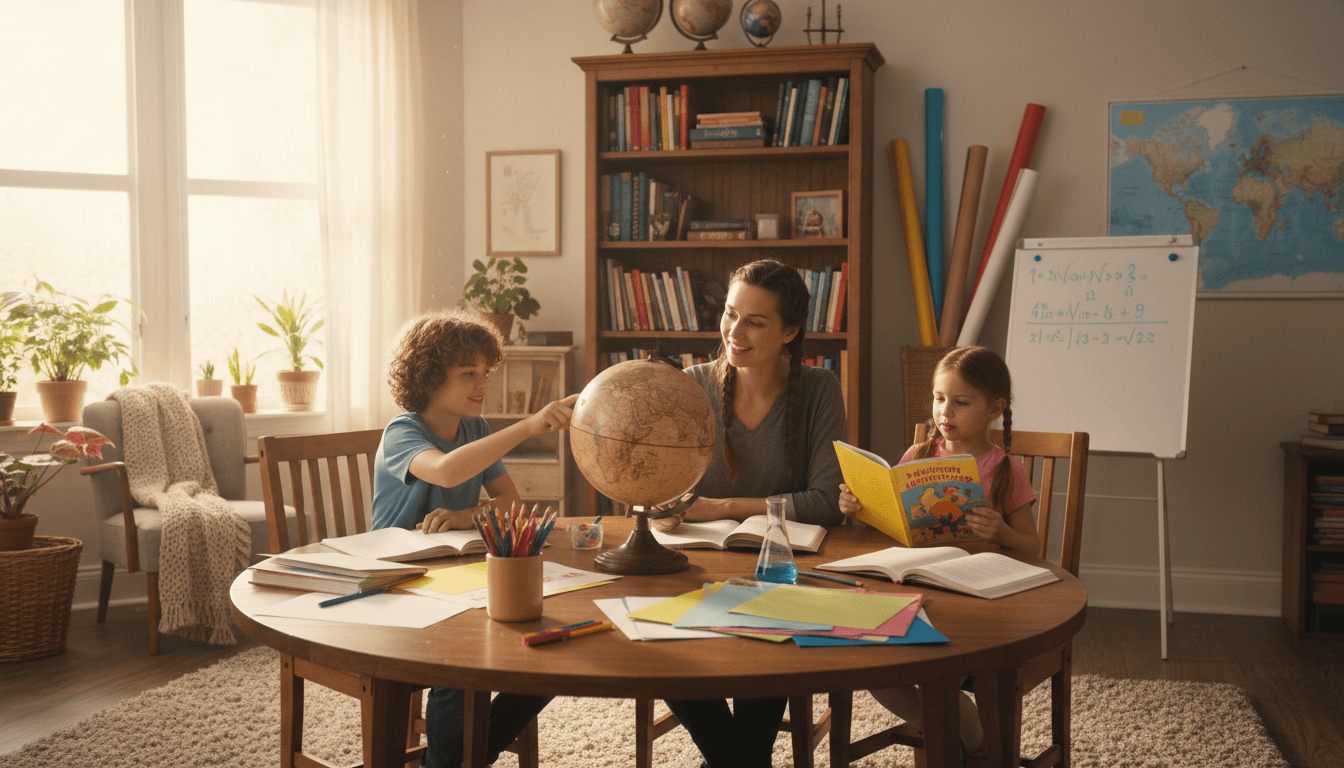
Homeschool Art and Music Newsletter: Documenting Creative Arts Learning at Home
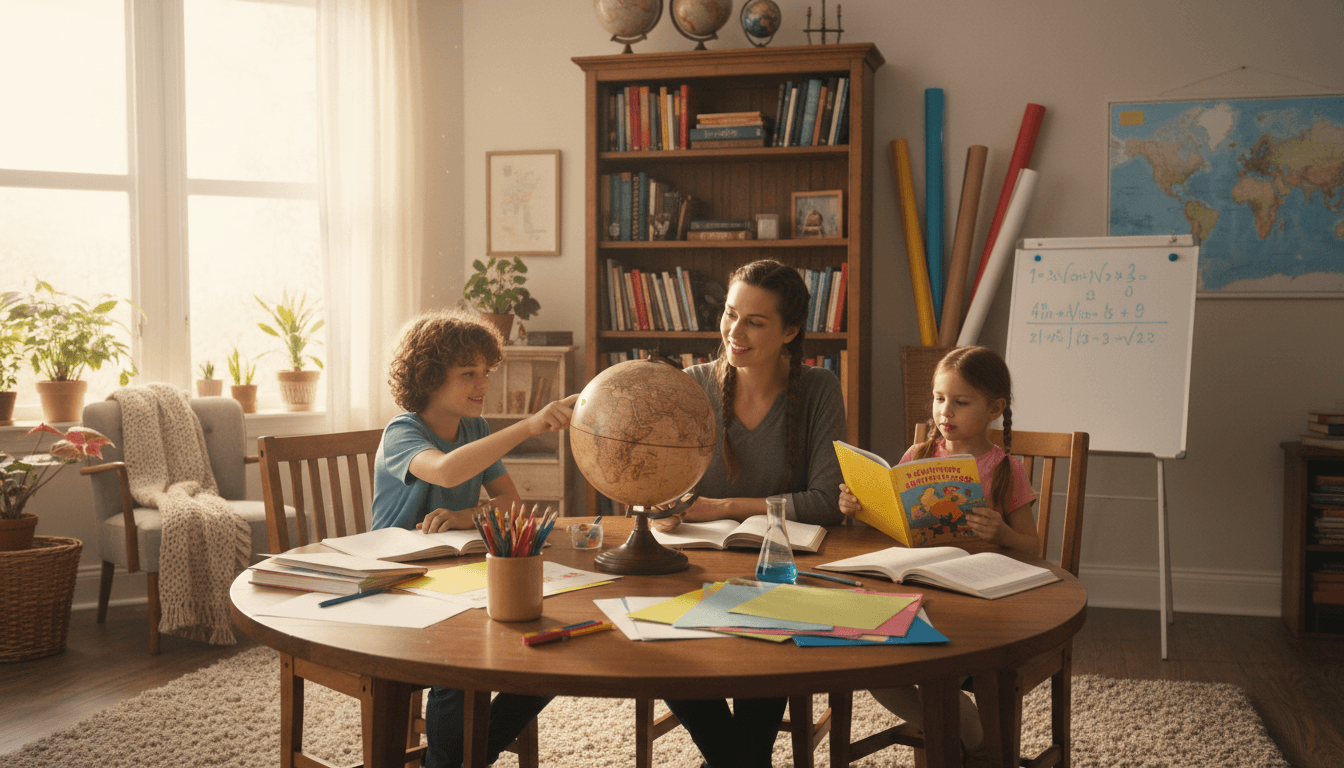
Arts and music education in homeschooling benefits from the same advantage that all home education enjoys: depth over breadth, and time for genuine immersion. A student who practices violin for an hour daily, studies art history alongside a rotating gallery of artist prints, and takes community pottery classes is receiving an arts education that most school arts programs cannot replicate in the time available.
The newsletter makes this education visible. It also creates the documentation record that matters when the student needs to demonstrate arts learning for high school credit, college applications, or performance program auditions.
Documenting music learning specifically
Music documentation requires specifics that many parents skip: the instrument, the teacher's name, the lesson frequency, the practice schedule, the method or repertoire being studied, and any performances. "Amara takes piano lessons weekly with Ms. Torres. She practices five days a week for 45 minutes. She is currently working on a Clementi sonatina and a simplified jazz arrangement of 'Autumn Leaves'." That paragraph contains all the documentation a transcript reviewer needs to award an arts elective credit.
For ensemble participation, whether community youth orchestra, church music group, or co-op music class, document the ensemble, the rehearsal schedule, and any performances. Ensemble experience demonstrates collaborative musicianship that solo practice alone does not.
Sharing visual arts projects
Photographs transform a visual arts newsletter from a description into a showcase. A brief description of the project alongside a photo of the completed work or work in progress gives readers a real window into the student's artistic development. "This week Finn completed a watercolor study of light and shadow. He worked from a photograph of a window with strong directional light and spent most of the session on the transition from highlight to shadow."
Cover the medium, the technique being practiced, and any art history or artist study connected to the project. A student who paints in the style of Monet while studying Impressionism is learning art history through making, which is a more durable connection than reading alone creates.
Arts appreciation versus arts making
Document both arts appreciation and arts making in the newsletter. Museum visits, concert attendance, listening to recorded music, studying the work of specific composers or artists: these appreciation activities develop aesthetic sensibility and cultural literacy alongside the skills developed through making. "We attended the symphony's family matinee this month and followed the program with a discussion of how the orchestra sections work together. Theo asked to listen to more Beethoven at home afterward."
Building toward performances and exhibitions
Public performance and exhibition are important parts of arts education and deserve their own newsletter treatment. Announce upcoming recitals, exhibitions, or performances in advance so family and community members can attend. Follow up with a brief recap after the event. This documentation shows that the student's arts learning has a real audience and contributes to community cultural life.
Arts learning as high school credit documentation
For high school students, maintain a detailed arts log alongside the newsletter: hours of instruction and practice, repertoire or projects completed, performances and exhibitions, and teacher credentials for any private instruction. The newsletter provides the narrative; the log provides the hours. Together they support a credible performing or visual arts credit on the high school transcript.
Get one newsletter idea every week.
Free. For teachers. No spam.
Frequently asked questions
How do you document music practice in a homeschool newsletter?
Include the instrument, the current pieces or method books being studied, weekly practice hours, and any performances or milestones. 'Luca practices violin four days a week for thirty minutes with his private teacher on Tuesdays. He is currently working through Suzuki Book 2 and performed his first solo for the family last weekend.' This documentation supports both accountability and family memory.
What art instruction approaches work well in homeschooling and how do you describe them in a newsletter?
Drawing instruction programs like Draw-Write-Now, art history integration through artists of the week, studio art projects, and community art classes all work in home settings. Describe the approach, the specific activities or media used this term, and any projects completed. Photos of student artwork are the most engaging element in any arts newsletter.
Can music lessons with private teachers count toward high school credits?
Yes. Most homeschool educators and accountability programs accept private instrument instruction toward performing arts elective credits when documented with sufficient detail: hours of instruction, repertoire studied, any performances, and teacher name and credentials. The newsletter documenting this work supports the credit claim.
How do you communicate arts learning to accountability partners who prioritize core academics?
Connect arts learning to broader educational goals. Music develops mathematical thinking through rhythm and pattern recognition. Visual art develops spatial reasoning and observational skills. Literary analysis connects naturally to drama and theater. These connections are real and worth making explicit in your newsletter.
How does Daystage help homeschool families share arts and music newsletters?
Daystage supports photo-rich newsletters that are ideal for sharing student artwork and documenting creative projects. Families use it to build an arts portfolio record alongside academic documentation, giving accountability partners and extended family a complete picture of the student's education.

Adi Ackerman
Author
Adi Ackerman is a former classroom teacher and curriculum writer with 8 years in K-8 schools. She writes about school communication, parent engagement, and what actually works in real classrooms.
More for Homeschool
Homeschool PE Newsletter: Documenting Physical Education and Fitness for Home Learners
Homeschool · 5 min read
Homeschool Transition to Public School Newsletter: Communicating the Move from Home to Traditional School
Homeschool · 6 min read
Homeschool Community Partnership Newsletter: Engaging Local Organizations and Resources
Homeschool · 5 min read
Ready to send your first newsletter?
3 newsletters free. No credit card. First one ready in under 5 minutes.
Get started free