
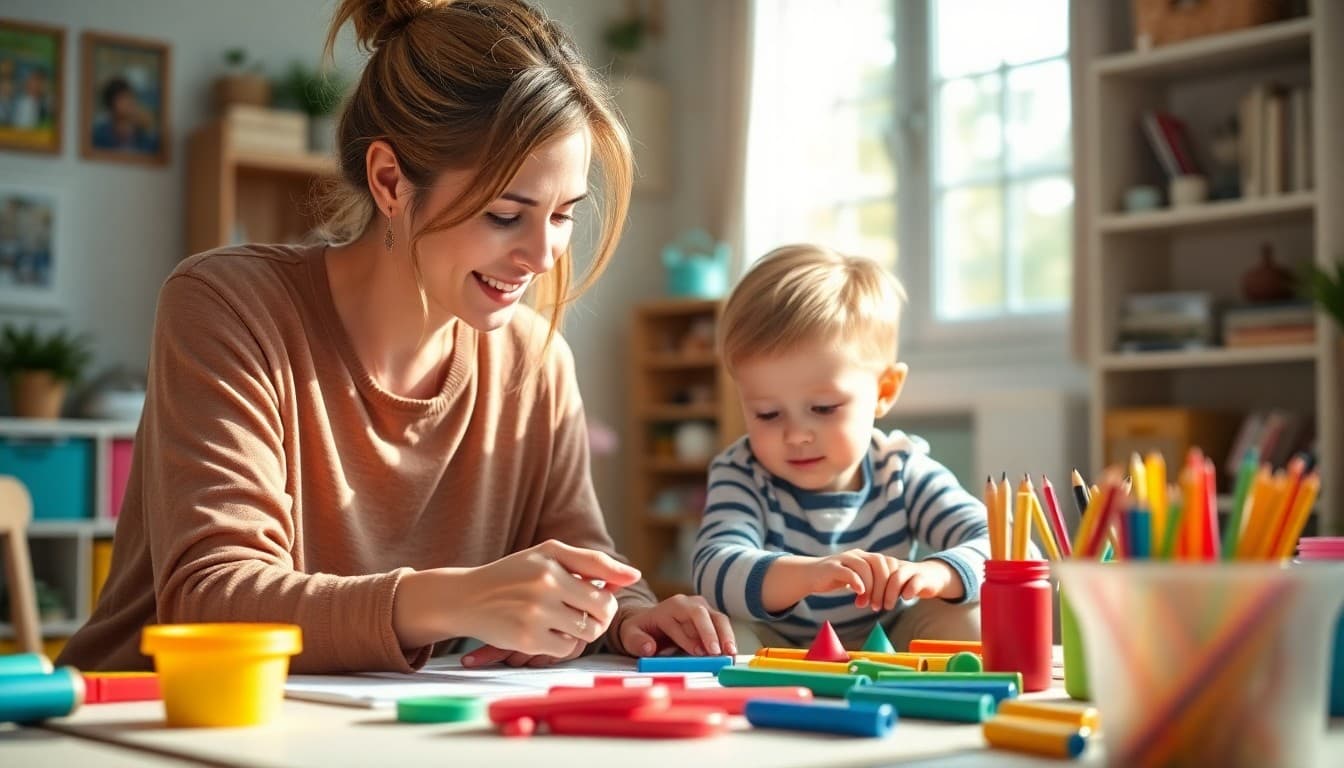
Homeschool Preschool Newsletter: Early Learning Communication

Homeschool preschool is primarily about building foundational skills through play, exploration, and relationship. The newsletter for this age group serves a different function than a newsletter for older students: it documents development, shares the approach with extended family, and coordinates activities between co-op families. It does not need to be long or complicated to do all of those things well.
Anchor Each Month to a Theme
Organizing preschool learning around a monthly theme gives the newsletter a natural structure and helps families extend the learning at home. Themes might follow the seasons (autumn leaves and harvest in October), content areas (animals, transportation, community helpers), or holidays and cultural celebrations. A clear theme at the top of each newsletter helps grandparents and other caregivers understand the thread connecting the activities they are reading about.
Themes work especially well for co-op preschool groups because they give all families a shared framework. When every family knows that October is animal month, they can bring relevant library books, do related sensory activities at home, and contribute to the shared learning environment.
Describe Activities with Developmental Context
The most useful preschool newsletter describes not just what the child did but what developmental skill the activity builds. "We sorted colored buttons into muffin tins" tells the reader what happened. "Sorting colored buttons builds color recognition, early classification skills, and fine motor control" tells them what it was for. Most parents and grandparents who did not study early childhood education do not automatically make these connections, and naming them validates the intentionality of the preschool approach.
Include Books and Songs Being Used
Preschool learning is deeply connected to books and music. List the specific titles and songs being used so families can repeat them at home. When a child has a book read to them in co-op and then hears it again at bedtime, the learning deepens. Same with songs: a simple folk song learned in co-op that a parent sings while driving reinforces the learning without any additional effort. Include YouTube links to the songs when they are available.
Note Developmental Observations
A brief section on developmental observations makes the newsletter genuinely useful for tracking growth over time. Keep observations positive and specific: "Jayden is consistently maintaining eye contact during conversations, which is a developmental shift from six months ago." Note emerging skills: "Priya is starting to hold pencils with a tripod grip rather than a fist grip, which sets the stage for early writing." These notes, accumulated over months, create a meaningful developmental portrait.
Sample Monthly Newsletter Section
October Theme: Animals and Their Homes
This month we are exploring where different animals live, what they eat, and how they prepare for winter. We have been focusing on local animals students might actually see: squirrels, birds, deer, and the occasional fox.
Activities this month: Bird nest building (using twigs, dry grass, and mud), animal sorting by habitat, leaf rubbings for our nature journals, and a listening walk to identify bird sounds.
Books we are reading: "Owl Babies" by Martin Waddell, "Bear Snores On" by Karma Wilson, and "National Geographic Little Kids First Big Book of Animals."
Fine motor highlight: Students practiced cutting leaf shapes with scissors and gluing them to create an autumn tree collage. Most students in our 3-4 group are developing strong scissor technique.
Share Photos That Capture the Learning
Preschool newsletters come alive with photos. A newsletter with three photos of children doing hands-on activities communicates more about the quality and joy of the learning than three paragraphs of description. Always get explicit photo permission from all families before including any images of children. Keep a signed permission form on file from the start of the year so you do not need to ask each time.
Address the Question of Academic Readiness
Many parents feel pressure to push academic skills like letter recognition, counting, and early reading in preschool. A newsletter that periodically includes a brief, grounded note on developmental readiness can reduce anxiety around this. "Children typically develop reading readiness between ages 4 and 7. Playing with language through rhymes, songs, and being read to is the most effective preparation" is the kind of evidence-based reassurance that helps parents stay patient with the process.
End with Next Month's Preview
A short preview of next month's theme at the bottom of the newsletter helps families who want to gather related library books or plan related activities in advance. Daystage makes it easy to format this as a visually distinct section so it stands out from the rest of the newsletter content and does not get overlooked by families who skim.
Get one newsletter idea every week.
Free. For teachers. No spam.
Frequently asked questions
Do I need a newsletter for homeschool preschool?
A newsletter is not legally required for preschool in any state, but it serves several valuable purposes. For families doing preschool as part of a co-op or playgroup, it keeps all families aligned on themes and activities. For extended family, it documents that intentional early learning is happening. And for the homeschool parent, writing a brief monthly recap helps catch developmental patterns and creates a record that is meaningful to look back on years later.
What does a homeschool preschool newsletter include?
Cover the learning theme for the month, the books and songs being used, fine motor and gross motor activities, any emerging literacy or numeracy skills the child is working on, and developmental observations. Photos of activities and play-based learning make the newsletter feel alive. Keep the tone warm and specific rather than clinical: 'Mia learned to cut along a line with scissors this week and was very proud of it' is more meaningful than 'fine motor skills development ongoing.'
How do I explain a play-based preschool approach to skeptical family members?
Describe the specific developmental skills being built through play activities rather than listing play activities without context. 'Building with blocks develops spatial reasoning, early math concepts, and fine motor control' connects what looks like play to the learning outcomes it produces. Research from the American Academy of Pediatrics strongly supports play-based learning as the most developmentally appropriate approach for children under 6. Citing this in the newsletter can help skeptical grandparents feel reassured.
How often should a homeschool preschool newsletter go out?
Monthly is enough for most preschool communication purposes. Preschool activities change quickly as children develop, but the themes and approaches shift slowly enough that a monthly summary captures the important developments without requiring weekly writing. For co-op preschool groups, a brief weekly email about the following week's theme helps families gather materials and do related activities at home.
What newsletter tool works best for a homeschool preschool?
Daystage is a great choice for preschool newsletters because photos are central to early childhood communication and Daystage handles photo-rich newsletters beautifully. A newsletter with four or five photos of a toddler doing activities, surrounded by brief descriptions of what they are learning, is far more engaging than text alone. Grandparents especially love receiving these newsletters and often share them with other family members.

Adi Ackerman
Author
Adi Ackerman is a former classroom teacher and curriculum writer with 8 years in K-8 schools. She writes about school communication, parent engagement, and what actually works in real classrooms.
More for Homeschool
Homeschool Co-op Newsletter Guide: Keeping Member Families Informed and Engaged
Homeschool · 6 min read
Homeschool Curriculum Newsletter: How to Share Your Curriculum Choices with Your Community
Homeschool · 5 min read
Homeschool Reading Program Newsletter: Phonics and Literacy Updates
Homeschool · 6 min read
Ready to send your first newsletter?
3 newsletters free. No credit card. First one ready in under 5 minutes.
Get started free