
Homeschool Reading Program Newsletter: Phonics and Literacy Updates
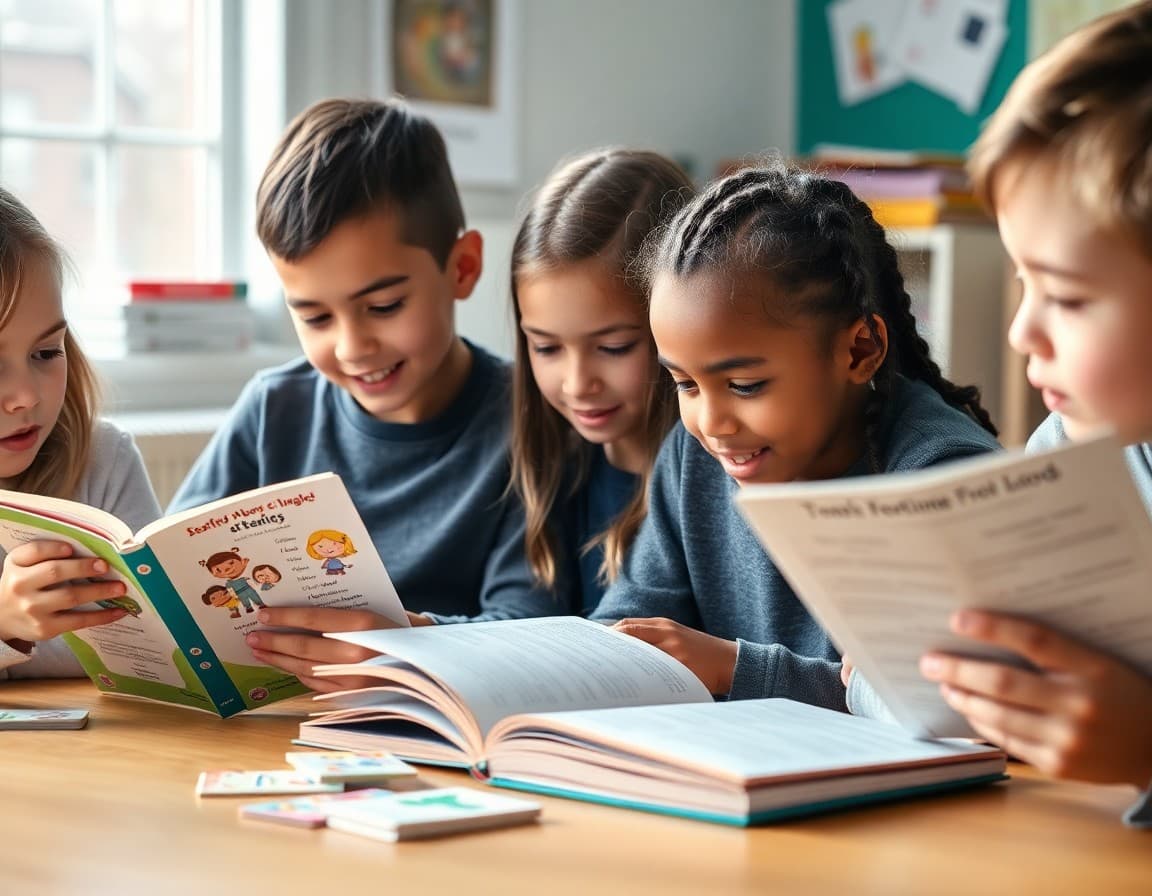
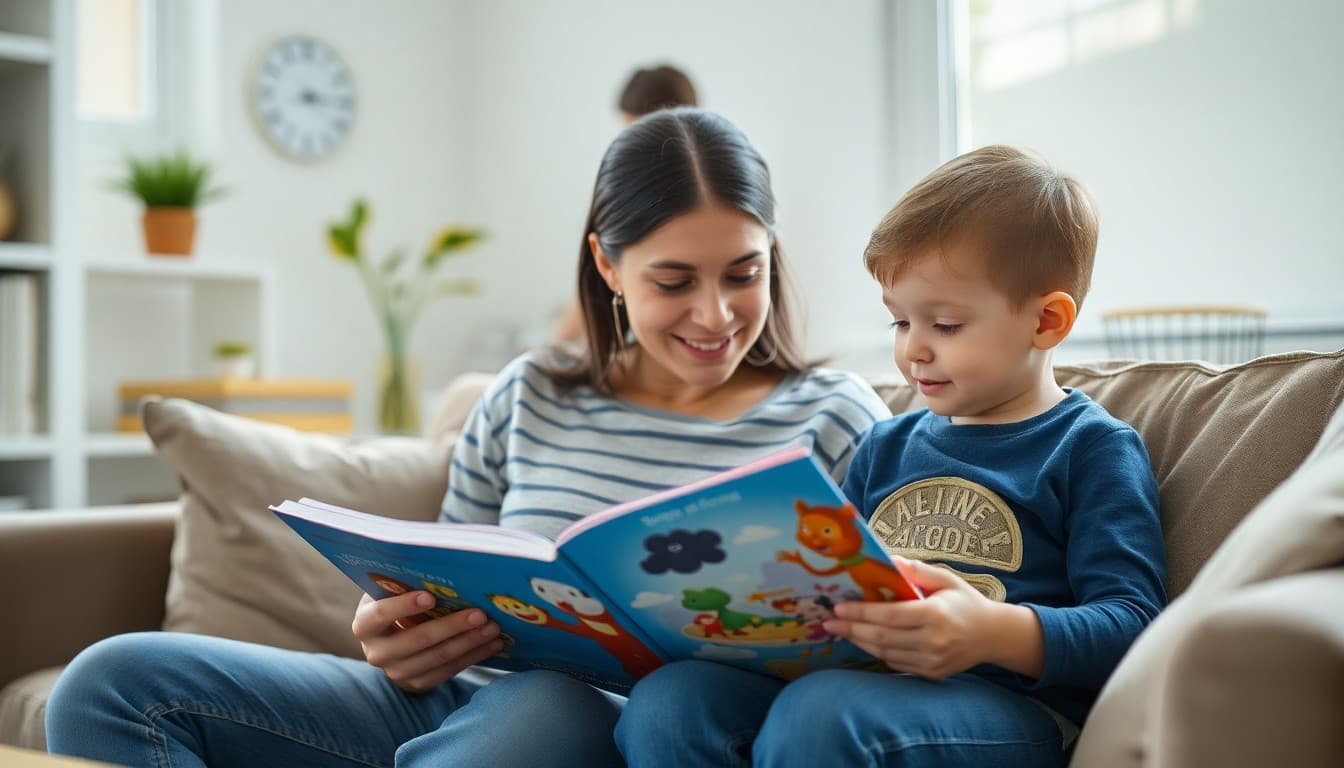
Reading instruction is among the most important things happening in a homeschool, especially for students ages 4 to 8. When homeschool families share a reading program, whether through a co-op, a structured curriculum, or an informal learning group, a newsletter that connects the instruction to home practice makes a measurable difference in student progress.
Communicate the Current Phonics Scope and Sequence
Families need to know what phonics patterns their student is learning so they can reinforce them during daily reading time. A brief statement at the top of each newsletter telling families exactly where you are in the sequence, and where you are going next, gives them a frame of reference. "This week: consonant blends with L (bl, cl, fl, gl, pl, sl). Next week: consonant blends with R" takes four lines and prevents the common scenario where a parent is drilling patterns the student learned three weeks ago.
Include a Home Practice Word List
Each newsletter should include six to ten words that follow the current phonics pattern. These should be decodable words using only patterns the student has already learned plus the new one being introduced. A word list the parent can use for daily flashcard practice or dictation takes up very little newsletter space and delivers significant reinforcement value. Keep the list to words students might actually encounter in real reading, not nonsense words.
Recommend Books at Multiple Levels
Not all students in a reading group are at the same level. Rather than recommending one book, suggest books at three tiers: independent level (student can read mostly on their own), instructional level (student needs some support), and read-aloud level (parent reads to child). Including specific titles at each level serves the full range of learners in your group. For co-ops with mixed ages, leveled recommendations are essential.
Share the Read-Aloud of the Month
Even students who read independently benefit from hearing fluent read-alouds of books above their decoding level. Include a read-aloud recommendation in each newsletter with a brief description of the book and why it is worth reading to students in your age range. Reading aloud to children beyond the age they can read independently builds vocabulary, comprehension, and a love of books that carries into adulthood.
Sample Newsletter Section
This Week in Reading (Week 12):
New phonics pattern: Long vowel sounds with silent E (make, lake, pine, hope). When a word ends in E, the vowel in the middle says its name rather than its sound. Practice words this week: cake, bike, hope, tune, game, like, stove, cube.
Independent Reading Recommendation: "Frog and Toad Are Friends" by Arnold Lobel. Short chapters, high-frequency words, great for new readers building confidence.
Read-Aloud of the Month: "Charlotte's Web" by E.B. White. Perfect for ages 5-10. Chapters are short enough for an evening session and the vocabulary is rich without being inaccessible.
Address the Research on Learning to Read
Many homeschool families feel anxious when their child is not reading at the same pace as a neighbor's child or a standard grade-level benchmark. A newsletter that periodically includes a brief, grounded summary of the research, citing the wide normal range for reading readiness, helps parents stay calm. Boys often develop reading skills 6 to 12 months later than girls. Late-talkers frequently become strong readers once they start, but on a shifted timeline. This information belongs in your newsletter because worried parents are less effective reading teachers.
Help Parents Understand What Strong Reading Looks Like
Parents who have not been trained in reading instruction sometimes expect smooth, fast reading from students who are still in early phonics. A brief newsletter section describing what normal progress looks like at each stage calibrates expectations. "At the consonant blend stage, it is normal for students to sound out each letter in the blend separately before blending smoothly. This is not a problem. It means the phonics instruction is working."
Build Toward a Reading Celebration
At the end of each reading term, plan a reading celebration and announce it through the newsletter. Students who completed their reading logs, finished a certain number of books, or reached a milestone in the phonics sequence deserve recognition. Daystage makes it easy to design a visually appealing celebration announcement that families can share with grandparents and extended family, turning a reading milestone into a community moment.
Get one newsletter idea every week.
Free. For teachers. No spam.
Frequently asked questions
What phonics information should a homeschool reading newsletter include?
Include the specific phonics pattern or decoding rule being taught this week, a list of five to eight words that follow the pattern for home practice, and a short reading passage where the pattern appears frequently. If you are using a structured phonics program like All About Reading or Logic of English, note the specific lesson number so families know where you are. Include a brief explanation of the rule in parent-friendly language since not all parents are familiar with phonics terminology.
How do I address reading fluency in a newsletter?
Fluency develops through repeated reading of familiar texts. In the newsletter, recommend two or three short passages or books at different reading levels that students can practice reading multiple times. Explain what fluency sounds like at each stage: reading with appropriate speed, accuracy, and expression rather than just decoding words one at a time. A brief tip like 'try having your child read the same short passage three times in a row, timing each reading' gives parents something concrete to do.
How should a homeschool reading newsletter handle reading comprehension?
Suggest open-ended questions families can ask after reading sessions rather than worksheet-style comprehension questions. Questions like 'what confused you in that chapter' or 'what do you think will happen next and why' build deeper comprehension than recall questions. Include one or two specific questions tied to whatever shared read-aloud or book the group is doing together if applicable.
What should a reading newsletter say about struggling readers?
Keep the newsletter focused on general strategies and milestone guidance rather than identifying individual students who are struggling. If a student is significantly behind peers in reading, that conversation belongs in a private parent meeting, not a group newsletter. In the newsletter, include a section on different timelines for learning to read and reassure families that the research shows wide variation is normal, especially for boys and late-talkers.
What newsletter tool is best for a homeschool reading program?
Daystage is a good fit for reading newsletters because you can format phonics word lists and reading recommendations cleanly, embed book cover images, and include links to free decodable readers or read-aloud recordings. Families appreciate being able to click directly through to a resource rather than typing a URL. Daystage's mobile-friendly layout also means parents can reference the phonics patterns on their phone while sitting with their child.

Adi Ackerman
Author
Adi Ackerman is a former classroom teacher and curriculum writer with 8 years in K-8 schools. She writes about school communication, parent engagement, and what actually works in real classrooms.
More for Homeschool
Homeschool Curriculum Newsletter: How to Share Your Curriculum Choices with Your Community
Homeschool · 5 min read
Homeschool Co-op Newsletter Guide: Keeping Member Families Informed and Engaged
Homeschool · 6 min read
Homeschool Assessment and Portfolio Newsletter: How to Communicate Student Progress Without Letter Grades
Homeschool · 6 min read
Ready to send your first newsletter?
3 newsletters free. No credit card. First one ready in under 5 minutes.
Get started free