
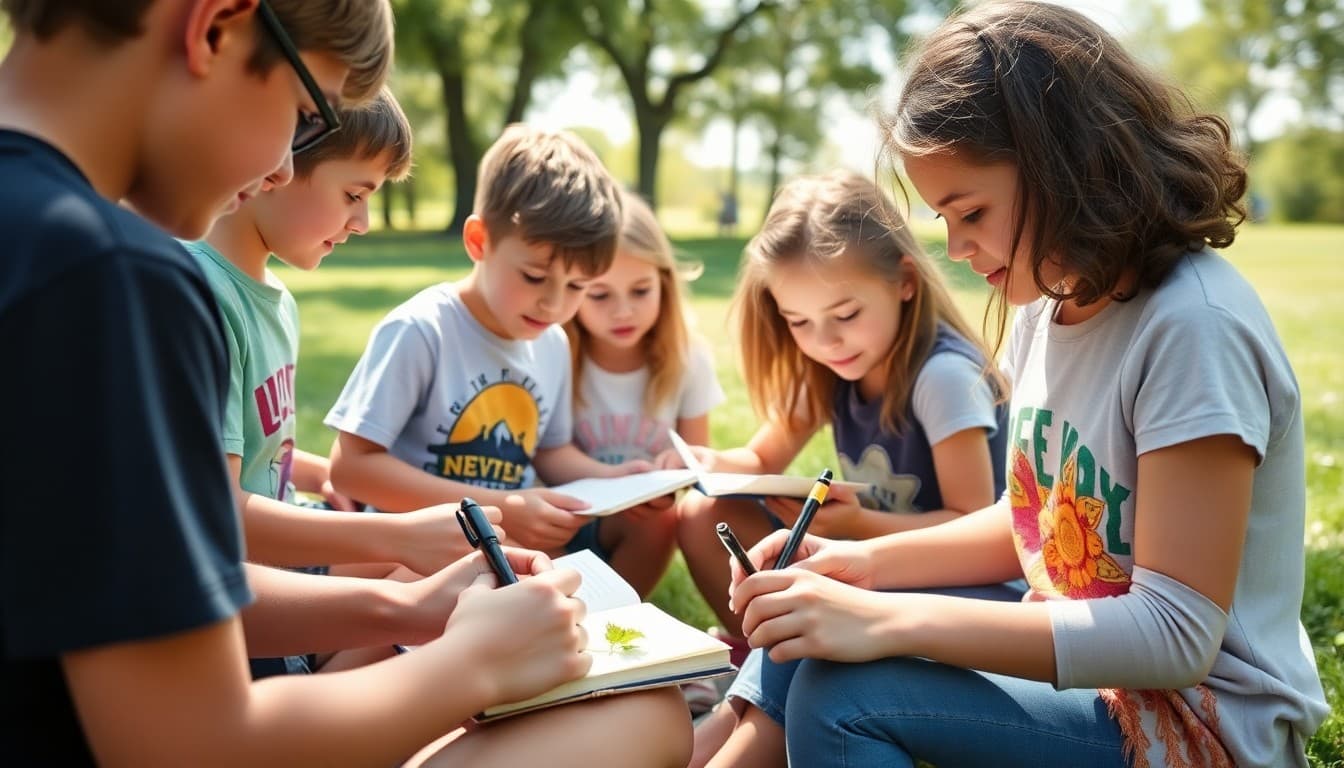
Homeschool Nature Study Newsletter: Outdoor Learning Updates
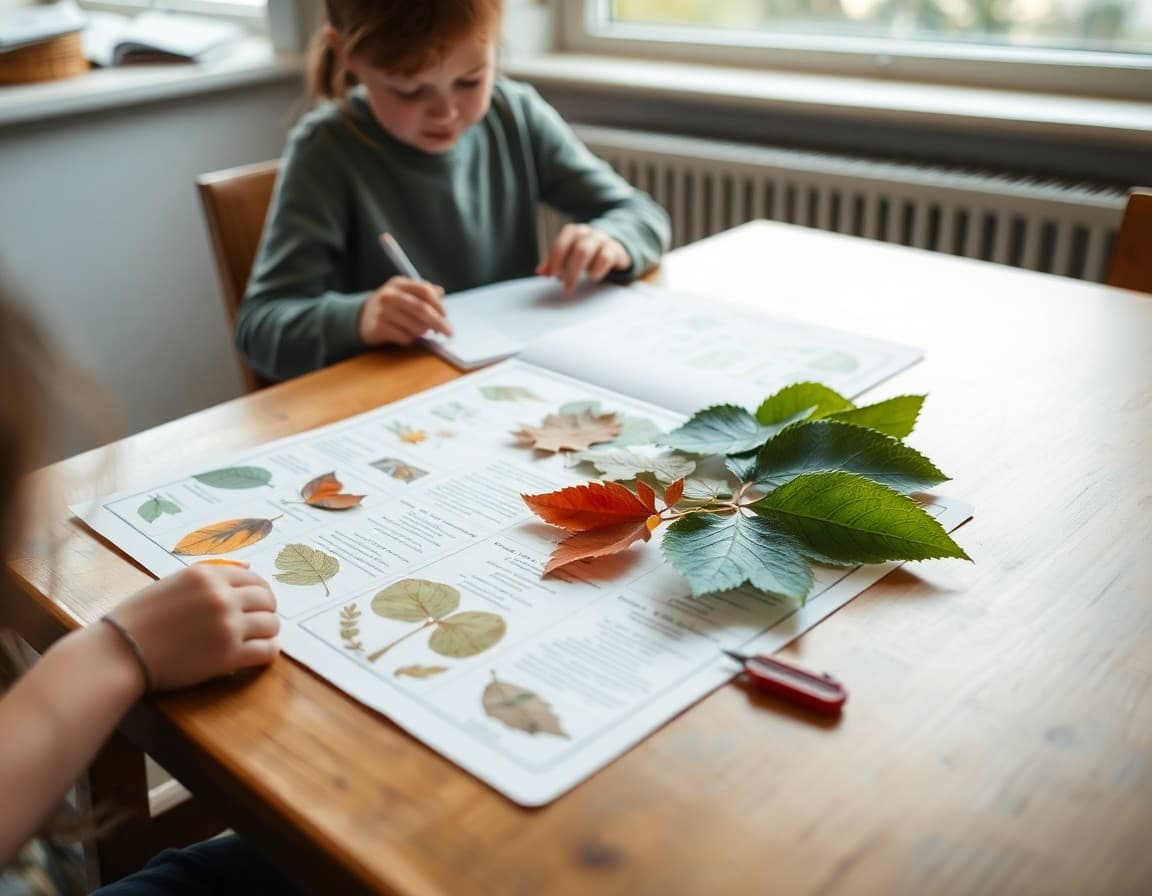
Nature study works best when the whole family is oriented toward what is happening outside right now. A newsletter that helps families know what to look for on their own walks, what to record in their nature journals, and what the co-op group is studying together transforms nature observation from an occasional activity into a daily habit.
Anchor the Newsletter to the Current Season
Open each newsletter with a brief seasonal observation: what is changing outside right now, what natural events are happening this month, and what families should be watching for. "The monarchs are moving through this week. If you see a cluster of orange wings in a tree, that is a roost of butterflies resting before they continue south. This is one of the most spectacular natural events of the fall and it is easy to miss if you are not looking for it." This kind of specific, timely information turns the newsletter into a useful field guide rather than just a logistics update.
Feature One Species Per Issue
Each newsletter should focus on one plant, bird, insect, or other natural subject in depth. Include common and scientific names, key identification features, habitat, range, behavior notes, and what students are likely to observe about this species right now in the current season. A simple identification sketch or photo makes the feature more useful in the field. When the whole group is looking for the same species in the same week, the shared observation creates a natural point of connection at the next meeting.
Provide Nature Journal Prompts
Nature journaling is a skill that develops through practice. Include two or three specific prompts in each newsletter so families have structured starting points for home journal sessions. Prompts should be observation-based rather than knowledge-recall questions: "Go outside in the morning and again in the afternoon. Draw the same tree twice and note every difference you observe between the two visits" or "Find and sketch five different seed types. Note how each seed might travel to a new location." These prompts work for all ages with different levels of detail expected.
Share Field Outing Details
If your nature study group does regular field outings, include full logistics in the newsletter well in advance. Name the location, meeting time, recommended gear, any permits required for the site, and what the group will be studying on the outing. Include a brief contingency plan for rain or extreme weather. For outings in natural areas, mention any safety considerations like staying on trails, appropriate clothing, or what to do if a student needs to leave early.
Sample Newsletter Section
October Focus: Tree Identification by Leaf and Bark
October is the best month in our region for tree identification because the leaf color transformation makes individual tree species easy to distinguish. This month we are focusing on 5 native species: red maple, white oak, tulip poplar, American beech, and black walnut.
Identification tip: Red maple leaves turn brilliant red first. White oak leaves turn deep burgundy and hold on through November. Beech leaves turn golden-bronze and papery. The leaf texture and tree bark are both useful when leaves are not yet colored.
Journal prompt: Find one of the five species above and make a detailed sketch of three leaves from the same branch. Include the bark texture in the corner of your sketch. Note the date and whether the leaves have started changing color.
October Field Outing: Riverside Nature Preserve, October 19, 9:00am. Bring field guides, nature journals, and colored pencils. Wear layers.
Track Phenology as a Group
Phenology is the study of recurring natural events: the first robin of spring, the date the monarchs arrive, the first hard frost. When a group of families tracks these events together year after year, the data becomes genuinely interesting. A section in each newsletter reporting what group members have observed since the last issue, and noting any patterns compared to previous years, builds a shared scientific record that individual families cannot build alone.
Connect Nature Study to Other Subjects
Nature study connects naturally to literature (nature-inspired poetry, natural history reading), art (sketching and watercolor), geography (range maps, habitat understanding), and even math (seed counting, growth measurement, population estimation). A brief note in the newsletter pointing out a cross-curricular connection, like "the migration routes of monarchs are a great opportunity to practice reading range maps in geography," helps families see the broad educational value of the outdoor time.
Build a Community Species List
Over the course of a year, compile a running list of species the group has collectively observed and identified. Share this list periodically in the newsletter. A running list of 50 bird species, 30 wildflowers, 15 tree species, and 20 insect species that families in the group have collectively documented is a tangible record of the learning happening in nature study. Daystage makes it easy to link to a shared document where the list is maintained and updated after each outing.
Get one newsletter idea every week.
Free. For teachers. No spam.
Frequently asked questions
What is nature study in a homeschool context?
Nature study is a Charlotte Mason-inspired approach where students develop scientific observation skills through direct experience with the natural world. Rather than reading about birds in a textbook, students observe birds directly, sketch what they see, and record their observations in nature journals. Over time, this builds naturalist skills, scientific vocabulary, and a personal connection to the living world that textbook-only approaches rarely achieve.
What should a homeschool nature study newsletter include?
Cover the current season's study focus, this month's featured plant or animal species, upcoming field study outings with logistics, nature journal prompts families can use at home, recommended field guides, and any phenology observations the group is tracking. Photos from recent outdoor sessions are one of the most compelling parts of a nature study newsletter. Including a brief identification key or species fact sheet helps families recognize what they are looking at on their own nature walks.
How do I organize nature study around the seasons in a newsletter?
Seasonal organization is natural for nature study because observation subjects change with the seasons. Plan a different focus area for each season: spring migration and wildflowers in March-May, insects and summer pond life in June-August, fall fungi and seed dispersal in September-November, and winter tree identification and bird feeder activity in December-February. The newsletter aligns families with what to look for outdoors at exactly the right time of year.
How do I handle different age groups in a nature study newsletter?
Differentiate by observation depth rather than by different topics. A 6-year-old and a 12-year-old can both observe the same red-tailed hawk, but they will record different levels of detail in their nature journals. Include observation prompts in the newsletter at two levels: a simpler prompt for younger students like 'draw the bird and color the tail feathers' and a more detailed prompt for older students like 'sketch the flight silhouette and note the wing-to-body ratio compared to the crow you observed last month.'
What newsletter tool works well for a nature study group?
Daystage is a natural fit for nature study newsletters because photos are central to the communication and the subject matter generates compelling visual content. Sharing photos of student journal sketches, interesting specimens, and field outing moments makes the newsletter feel like a real record of learning rather than just an announcement of upcoming events. Daystage handles photo layouts cleanly without requiring any design skills.

Adi Ackerman
Author
Adi Ackerman is a former classroom teacher and curriculum writer with 8 years in K-8 schools. She writes about school communication, parent engagement, and what actually works in real classrooms.
More for Homeschool
Homeschool Co-op Newsletter Guide: Keeping Member Families Informed and Engaged
Homeschool · 6 min read
Homeschool Curriculum Newsletter: How to Share Your Curriculum Choices with Your Community
Homeschool · 5 min read
Homeschool Community Partnership Newsletter: Engaging Local Organizations and Resources
Homeschool · 5 min read
Ready to send your first newsletter?
3 newsletters free. No credit card. First one ready in under 5 minutes.
Get started free