

Homeschool Newsletter: Celebrating Learning Milestones and Student Progress
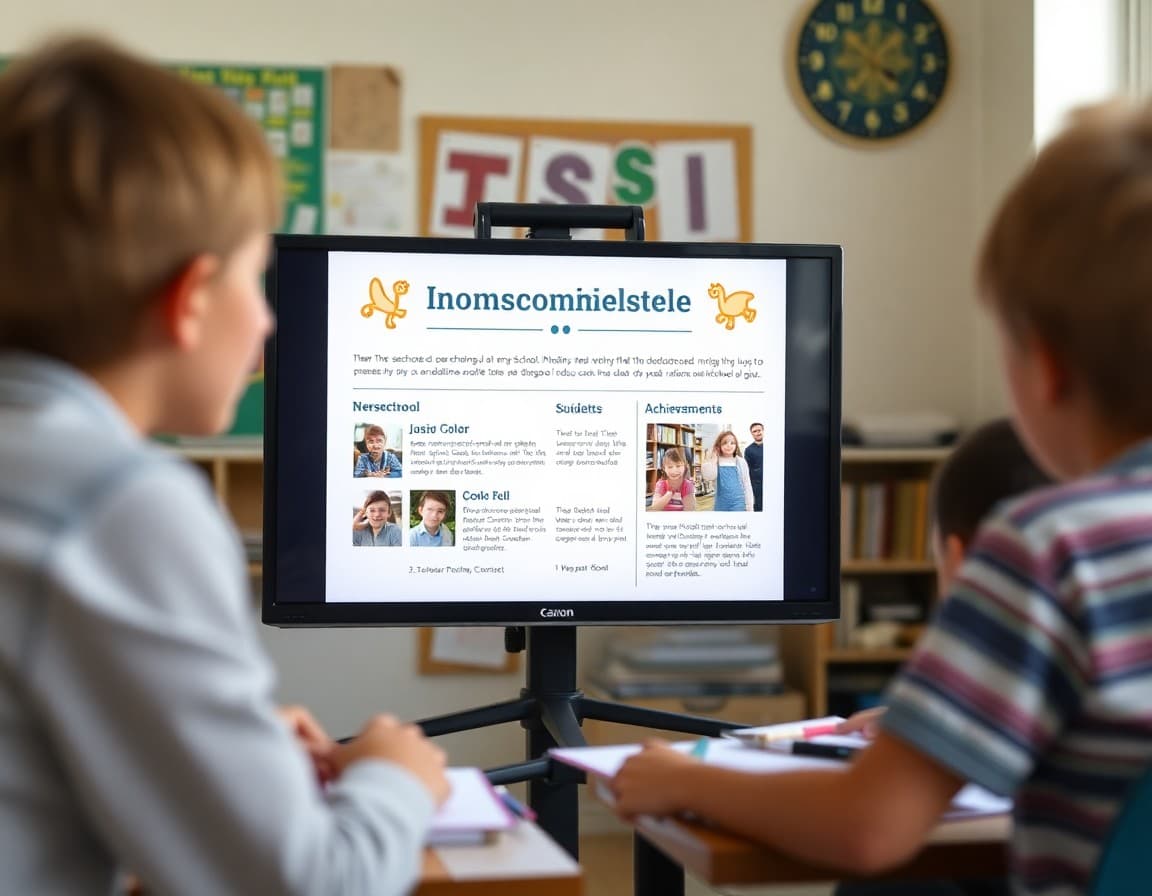
Learning milestones are the moments when the months of patient instruction suddenly produce an obvious, visible result. The child who could not read suddenly reads. The student who avoided writing finally produces a piece they are proud of. The math concept that caused tears for weeks clicks one morning without drama. These moments deserve documentation, and the newsletter is where you give them the record they deserve.
What makes a milestone newsletter different
A regular weekly update covers what happened. A milestone newsletter explains what it means. The milestone newsletter entry goes deeper: where the student was before, what the work looked like during the struggle, what changed, and what the student can do now that they could not do before.
This kind of documentation requires you to have been paying attention not just to the achievement but to the process. Families who maintain a consistent newsletter habit have the context they need because they have been writing about the struggle in real time.
Writing the milestone entry
A good milestone entry has four components. The before: what the student was like before the breakthrough, ideally including a specific moment that illustrates the struggle. The work: what you tried, what methods you used, what the student felt about the challenge. The breakthrough: the specific moment or period when things changed. The after: what the student can do now and how it has affected their learning in other areas.
Here is an example: "For four months, Theo refused to write more than two sentences without shutting down. We tried dictation, oral narration, graphic organizers, sentence starters, and just waiting. Two weeks ago he came downstairs with three paragraphs he had written voluntarily before breakfast. He had been writing a story in secret for weeks. The wall just fell. This week he wrote four pages of a chapter book without being asked."
That is a milestone entry. It has a before, a period of struggle, a specific moment, and an after. It is honest, specific, and genuinely interesting to read.
Student voice in milestone documentation
Ask your student to describe the breakthrough in their own words. Even a short quote is valuable. "I finally just understood that the denominator has to stay the same" is more revealing than any parent's description of a fraction concept. The student's own understanding of how they learned is curriculum documentation in its most direct form.
For younger students, a dictated sentence or two is enough. For older students, asking them to write their own milestone reflection and including it in the newsletter produces some of the best content in any homeschool archive.
Acknowledging the challenges alongside the achievements
The milestone newsletter that only documents victories is incomplete. For every milestone celebrated, note something the student is still working toward. This is not pessimistic, it is honest. Learning is continuous and the challenges give the achievements meaning.
One to two sentences is enough: "We are still working on spelling consistency, which remains a significant challenge for Theo despite the writing breakthrough. The ideas are strong; the mechanical skills are still developing."
Quarterly milestone reviews
A quarterly milestone newsletter that looks across twelve weeks of instruction and documents the most significant breakthroughs for each student is one of the most useful newsletters a homeschool family can send. It gives readers a picture of real growth that weekly updates, focused on individual days and lessons, rarely convey.
These quarterly reviews also serve as natural checkpoints for the family. What have students actually mastered? What has been covered but not yet internalized? Where do the next three months need to focus?
Building the milestone archive with Daystage
Daystage keeps your newsletter archive organized so you can review milestone newsletters across years and see the full arc of your students' development. The arc from early reading struggle to independent reading to writing chapter books in secret before breakfast is one of the most compelling stories a homeschool archive can tell. Document it so you can look back at it with your students someday.
Get one newsletter idea every week.
Free. For teachers. No spam.
Frequently asked questions
What counts as a milestone worth featuring in a homeschool newsletter?
Any genuine learning breakthrough qualifies. Reading a first full chapter book. Solving a math problem type that was previously impossible. Writing a complete paragraph without help. Mastering a difficult piece of music. Finishing a long project. The threshold should be: this is something my student could not do before that they can do now.
How do you write about milestones without sounding like you are bragging?
Write about the struggle, not just the achievement. A milestone newsletter entry that describes how hard something was before the breakthrough is honest and interesting. Readers connect with the journey more than the arrival. Include the student's own words about what finally made it click. That approach converts a brag into a story.
Should you document struggles in a milestone newsletter?
Yes. A milestone newsletter that only covers victories is promotional rather than documentary. Brief, honest mentions of where students are still working hard create the contrast that makes milestones meaningful. The reader who knows a student has been working on long division for months appreciates the milestone of mastering it far more than a reader who had no idea there was a challenge.
How often should you send milestone newsletters?
Milestone-focused newsletters work well as quarterly or semester supplements to your regular weekly updates. They provide a deeper look at growth over a period of time and are often more meaningful to readers than weekly updates, which naturally focus on the immediate.
How does Daystage help families share milestones?
Daystage makes it easy to build milestone newsletters with specific student sections, photos of work or moments, and a format that looks polished without requiring design skills. Extended family who receive these newsletters consistently report they are among the most meaningful communications they receive.

Adi Ackerman
Author
Adi Ackerman is a former classroom teacher and curriculum writer with 8 years in K-8 schools. She writes about school communication, parent engagement, and what actually works in real classrooms.
More for Homeschool
Ready to send your first newsletter?
3 newsletters free. No credit card. First one ready in under 5 minutes.
Get started free