

Homeschool Foreign Language Newsletter: Language Learning Updates
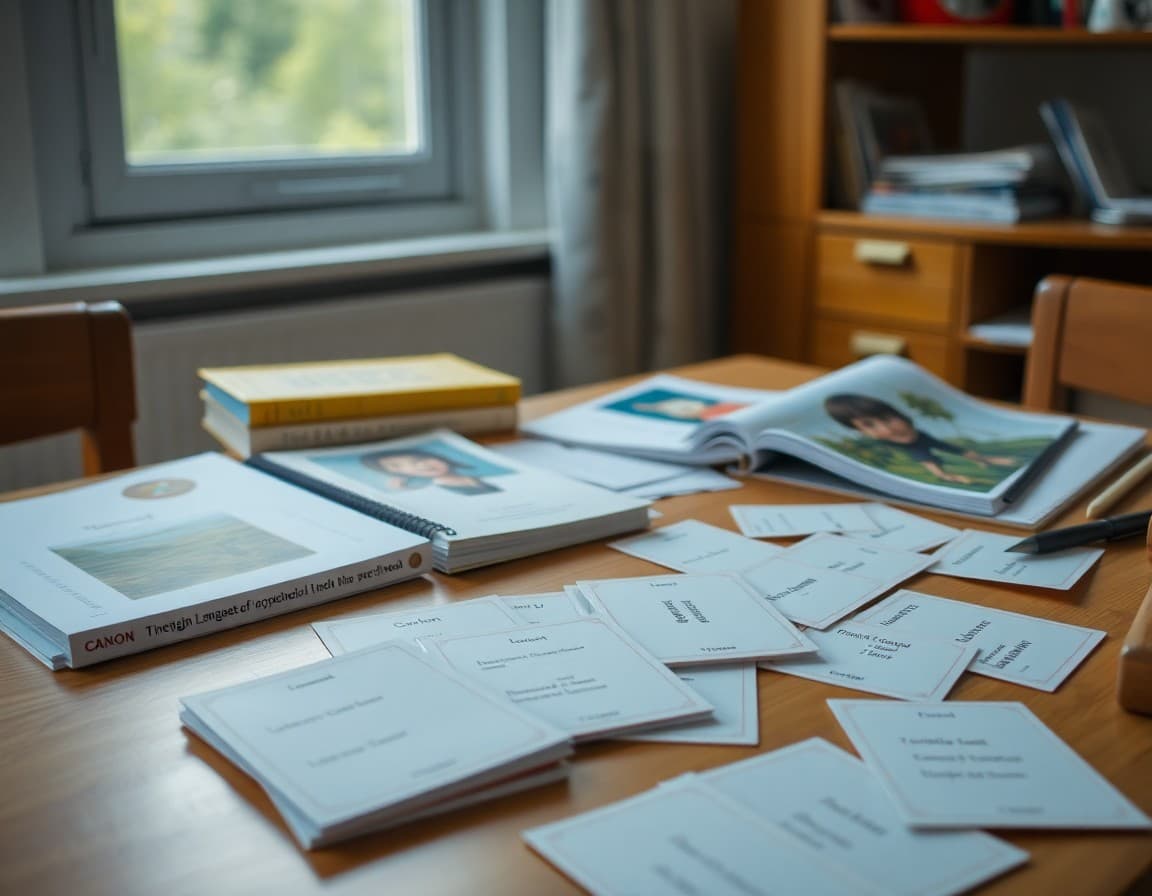
Foreign language instruction is one of the areas where the home environment has the most power to accelerate or impede progress. A student who encounters a new language only at the weekly co-op class but never hears or uses it at home makes very slow progress. A newsletter that equips parents with this week's vocabulary, a short dialogue to practice, and simple immersion strategies at home can meaningfully close the gap between once-a-week instruction and the daily exposure that leads to real fluency.
Open with a Quick Vocabulary Set
The first thing families should see in a foreign language newsletter is the vocabulary they need to know this week. Ten words maximum, each presented in target language with the English translation, and ideally with a one-line example sentence in the target language. Vocabulary presented in a sentence is acquired faster than vocabulary presented as a bare word list because the brain stores words in context, not isolation.
For younger students in early language learning, include a pronunciation guide using familiar English sounds. "The Spanish word 'lluvia' (rain) is pronounced like 'YOO-vee-ah' where the Y sounds like the Y in 'yes'"
Include a Weekly Practice Dialogue
A short dialogue families can practice at home is one of the highest-value elements of a foreign language newsletter. Keep it to six to eight lines and set it in a realistic scenario: a conversation at a market, introducing yourself to a new friend, or asking for help in a store. Present it in the target language first, followed by the English translation, so families can practice with and without the English scaffold.
Suggest a specific time to practice: "Try running through this dialogue once at breakfast or during a car trip this week." Concrete scheduling suggestions are followed more often than open-ended practice recommendations.
Add Cultural Context That Makes the Language Real
Language learning accelerates when students have a genuine connection to the culture behind it. Each newsletter should include a brief cultural note: a holiday celebrated in countries that speak the target language this month, a food or dish with the recipe translated, a famous song or poem with a few lines included, or a note about regional variations in how the language is spoken. Cultural content makes language learning feel meaningful rather than academic.
Suggest Immersion Activities for the Week
True language acquisition happens through immersion, not just formal study. A newsletter section with three or four home immersion activities gives families concrete options. "Watch one episode of a children's show in Spanish on Netflix" or "change your phone language to French for two days" or "listen to this playlist of songs in Mandarin while cooking dinner" are low-effort activities that accumulate significant exposure over weeks and months.
Sample Newsletter Section
This Week in Spanish (Unit 8: Daily Routines)
Vocabulary: despertarse (to wake up), desayunar (to eat breakfast), ducharse (to shower), vestirse (to get dressed), ir a la escuela (to go to school), almorzar (to eat lunch), hacer la tarea (to do homework), cenar (to eat dinner), acostarse (to go to bed)
Practice Dialogue:
A: ¿A qué hora te despiertas normalmente? (What time do you normally wake up?)
B: Me despierto a las siete. (I wake up at seven.)
A: ¿Desayunas antes de ir a la escuela? (Do you eat breakfast before going to school?)
B: Sí, siempre desayuno. (Yes, I always eat breakfast.)
Cultural note: In Spain and many Latin American countries, the main meal of the day is lunch (la comida), eaten between 2:00 and 4:00pm. Dinner is lighter and eaten much later, often after 9:00pm.
Celebrate Fluency Milestones
Language learning milestones deserve recognition: a student's first full conversation in the target language, their first complete paragraph written without English assistance, or the first time they understood a native speaker in a real interaction. A newsletter section that celebrates these moments builds motivation and signals to families that the daily practice work is producing real results.
Connect to Language Learning Resources
Include one resource recommendation per newsletter for families who want to extend learning beyond the co-op instruction. Duolingo for daily vocabulary maintenance, Language Transfer podcasts for grammar acquisition, or a specific children's book in the target language available at the library are the kinds of accessible resources families will actually use. Daystage makes it easy to include these as clickable links within the newsletter, which dramatically increases the likelihood that families follow through on them.
Get one newsletter idea every week.
Free. For teachers. No spam.
Frequently asked questions
What should a homeschool foreign language newsletter include?
Cover the current lesson topic and vocabulary set, pronunciation guidance for new words, a short dialogue or phrase set families can practice at home, cultural context that enriches the language learning, any upcoming conversation opportunities or events, and notes on how to support language immersion at home. If your group follows a specific curriculum, include the lesson number so families can reference their own materials.
How do I include the target language in a newsletter without alienating beginners?
Use a bilingual format: include phrases or vocabulary in the target language with the translation immediately following. This approach serves families at all proficiency levels. Beginners can focus on the translation while advanced students focus on the target language text. A brief pronunciation guide using familiar English sounds is more helpful than technical phonetic notation for most homeschool families.
How do I help families practice foreign language at home through a newsletter?
Include a weekly dialogue or conversation set of five to eight lines that families can role-play during meals or car trips. Keep the dialogues short and situationally relevant: ordering food, asking directions, describing a daily routine. When the dialogue matches real-world scenarios, children are more likely to actually remember and use the phrases. A note suggesting 10 minutes of practice per day is more motivating than open-ended practice encouragement.
How do I address different proficiency levels within one foreign language newsletter?
Many homeschool foreign language groups span beginners through intermediate learners. A newsletter organized by skill track, with a beginner section covering basic vocabulary and a more advanced section covering grammar and longer conversation patterns, serves everyone without making beginners feel overwhelmed or advanced students feel bored. You can also include enrichment content like a recipe, song, or news headline in the target language that only more advanced students will engage with fully.
What newsletter tool works best for a foreign language program?
Daystage handles multilingual text well and lets you format bilingual sections cleanly. Being able to include audio links to pronunciation recordings, YouTube clips of native speakers, or cultural content from the target language country makes the newsletter more than a vocabulary sheet. Daystage's mobile-friendly format means parents and students can pull up this week's dialogue on their phones during a car ride and practice on the go.

Adi Ackerman
Author
Adi Ackerman is a former classroom teacher and curriculum writer with 8 years in K-8 schools. She writes about school communication, parent engagement, and what actually works in real classrooms.
More for Homeschool
Homeschool Curriculum Newsletter: How to Share Your Curriculum Choices with Your Community
Homeschool · 5 min read
Homeschool Co-op Newsletter Guide: Keeping Member Families Informed and Engaged
Homeschool · 6 min read
Homeschool Language Arts Newsletter: Reading and Writing Progress
Homeschool · 6 min read
Ready to send your first newsletter?
3 newsletters free. No credit card. First one ready in under 5 minutes.
Get started free