
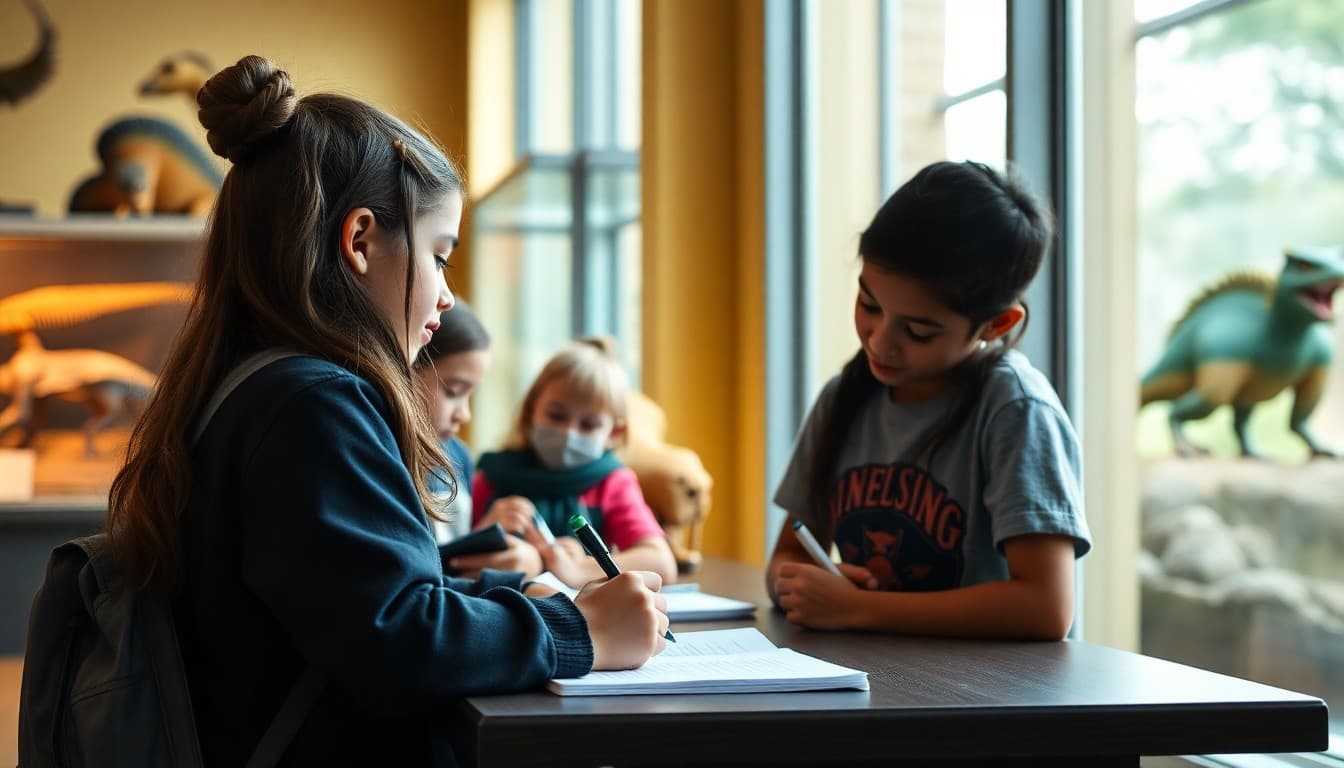
Homeschool Field Trip Recap: Newsletter Template for Learning Outside the Home
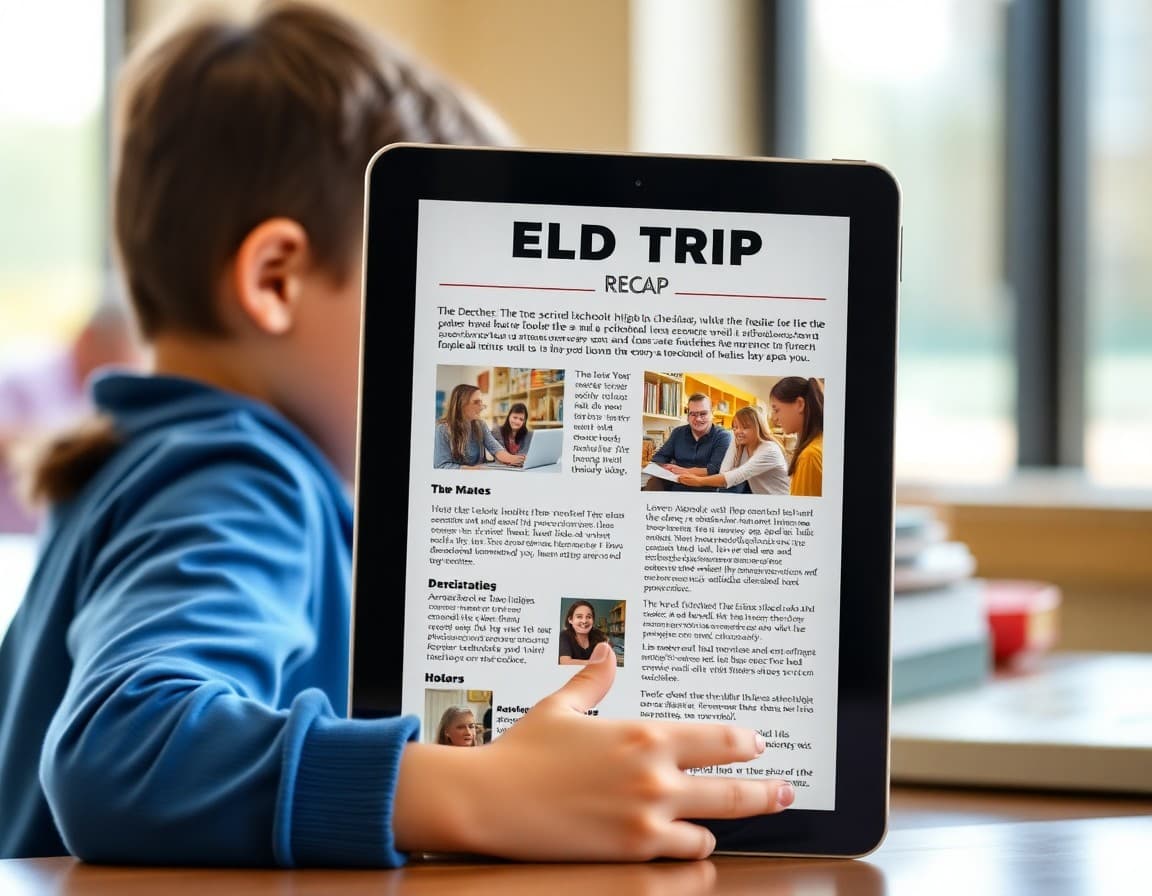
Field trips are often the most memorable learning experiences in a homeschool year. A well-written field trip recap newsletter preserves that memory in a form that is useful for documentation, meaningful for family readers, and genuinely interesting to look back on years later. The difference between a good recap and a mediocre one is almost entirely about specificity.
The difference between a recap and a summary
"We went to the natural history museum and learned about dinosaurs" is a summary. "At the natural history museum, Eli spent forty minutes at the sauropod exhibit because he wanted to understand how an animal that large could eat enough to survive. He compared the neck length of three different species and developed his own hypothesis about why longer necks evolved in some lineages and not others. He brought it up at dinner" is a recap.
Specificity is what transforms a field trip entry from a checkbox into documentation of genuine learning. The learning is always happening in the details.
What to note during the trip
Bring a small notebook or keep notes in your phone. You do not need formal notes. A word or phrase that will trigger your memory of an observation, a direct quote from a student, or a sketch of something they pointed out is enough. Five minutes of note-taking during the trip saves thirty minutes of memory reconstruction that evening.
If your students are old enough, ask them to keep their own brief field journals during the visit. Their observations will often be different from yours and frequently more interesting. Student observations make the best newsletter content.
A template for field trip recaps
Open with where you went and the curriculum connection: why this trip mattered for what you are studying. Then cover what each student focused on, including any observations, questions, or connections they made. Include one or two direct student quotes if you have them. Note any follow-up learning the trip inspired. Close with what is coming next from this experience.
Here is an example opening: "We spent Wednesday at the Smithsonian Natural History Museum as part of our unit on evolution. We planned to focus on the human origins hall, but Marcus got stopped by the whale skeleton in the entry and spent an hour there instead. That turned into an impromptu unit on marine mammal evolution."
That opening tells the reader where you went, what you intended, what actually happened, and what it led to. Four sentences that set up everything that follows.
Documenting the unexpected
The best field trip recaps document what was not planned. The exhibit that captured your student's imagination when you expected them to walk past it. The question they asked the docent that turned into a fifteen-minute conversation. The connection they made between something they saw and something they had read the previous week.
These moments are what distinguish homeschool learning from institutional schooling. Document them specifically and let the newsletter show what learning looks like when students are free to follow genuine curiosity.
Adding photos and student work
Field trip recaps benefit from photos more than any other newsletter type. A photo of a student sketching an exhibit, standing in front of something that captivated them, or holding something they made during a hands-on program adds visual evidence to the narrative documentation. Include two to three photos with captions that extend the written content rather than just describing what is already visible in the image.
Building a field trip archive over time
A year's worth of field trip recaps is one of the most valuable components of a homeschool portfolio. It shows learning in its most vivid form: real places, real observations, real questions, and real follow-through. Evaluators and college admissions readers who encounter a well-documented field trip archive understand immediately that genuine education is happening.
Daystage keeps every newsletter in an organized archive. Field trip recaps sent consistently throughout the year accumulate into a record that tells the story of your students' education more vividly than any curriculum list.
Get one newsletter idea every week.
Free. For teachers. No spam.
Frequently asked questions
What should a homeschool field trip recap newsletter include?
A good field trip recap covers where you went and why it connected to your curriculum, what each student focused on or found most interesting, specific observations or discoveries made, what questions came up during the visit, and what follow-up learning the trip inspired. The recap should be specific enough that someone who was not there can understand what was actually learned.
How long should a field trip recap newsletter be?
A standalone field trip recap newsletter should be readable in five to eight minutes. Three to five hundred words of body content, organized by student or by topic, is usually sufficient. If you are including the recap in a regular weekly newsletter, keep it to two hundred to three hundred words for the field trip section.
Should you write the field trip recap the same day or wait?
The same day or the day after produces the best recaps. Memory fades quickly and the specific details that make field trip documentation valuable are the first things to go. Even brief notes taken during the trip are enough to produce a detailed recap if written promptly.
How do you involve students in writing the field trip recap?
Ask students to dictate one sentence about their favorite observation or discovery from the trip. For older students, a paragraph written in their own words is even better. Student voice in the recap shifts it from a parent's report to a genuine learning record and is consistently the most-read section of any newsletter.
How does Daystage help families document field trips in newsletters?
Daystage makes it easy to build a field trip recap newsletter with photos, student quotes, and organized sections for different aspects of the visit. The platform handles formatting so the recap looks polished without design work, and the archive preserves the record permanently.

Adi Ackerman
Author
Adi Ackerman is a former classroom teacher and curriculum writer with 8 years in K-8 schools. She writes about school communication, parent engagement, and what actually works in real classrooms.
More for Homeschool
Homeschool Field Trip Newsletter: Planning, Communicating, and Documenting Learning Outside the Home
Homeschool · 5 min read
Homeschool Newsletter: Celebrating Learning Milestones and Student Progress
Homeschool · 6 min read
Homeschool Weekly Update Newsletter: A Simple Format That Actually Gets Read
Homeschool · 5 min read
Ready to send your first newsletter?
3 newsletters free. No credit card. First one ready in under 5 minutes.
Get started free