

Homeschool Book Club Newsletter: Reading Together as a Community
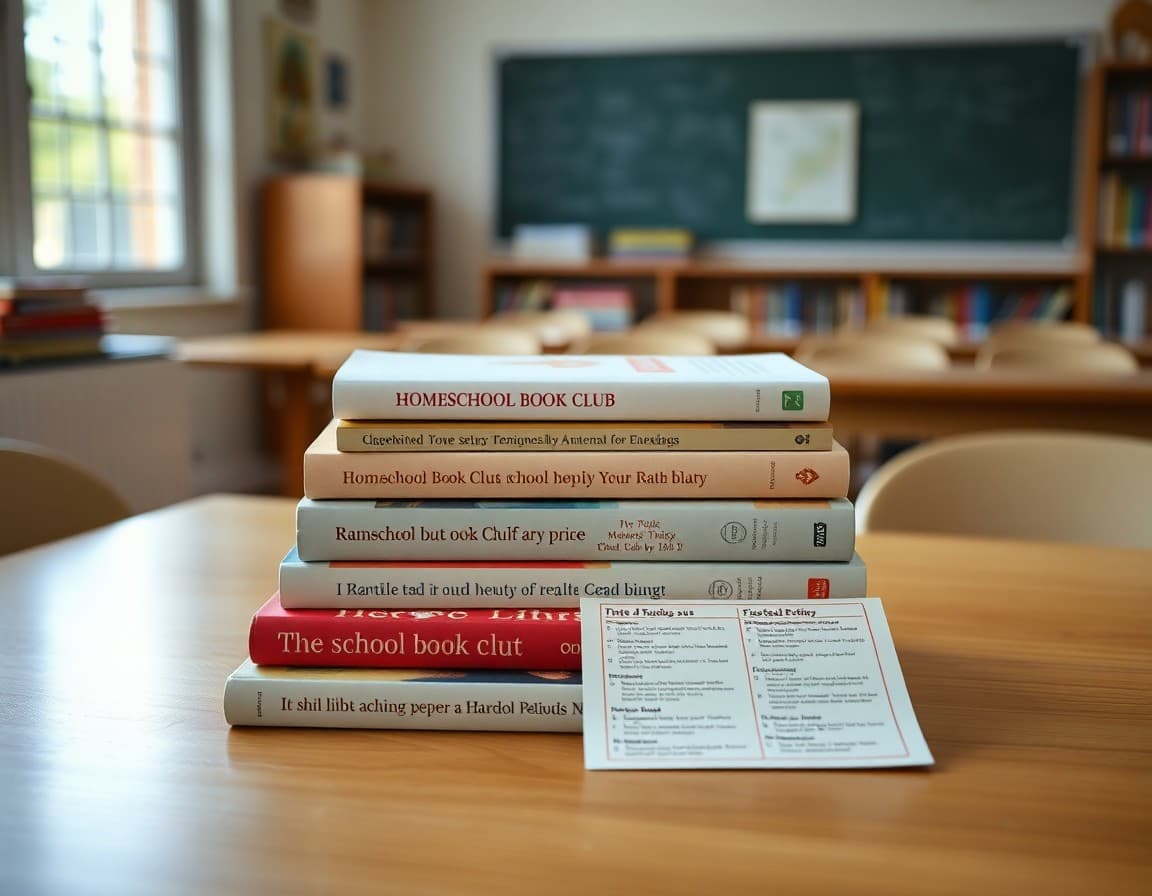
A homeschool book club lives or dies on preparation. When families show up having read the same pages and thought about the same questions, the discussion has energy. When half the group forgot to read or did not know which chapters to cover, you spend the meeting catching people up instead of digging into ideas. A well-crafted newsletter solves the preparation problem.
Send the Pre-Meeting Newsletter One Week Ahead
Families need at least a week to finish their reading and do any discussion prep. Sending the newsletter two or three days before the meeting does not give enough runway, especially for families with packed schedules. One week out gives everyone time to fit in the last few chapters and think about the questions you have included.
The pre-meeting newsletter has one main goal: get families ready to participate. Keep everything focused on that. Skip the announcements that can wait until after the meeting and use the space for discussion resources instead.
Write Discussion Questions That Actually Start Conversations
The best discussion questions do not have a single right answer. Instead of "What happened in chapter 12?" try "Would you have made the same choice as the main character? What would you have done differently?" Questions that connect the book to personal experience, current events, or moral dilemmas generate the most engagement across different age groups.
Include five to seven questions. Not every question will resonate with every family, but having a range means facilitators can pick what works for their child's age and the flow of the conversation. Mark one or two questions as "for older readers" if your club spans a wide age range.
Add Context That Deepens the Reading
A short paragraph about the author's background or the historical setting of the book gives families something to reference while reading. If your book is set during the Civil War, a four-sentence description of the specific events the story references helps families connect the fiction to real history. This context section takes 10 minutes to write and noticeably improves the quality of discussions.
Sample Pre-Meeting Newsletter Section
Here is an example for a book club reading "Island of the Blue Dolphins":
This Month's Reading: Chapters 12-20. Focus especially on how Karana's relationship with the wild dog changes across these chapters.
Discussion Questions: What does Karana give up by choosing to stay on the island? Why do you think she decides to befriend the dog instead of hunting it? How does the author show loneliness without Karana ever saying she is lonely? What would be the hardest part of her situation for you personally?
Context: The story is based on the true experience of the "Lone Woman of San Nicolas Island," a Nicoleño woman who lived alone on the island for 18 years in the 1800s. The real woman's name was never recorded.
Post-Meeting Follow-Up Newsletter
A brief follow-up within two days of the meeting keeps the reading community connected. Recap two or three interesting points from the discussion, thank anyone who facilitated or brought snacks, and announce the next book with enough time for families to acquire a copy. If someone made a particularly insightful observation during the meeting, ask their permission to include it in the newsletter. Being quoted by name gives children and parents a sense of ownership in the club.
Build a Reading List for the Year
Publishing a full reading list at the start of the year allows families to purchase or reserve library copies in advance. It also helps families see the scope and variety of what you are reading together. When you can say "this year we are reading fiction, nonfiction, historical, and contemporary titles across four genres," it makes the club feel more intentional. Share this list in your first newsletter of the year and keep it accessible in a linked document.
Celebrate Readers in the Newsletter
Highlight a reader each month. Ask one student three questions about the book and include their answers in the newsletter: What did you think of the ending? Which character would you most want to meet? What are you hoping to read next? Children take pride in seeing their name and thoughts in print, and it gives other families a way to connect with kids they might not know as well yet.
Keep the Newsletter Skimmable
Parents are busy. A book club newsletter that takes five minutes to read will get skipped. Use clear headers, short paragraphs, and bullet points for the discussion questions. Daystage makes it easy to structure newsletters so the most important information, like the reading assignment and meeting time, appears at the top where it gets seen even by parents who only read the first paragraph.
Get one newsletter idea every week.
Free. For teachers. No spam.
Frequently asked questions
How often should a homeschool book club send a newsletter?
Monthly works well for most homeschool book clubs since meetings typically happen once a month. Send the newsletter a week before each meeting with discussion questions, a reminder of the reading assignment, and any prep activities. A brief follow-up after the meeting with highlights and the next book selection keeps engagement high between sessions.
What should a homeschool book club newsletter include?
Cover the current book title and reading assignment, discussion questions for the upcoming meeting, any related activities or crafts families can do at home, meeting logistics, and a preview of the next book. If you include a short author bio or historical context for the book's setting, it helps families have richer conversations at the meeting.
How do I choose books for different age groups in one newsletter?
Many homeschool book clubs serve mixed ages. One approach is to choose one anchor book per meeting that older students read in full while younger students read an abridged or picture book version on the same theme. The newsletter can list both titles with age recommendations and separate discussion questions tailored to each reading level.
How can a newsletter help parents facilitate better book discussions?
Include five to seven open-ended discussion questions in each newsletter. Frame questions around themes, character decisions, and connections to real life rather than plot recall. A short facilitator tip, like 'if the group goes quiet, ask which character they would want as a best friend and why,' gives less experienced discussion leaders something concrete to try.
What tool works best for a homeschool book club newsletter?
Daystage is a strong choice because you can embed cover images of the current book, include formatted discussion question lists, and track readership. Knowing who opened the newsletter lets you follow up personally with families who might have missed the reading assignment before the meeting, which improves discussion quality for everyone.

Adi Ackerman
Author
Adi Ackerman is a former classroom teacher and curriculum writer with 8 years in K-8 schools. She writes about school communication, parent engagement, and what actually works in real classrooms.
More for Homeschool
Homeschool Co-op Newsletter Guide: Keeping Member Families Informed and Engaged
Homeschool · 6 min read
Homeschool Curriculum Newsletter: How to Share Your Curriculum Choices with Your Community
Homeschool · 5 min read
Homeschool Community Partnership Newsletter: Engaging Local Organizations and Resources
Homeschool · 5 min read
Ready to send your first newsletter?
3 newsletters free. No credit card. First one ready in under 5 minutes.
Get started free