
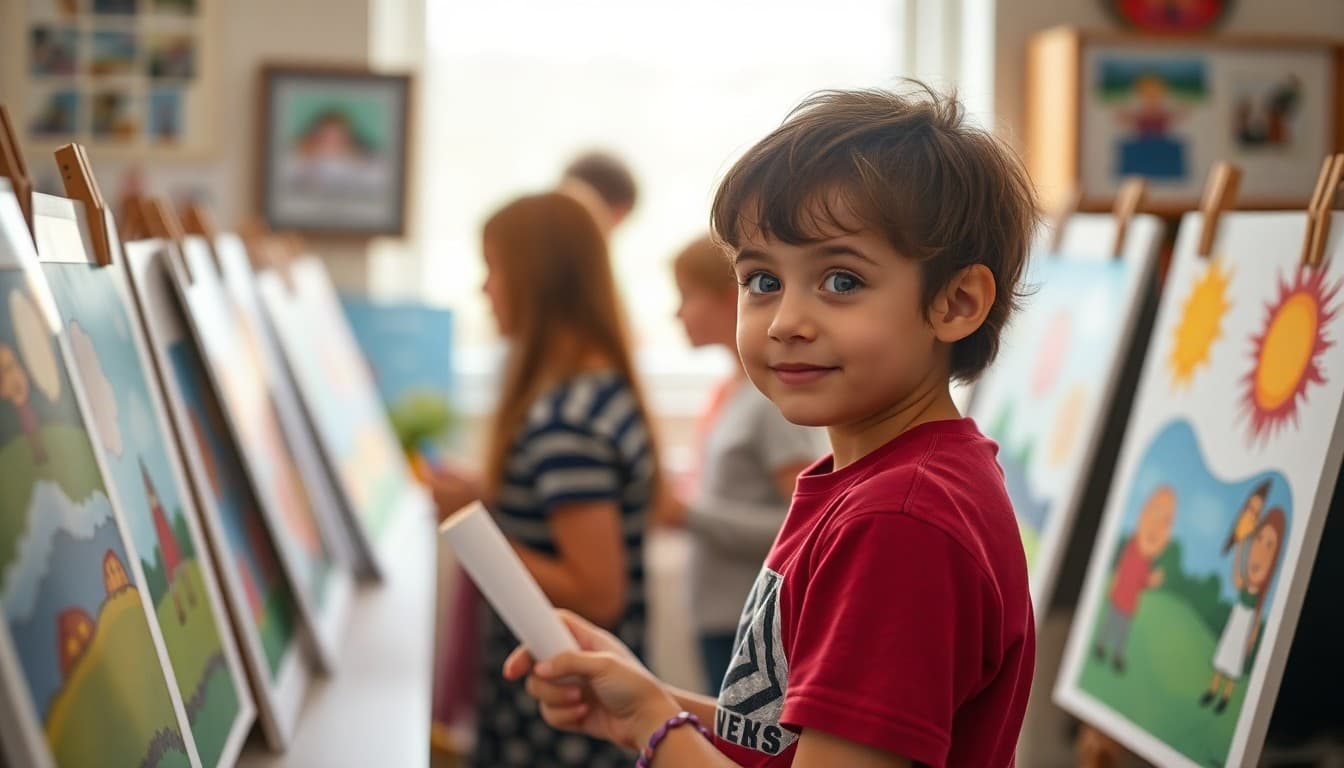
Homeschool Art Program Newsletter: Celebrating Creative Projects
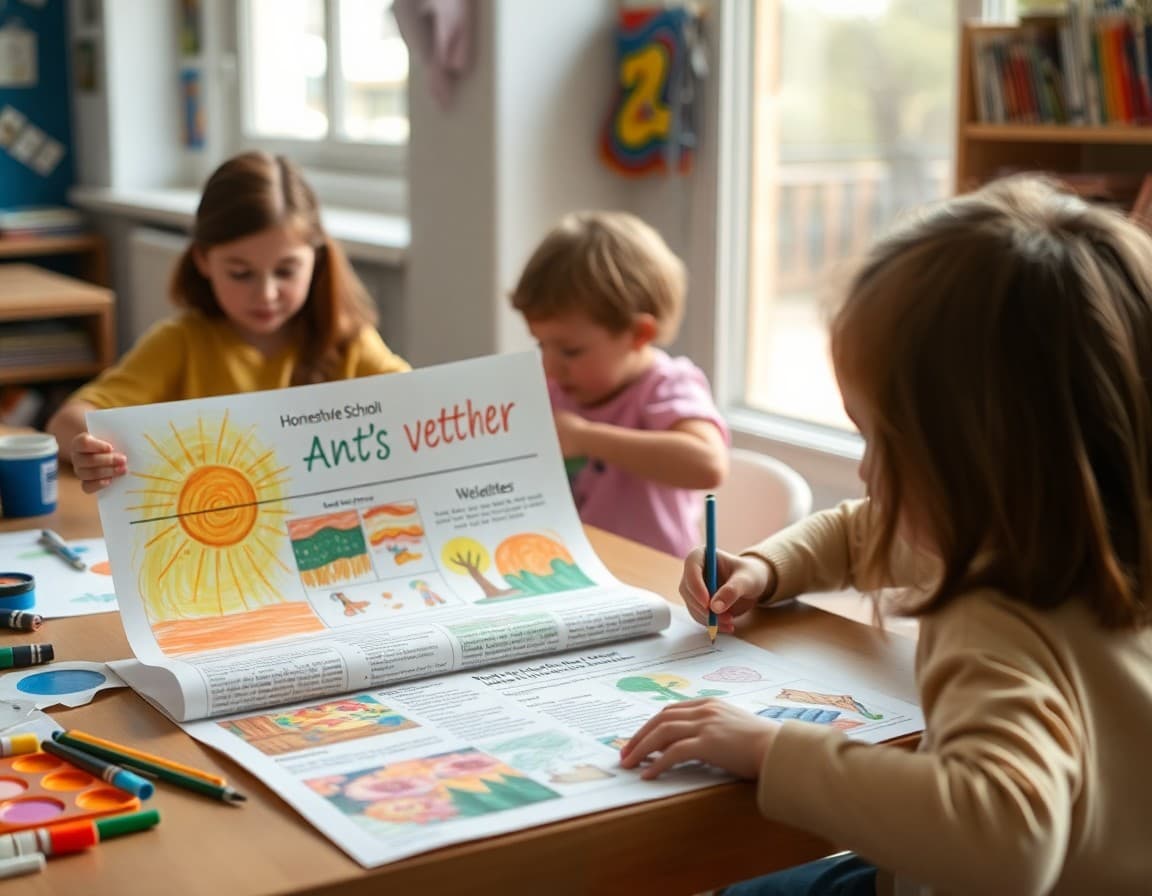
Art education in a homeschool setting ranges from a dedicated co-op class led by a trained artist to informal family projects that happen when inspiration strikes. Whatever your format, a regular newsletter creates accountability, builds community around the program, and gives families something to show for the time they invest in creative education.
Connect Each Project to an Artist or Movement
Art instruction is richer when students understand the tradition they are working in. When you teach watercolor techniques, connect them to Winslow Homer. When you work with geometric abstraction, introduce Mondrian. Even a three-sentence background note in the newsletter gives students context that transforms a craft project into art education. Parents who did not study art history appreciate these connections because they give them something substantive to discuss with their children.
Describe the Technique in Plain Terms
Not every parent reading your newsletter has an art background. A brief, clear explanation of what students are learning to do, and why it matters in the broader history of art, makes the newsletter accessible to everyone. "This month we are learning wet-on-wet watercolor, where you apply paint to paper that is already damp. This technique creates soft, blended edges that dry-brush painting cannot achieve" gives parents exactly enough information to understand what their child is working on.
List Materials Clearly with Lead Time
Surprise materials requirements are one of the most common complaints from parents in homeschool art programs. If the next project requires 140lb cold press watercolor paper specifically because student-grade copy paper will buckle, say that clearly and say it two weeks ahead. Include the dimensions needed and whether dollar store alternatives will work or whether the project requires specific materials to succeed.
Feature Student Work in Every Newsletter
Art newsletters without student work photos miss the biggest engagement opportunity available. Families share these newsletters when their child's work is featured. Extended family members subscribe. Students take more pride in their work when they know it might appear in the newsletter. Include two or three project photos per issue with a brief description of the technique used and what the student was practicing. Keep captions short: "Emma practiced value contrast using a 6B pencil on her still life drawing."
Sample Newsletter Section
This Month: Impressionism and Broken Color
We are exploring the Impressionist technique of using small, separate brushstrokes of color side by side to create the impression of light and movement. Think Monet's Water Lilies or Renoir's outdoor scenes. Rather than blending paint on the canvas, the Impressionists let the viewer's eye do the blending.
This week's project: Students will create a small landscape painting (8"x10") using broken color technique and round brushes sizes 4 and 8. We will be working in acrylic this month since it dries faster than oil and is easier to manage at a co-op table.
Materials needed: Acrylic set with at least 12 colors, round brushes size 4 and 8, 8"x10" canvas or canvas board. Available at Michael's for approximately $18 total. A 40% off coupon is usually available on the Michael's app.
Announce Upcoming Art Shows
An end-of-year or end-of-semester art show is one of the most motivating events in a homeschool art program. Announce it early in the newsletter so students know their work will be displayed and families can plan to attend. Include what students need to prepare, display requirements, and whether food or a simple reception is planned. Students who know an audience is coming tend to put more care into their work throughout the term.
Include Art Appreciation Resources
Extend the learning beyond the co-op session by recommending accessible resources families can explore at home. Google Arts and Culture lets families take virtual museum tours and view artworks at high resolution for free. Khan Academy has free art history courses for older students. A monthly recommendation of one museum or online art resource is a small addition to the newsletter that families use more than they let on.
Close Each Newsletter with the Next Project Preview
The preview of the next project is often the most-read section of an art newsletter. When students know what is coming, they think about it between sessions. "Next month we start clay sculpting. Students can start collecting inspiration photos of animals or objects they want to sculpt" gives students a creative task to do before the next meeting and builds anticipation. Daystage makes it easy to include a preview photo of artist reference material that makes the next project feel real and exciting.
Get one newsletter idea every week.
Free. For teachers. No spam.
Frequently asked questions
What should a homeschool art program newsletter include?
Cover the medium or technique being studied, the artist or art movement being explored, any materials families need to have on hand, project descriptions with photos when available, and upcoming projects or art show dates. Including a brief connection to art history or cultural context for each technique makes the program feel substantive rather than purely craft-based.
How do I share student artwork in a newsletter?
Always get explicit written permission from parents before publishing photos of student artwork, especially if it includes photos of the student themselves. A permission form at the start of the year that covers newsletter publication, social media, and any art show promotion is easier than asking individually each time. Include the student's first name and grade when you share a piece so other families can connect the work to a real person in the group.
How do I explain art techniques to non-artist parents in a newsletter?
Use plain language and concrete descriptions rather than technical art terminology. Instead of 'we are exploring chiaroscuro,' try 'we are learning how to shade from light to dark to make objects look three-dimensional.' When you do use technical terms, define them in a single sentence. Parents do not need to become artists themselves, but understanding what their child is learning helps them have meaningful conversations about it.
How do I communicate supply requirements without burdening families?
Give at least two weeks' notice for any special materials needed. Create a simple materials list with brand names, sizes, and approximate costs when relevant. Link to purchasing options if possible. For families on tight budgets, always include lower-cost alternatives. A $0.99 watercolor set from a dollar store works fine for most elementary art lessons, and saying so removes financial stress.
What newsletter tool works best for a visual subject like art?
Daystage is particularly well-suited for art program newsletters because it handles photos well and displays them cleanly on both desktop and mobile. Adding images of student work, artist reference examples, and technique demonstrations takes just a few clicks, which matters when you are an art teacher, not a newsletter designer. Families respond much more strongly to newsletters with project photos than to text-only updates.

Adi Ackerman
Author
Adi Ackerman is a former classroom teacher and curriculum writer with 8 years in K-8 schools. She writes about school communication, parent engagement, and what actually works in real classrooms.
More for Homeschool
Homeschool Co-op Newsletter Guide: Keeping Member Families Informed and Engaged
Homeschool · 6 min read
Homeschool Curriculum Newsletter: How to Share Your Curriculum Choices with Your Community
Homeschool · 5 min read
Homeschool Community Partnership Newsletter: Engaging Local Organizations and Resources
Homeschool · 5 min read
Ready to send your first newsletter?
3 newsletters free. No credit card. First one ready in under 5 minutes.
Get started free