
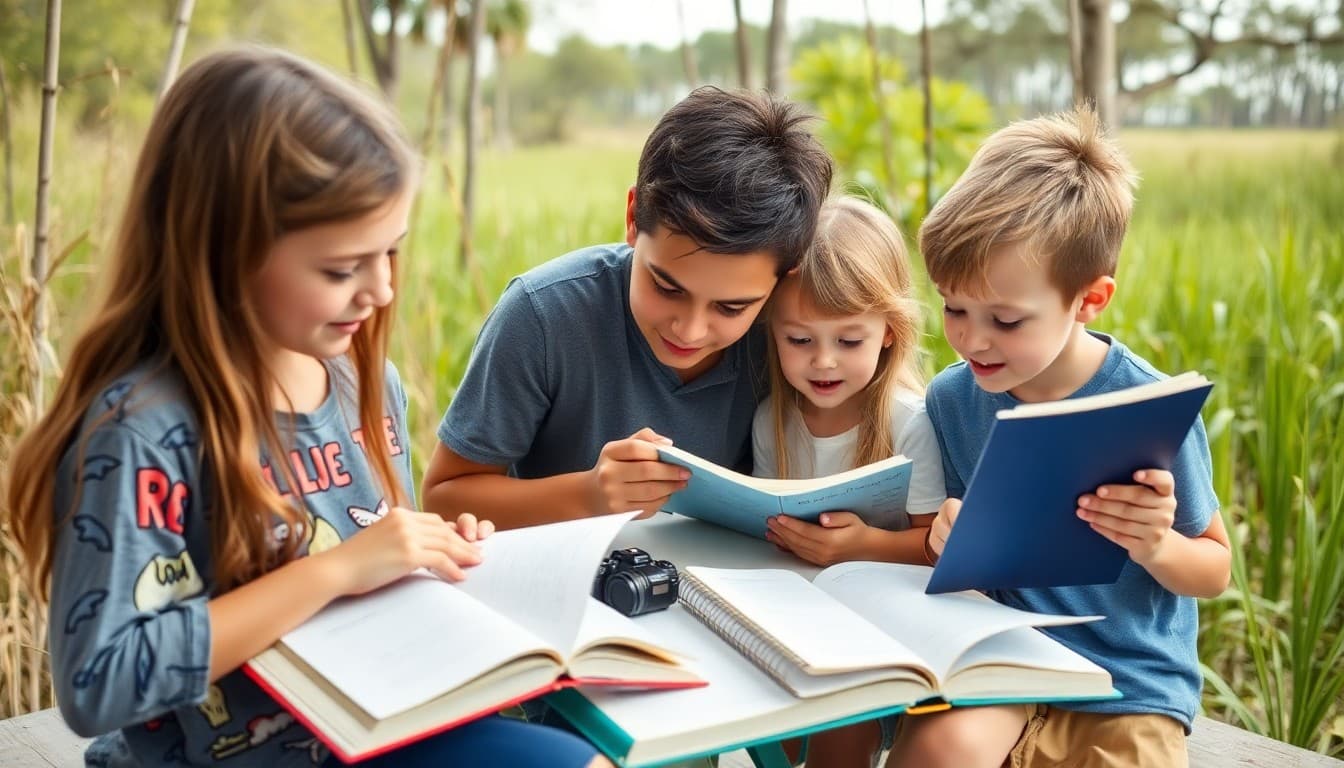
Florida Homeschool Newsletter: Local Resources and Guide for Families
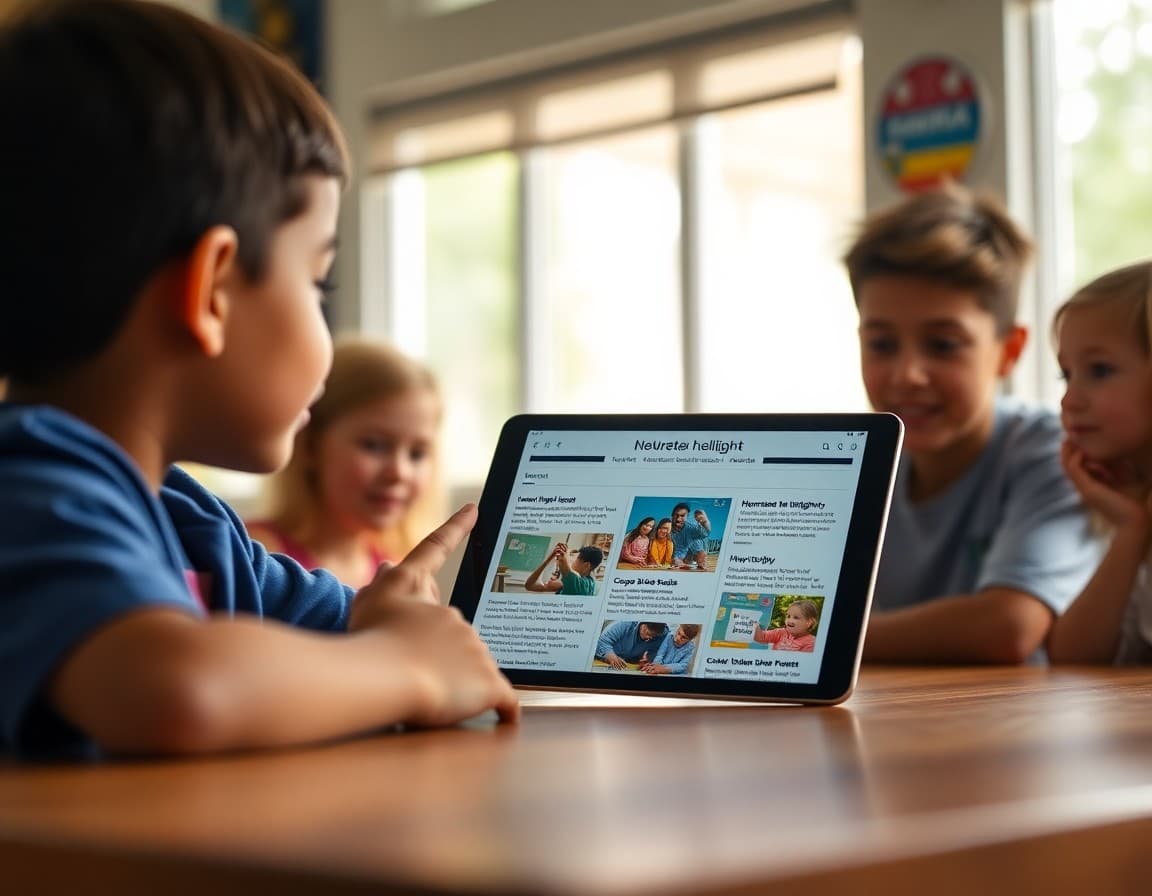
Florida has one of the largest homeschool populations in the country, and the infrastructure around it reflects that scale. The FPEA convention, dozens of regional co-ops, and a legal framework that balances accountability with family freedom all make Florida a strong state for homeschool education. A regular newsletter helps Florida families document learning efficiently and stay connected to their community.
Florida's portfolio and evaluation requirements
Florida requires both a maintained portfolio and an annual evaluation. This is a meaningful documentation requirement, and families who build the newsletter habit early find it makes both tasks much simpler. The newsletter becomes the activity log and serves as supporting documentation for the portfolio.
Your newsletter archive, organized by date and covering required subjects consistently, gives the evaluator a clear picture of your program. When a Florida-certified teacher reviews your portfolio, a year of newsletters showing regular instruction across reading, writing, mathematics, science, and social studies tells the story effectively.
What Florida's unique environment adds to learning
Florida's ecosystems are unlike those anywhere else in the continental United States. The Everglades, the Florida Keys coral reef system, freshwater spring ecosystems, coastal barrier islands, and karst geography all provide extraordinary science curriculum content. Families who build nature study into their program have rich newsletter material throughout the year.
Florida's marine biology opportunities are exceptional. Families near the coast can study tidal zones, seagrass ecosystems, and marine mammal behavior as part of their science curriculum. The Florida Aquarium, Mote Marine Laboratory, and Everglades National Park all support formal educational visits.
Florida history and culture
Florida's history is layered. Indigenous cultures including the Calusa, Timucua, Seminole, and Miccosukee peoples all have significant histories in the state. Spanish colonization, the Seminole Wars, Civil War history, and Florida's role in the space age all provide rich content. The Kennedy Space Center is one of the most significant educational destinations in the state for families interested in science, history, and technology.
Florida's archaeological sites, historic forts like Castillo de San Marcos, and natural history museums offer field trip destinations that complement formal curriculum across multiple subjects.
Working with Florida co-ops
Florida's co-ops range from small faith-based groups to large secular programs with hundreds of enrolled students. Many co-ops offer lab sciences, foreign languages, fine arts, and physical education alongside core academic classes. Finding a co-op that fits your family's philosophy and schedule is worth the research time.
Co-op classes deserve documentation in your newsletter. A brief entry noting what your student is covering in their co-op chemistry lab or writing workshop adds depth to your activity log and shows instruction that would be difficult to provide at home alone.
The annual evaluation as a documentation checkpoint
Florida's annual evaluation requirement creates a natural rhythm for portfolio review and documentation. The newsletter habit supports this rhythm by producing a consistent record throughout the year rather than requiring families to reconstruct learning from memory when evaluation time arrives.
Many Florida families who go through their first portfolio evaluation say the biggest challenge was organizing documentation they had but had not been keeping systematically. Starting a newsletter from the first week of your program solves this problem permanently.
Sending newsletters your community reads
Florida homeschool families often have wide networks that include other homeschool families, grandparents in other states, and co-op teachers. A newsletter that keeps all of these readers informed consolidates communication that might otherwise happen across multiple channels.
Daystage makes the sending part simple. Once your template is set up, building a newsletter takes fifteen to twenty minutes. The platform handles formatting and list management so you can focus on the content.
Get one newsletter idea every week.
Free. For teachers. No spam.
Frequently asked questions
What are Florida's homeschool requirements?
Florida requires parents to file a notice of intent with the school district superintendent within 30 days of establishing a home education program. Families must maintain a portfolio of records and materials and have the student evaluated annually by one of several approved methods, including a standardized test, portfolio review by a certified teacher, or other approved evaluation.
What goes into a Florida homeschool portfolio?
Florida's portfolio requirement includes a log of educational activities and samples of the student's work. The log should show that instruction is occurring regularly and that required subjects are being covered. Newsletters that document learning activities function as natural log entries and strengthen the portfolio.
What annual evaluation options do Florida families have?
Florida families can meet the annual evaluation requirement through standardized testing, portfolio review by a Florida-certified teacher, a mental health professional evaluation, a state-licensed psychologist evaluation, or by having a teacher submit a written evaluation. The portfolio route is popular because it showcases the full range of a student's work.
What homeschool co-ops exist in Florida?
Florida has one of the largest homeschool communities in the country with active co-ops across the state. Florida Parent Educators Association (FPEA) hosts an annual convention that draws thousands of families. Regional co-ops in Tampa, Orlando, Miami, Jacksonville, and the Panhandle serve families in every part of the state.
How does Daystage help Florida homeschool families?
Daystage makes it easy to send newsletters that serve as your activity log, your community communication, and your portfolio support documentation simultaneously. Florida families building portfolios can use Daystage newsletters as organized, dated records of instruction across all subjects.

Adi Ackerman
Author
Adi Ackerman is a former classroom teacher and curriculum writer with 8 years in K-8 schools. She writes about school communication, parent engagement, and what actually works in real classrooms.
More for Homeschool
Ready to send your first newsletter?
3 newsletters free. No credit card. First one ready in under 5 minutes.
Get started free