
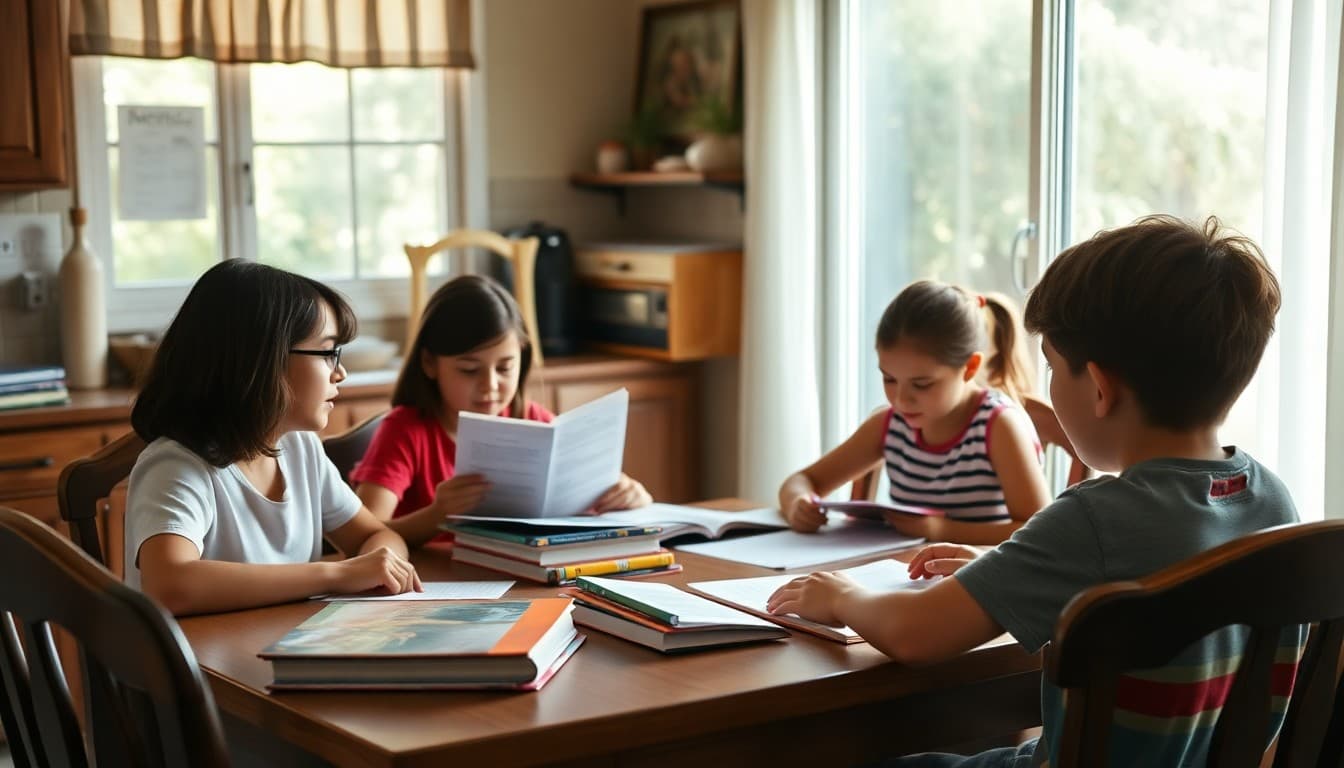
California Homeschool Newsletter: Local Resources and Guide for Families
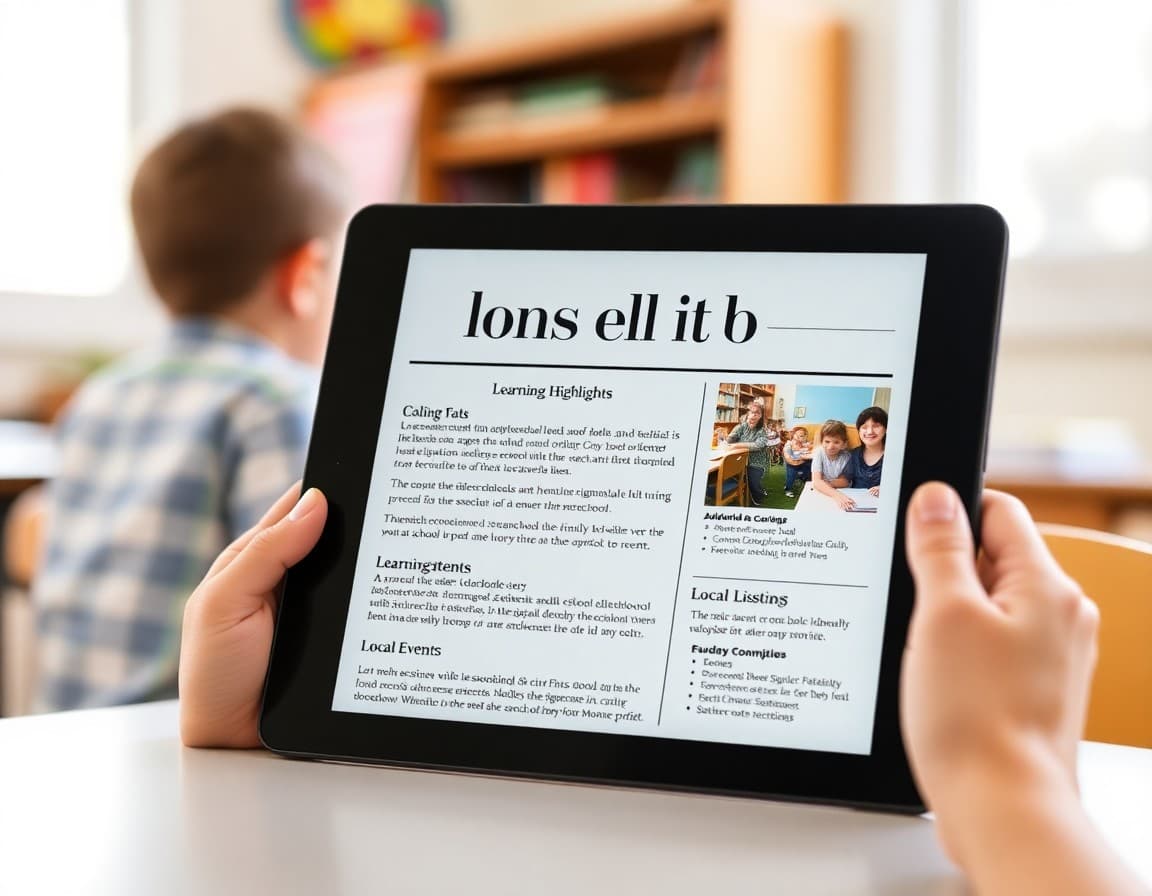
California has a larger homeschool population than any other state, and the community that has developed around it reflects that scale. From classical academies to project-based co-ops to unschooling families, the range of educational approaches in California is extraordinary. Whatever your approach, a consistent newsletter helps you document learning, connect with your community, and build an archive that tells the story of your students' education.
Navigating the Private School Affidavit
Most California homeschool families who want maximum autonomy file a Private School Affidavit. Filing makes your home a private school in the eyes of the state. The annual filing window runs October 1 through 15 each year. After filing, you have full responsibility for curriculum, instruction, and record-keeping.
The records you keep as a private school should include attendance, instructor qualifications, and a course of study. A newsletter archive is not a formal record requirement, but it provides excellent supplementary documentation of what students actually learned and how instruction was delivered.
PSPs and umbrella programs
Many California families prefer to work under a private school satellite program. PSPs file the PSA on your behalf, provide support, and often offer structured academic programs. Some PSPs require periodic portfolio submissions or assessments. Newsletters can help you document learning between portfolio reviews and keep your PSP advisor informed about your students' progress.
If your PSP has a community newsletter, consider contributing to it. Sharing what your family is learning builds relationships within the program and gives your students a wider audience for their work.
The geographic diversity of California learning
California's geography is a curriculum in itself. The state runs from desert to alpine, from redwood forests to Mediterranean scrub. Coastal families can study tidal ecology. Sierra Nevada families have access to granite geology, watershed science, and high-altitude ecosystems. Central Valley families live in one of the most productive agricultural regions on earth.
Whatever your region, build local content into your newsletter. "This month we spent two afternoons at the tidepools documenting species, sketching specimens, and reviewing the intertidal zone ecology chapter from our science curriculum" is the kind of entry that shows California-specific learning at its best.
California history as curriculum content
California's history is layered and complex. Native California cultures represent some of the most diverse indigenous populations in North America. Spanish colonization and the mission system left an enduring mark on the state's geography and culture. The Gold Rush transformed the state in a decade. The 20th century brought waves of immigration, a technology revolution, and cultural shifts that reshaped the country.
Families who engage with this history have excellent newsletter content throughout the year. California State Parks, missions, gold country towns, and museums like the California Academy of Sciences, the Getty, and the Oakland Museum all provide field trip destinations worth documenting.
Writing for California's homeschool community
The California homeschool community is large enough that there are usually local events, curriculum fairs, and co-op opportunities worth sharing in your newsletter. Noting what events you attended, what curriculum you discovered, and what decisions you made based on community input helps your readers understand how your family approaches homeschool beyond the academic work itself.
A newsletter format that scales with your family
California families often have multiple children at very different grade levels. A newsletter format that gives each student their own section keeps the documentation clear and makes the newsletter interesting for readers who follow individual students' trajectories. You do not need to write equal amounts about every child every week. Focus on what was most significant for each student.
Sending consistently with the right tools
California has enough homeschool families that you likely have a meaningful community to send your newsletter to. Co-op teachers, PSP advisors, and extended family all benefit from regular updates. Tools like Daystage make the sending fast enough that consistency is sustainable even when the school week gets busy.
Get one newsletter idea every week.
Free. For teachers. No spam.
Frequently asked questions
What are California's homeschool options?
California families can homeschool by filing a Private School Affidavit (PSA) as an independent private school, enrolling in a private school satellite program (PSP) that files under their umbrella, or enrolling in a public charter or independent study program. The PSA route gives families the most autonomy and requires annual filing between October 1 and 15.
Do California homeschool families need to keep records?
Families operating as a private school under a PSA must maintain records including attendance, the names and credentials of instructors, and a course of study. Many families keep detailed documentation to support their status. A newsletter archive supplements these records nicely.
What homeschool co-op options exist in California?
California has hundreds of homeschool co-ops and PSPs across the state. The California Homeschool Network and the HomeSchool Association of California both provide directories and resources. Co-ops vary from classical education programs to project-based learning groups, and many PSPs offer structured academic programs with assessments.
What regional content works well for California homeschool newsletters?
California's biological diversity, geological complexity, Spanish colonial history, mission system, Gold Rush history, and agricultural economy all offer rich content. Families in different regions have access to distinct learning: coastal ecology for Bay Area families, Central Valley agriculture, Sierra Nevada geology, and Southern California's multicultural history.
How does Daystage work for California homeschool families?
Daystage makes it easy to build and send polished newsletters without design work. California families managing PSA documentation can use newsletters as one part of their record-keeping system, while also sharing learning updates with extended family and their homeschool community.

Adi Ackerman
Author
Adi Ackerman is a former classroom teacher and curriculum writer with 8 years in K-8 schools. She writes about school communication, parent engagement, and what actually works in real classrooms.
More for Homeschool
Ready to send your first newsletter?
3 newsletters free. No credit card. First one ready in under 5 minutes.
Get started free