
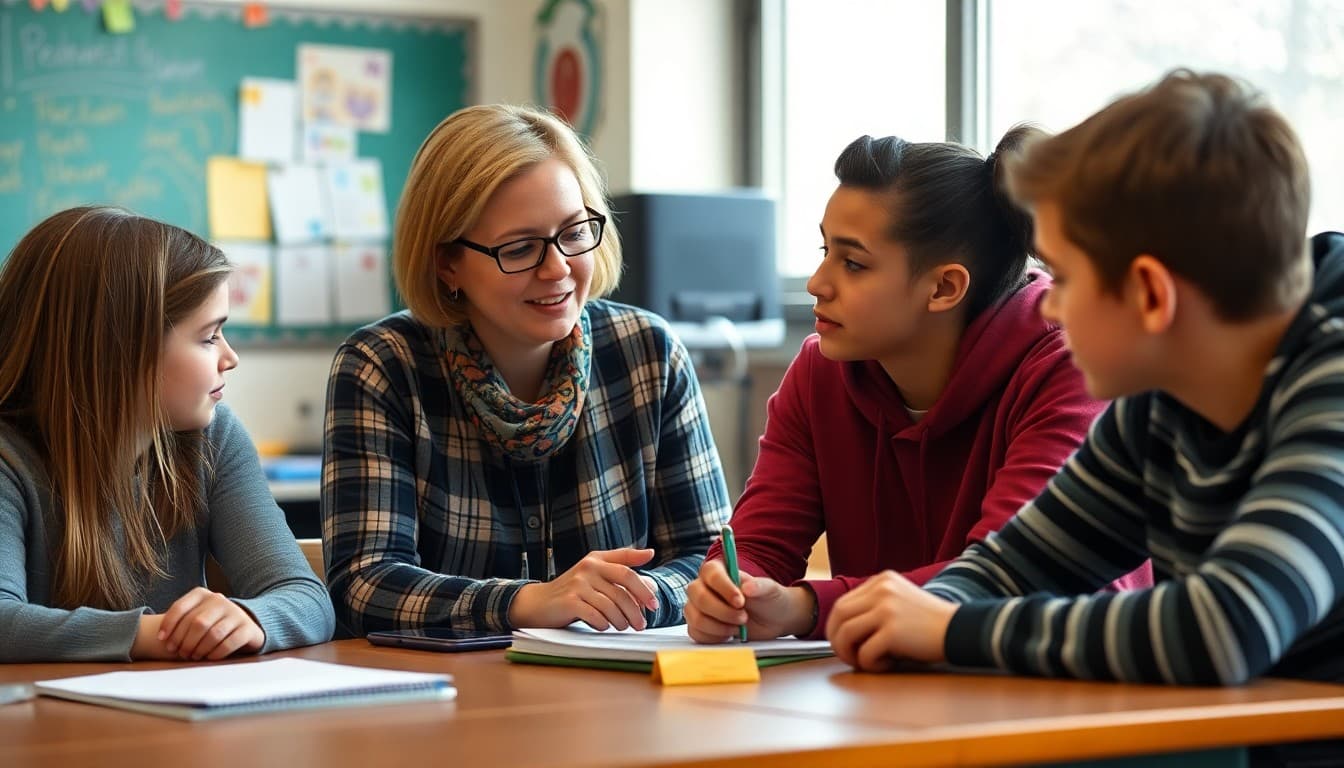
12th Grade Special Education Inclusion Newsletter Guide
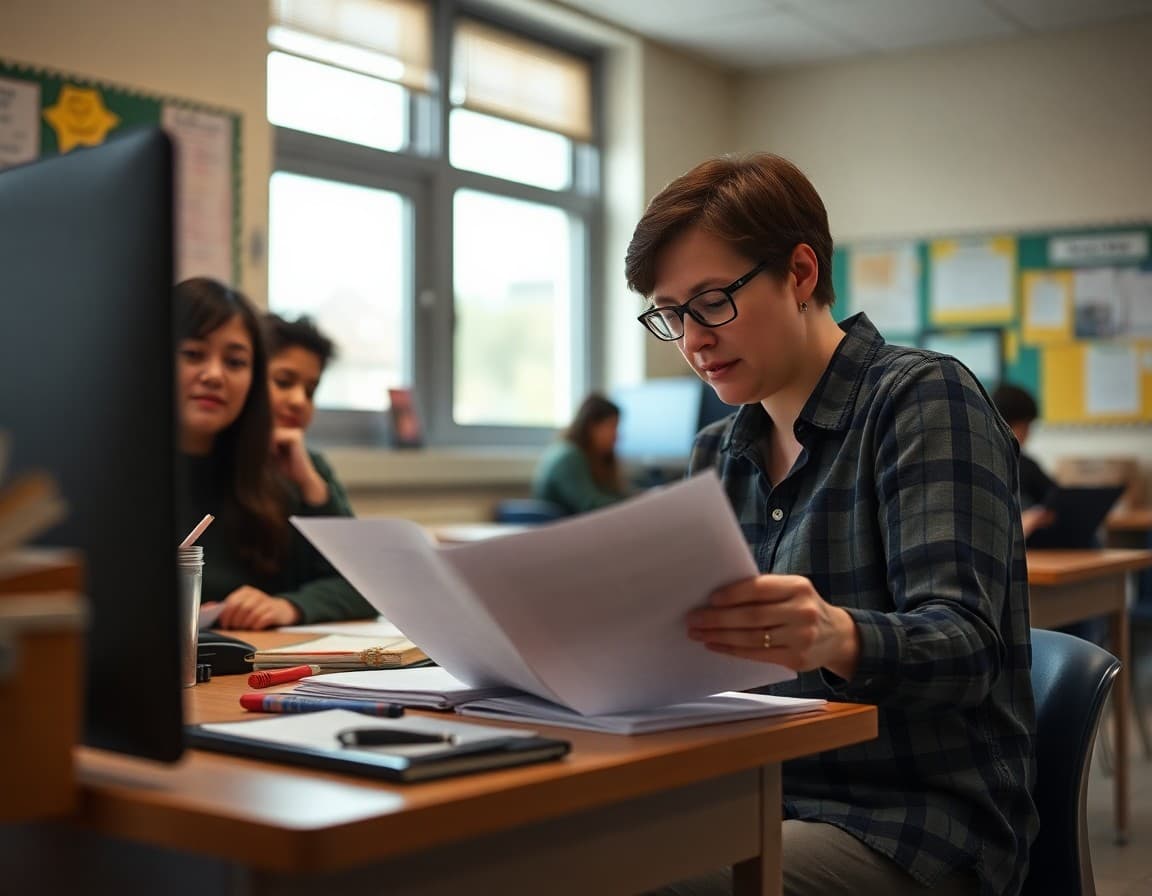
Senior year is the most consequential year in a student's special education journey. The decisions made in 12th grade shape what comes next: college, vocational training, employment, or supported living. Families are counting on you to keep them informed, and a well-written 12th grade special education inclusion newsletter is one of the most effective tools you have.
Why Communication Matters More in Senior Year
Parents of students with IEPs have often been in the system for years. They know the routine. But senior year breaks that routine because the destination changes. Instead of planning for the next grade level, everyone is planning for life after school. That shift can be disorienting for families, especially those who have not thought concretely about what post-secondary life looks like for their student.
Your newsletter bridges that gap. When you write clearly about transition timelines, available resources, and upcoming deadlines, you give families the information they need to advocate and prepare. Many parents of students with disabilities feel isolated from the general school community. A consistent newsletter signals that you see them and their student as full participants in the school year.
The Core Sections of a Senior Special Education Newsletter
A strong newsletter for 12th grade special education families includes three recurring elements. First, an academic update covering what students are working on in both inclusion and resource settings. Second, a transition spotlight that highlights one specific post-secondary pathway, resource, or deadline. Third, a logistics section with IEP meeting reminders, upcoming events, and any changes to schedules or services.
You do not need to reinvent the format every issue. Consistency helps families know where to look. When they receive the newsletter, they know the transition section is in the middle, and they read it every time.
A Template Excerpt for a Transition-Focused Section
Here is an example of what a strong transition section looks like in a senior year newsletter:
"Transition Spotlight: Disability Services at Community College
If your student is planning to attend community college next fall, now is the time to contact the disability services office. Most colleges require documentation of your student's disability (the most recent evaluation report works well) and a separate intake appointment before accommodations are set up. This process takes 4 to 6 weeks, so January is not too early to start.
Contact: [Local Community College] Disability Services, 555-0192, disabilityservices@lcc.edu. I am happy to help students prepare their documentation packet during office hours on Thursdays."
Notice the specificity: a contact number, a timeline, and an offer of support. That is what makes transition information actionable rather than just informational.
Covering Inclusion and Resource Settings Together
Many 12th grade students with IEPs spend time in both inclusion classes and resource or self-contained settings. Your newsletter should reflect both environments without making families feel their student is split between two worlds. Frame it as "students are working on X in their English inclusion class and on Y during resource time," which keeps the picture integrated and coherent.
When inclusion teachers have updates that belong in your newsletter, ask them to send you a sentence or two each week. Even a brief note from the inclusion English teacher about what the class is reading helps families feel connected to the full scope of their student's day.
What to Cover When IEP Meetings Are Coming
The annual IEP meeting in senior year is longer and more complex than in prior years because it formally documents the transition plan. Use your newsletter to prepare families at least three weeks in advance. Let them know the meeting will focus on transition goals, remind them they can bring a support person, and suggest questions they might want to ask. Families who arrive at the meeting prepared ask better questions and leave feeling more confident about the plan.
After the meeting, a brief note in your newsletter reminding families what was decided and what the next steps are helps prevent confusion. IEP meetings cover a lot of ground and parents often leave with questions they forgot to ask in the room.
Addressing the Emotional Side of Senior Year
Senior year is emotionally loaded for every student and family, but especially for those in special education. Parents may have fears about what happens when school-based services end. Students may feel uncertain about their future in ways their peers do not. Your newsletter can acknowledge this without being heavy. A line like "Senior year brings a mix of excitement and big questions about what comes next. Please reach out anytime and we will figure it out together" goes further than most parents expect from a formal communication.
You do not need to solve the anxiety. You just need families to know you see it and that you are a resource. That alone changes the tenor of your relationship with families through the rest of the year.
Connecting Families to Post-Secondary Services
Every newsletter should include at least one concrete resource. This might be the state vocational rehabilitation office, a supported employment program, a transition fair, a benefits counseling service, or a disability-specific scholarship. Rotate through resources across the year so by June, families have encountered a broad map of what is available.
When possible, include a name, not just a website. "Call Maria at the state VR office at 555-0147 and mention you are a graduating student with an IEP" is more useful than "visit the vocational rehabilitation website." Real contact information signals that these services are actual relationships, not just bureaucratic links.
Ending the Year with a Strong Final Newsletter
Your last newsletter of the year should do three things. Celebrate the students by acknowledging what they accomplished, not just academically but in terms of the growth and challenges they navigated. Remind families of the specific post-secondary plans that were set in IEPs and any pending deadlines or appointments. And thank them directly for their partnership. Families who feel appreciated by their child's special education team are more likely to stay engaged with community services after graduation, which matters for their student's long-term outcomes.
Get one newsletter idea every week.
Free. For teachers. No spam.
Frequently asked questions
What should a 12th grade special education newsletter focus on?
Transition planning is the central focus for senior year. That means post-secondary goals, IEP transition services, college accommodations, vocational programs, and community living resources depending on the student's plan. Families need specific information about deadlines, applications, and what services look like after graduation. Academic updates remain important, but they share the spotlight with transition content in 12th grade.
How do I handle confidentiality when writing to the whole class?
Keep all newsletter content about class-level topics, not individual students. Never mention a specific student's accommodations, progress, or challenges in a class-wide communication. For individual updates, use direct emails, phone calls, or IEP meetings. Your newsletter should describe what the whole group is working on, what resources are available, and what upcoming events families should know about.
How do I communicate with parents who are not comfortable with special education jargon?
Write the newsletter as if the parent has never attended an IEP meeting. Use full names for everything on first reference: 'Individualized Education Program (IEP)' rather than just 'IEP.' Avoid acronyms like FAPE, LRE, or BIP without explaining them. The goal is that a parent who receives your newsletter for the first time in January can understand it completely without any background knowledge.
What transition resources should I include in a senior year special education newsletter?
Include state vocational rehabilitation contacts, disability services offices at local community colleges, information about supported employment programs, benefits counseling resources, and any district transition fairs or events. A recurring 'transition resource of the month' section works well and gives families something actionable each time. Always include a contact name and phone number, not just a website link.
Can I use Daystage for a special education newsletter?
Yes, and it works well for this context. Daystage lets you write a clean, professional newsletter and send it directly to families without any tech barrier on their end. You can include photos, event reminders, and resource links all in one place. For special education teachers managing high caseloads, the time savings alone makes it worth using.

Adi Ackerman
Author
Adi Ackerman is a former classroom teacher and curriculum writer with 8 years in K-8 schools. She writes about school communication, parent engagement, and what actually works in real classrooms.
More for High School
Ready to send your first newsletter?
3 newsletters free. No credit card. First one ready in under 5 minutes.
Get started free