
12th Grade Social Skills Newsletter: Relationship Building at School
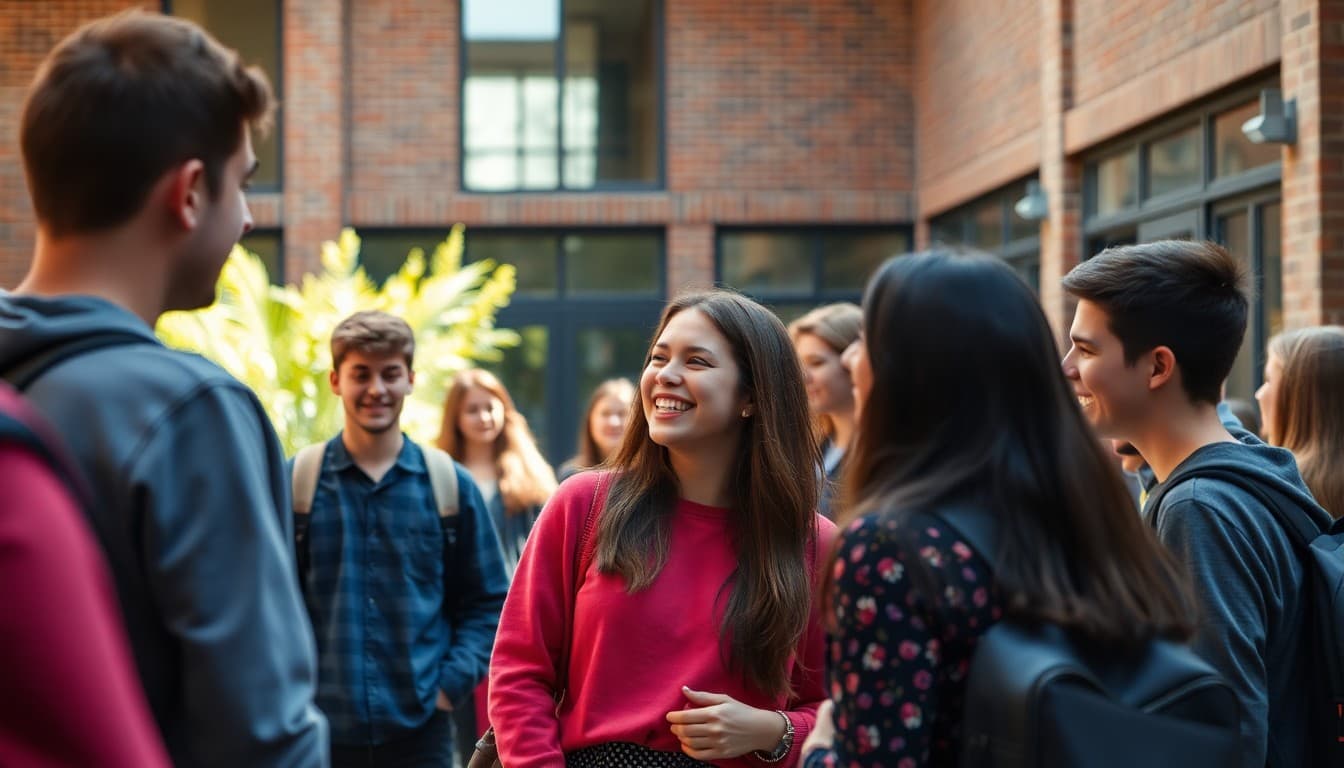
Senior year social life is shaped by a specific kind of grief: the knowledge that the community students have built over four years is about to dissolve into dozens of different futures. A newsletter that acknowledges this reality, names what you are doing to support students through it, and gives families practical ways to help is one of the most meaningful things a teacher or counselor can send in 12th grade.
Name What Senior Social Life Actually Looks Like
Your newsletter should acknowledge the texture of senior year directly. Students are watching the future arrive and feeling simultaneously excited and sad. Some are pulling away from friendships they know are ending. Some are clinging too hard to relationships that are changing. Some are managing anxiety about entering a social environment where they will not know anyone. These are not pathologies. They are normal developmental experiences that benefit from being named.
Describe the Social Skills College Will Require
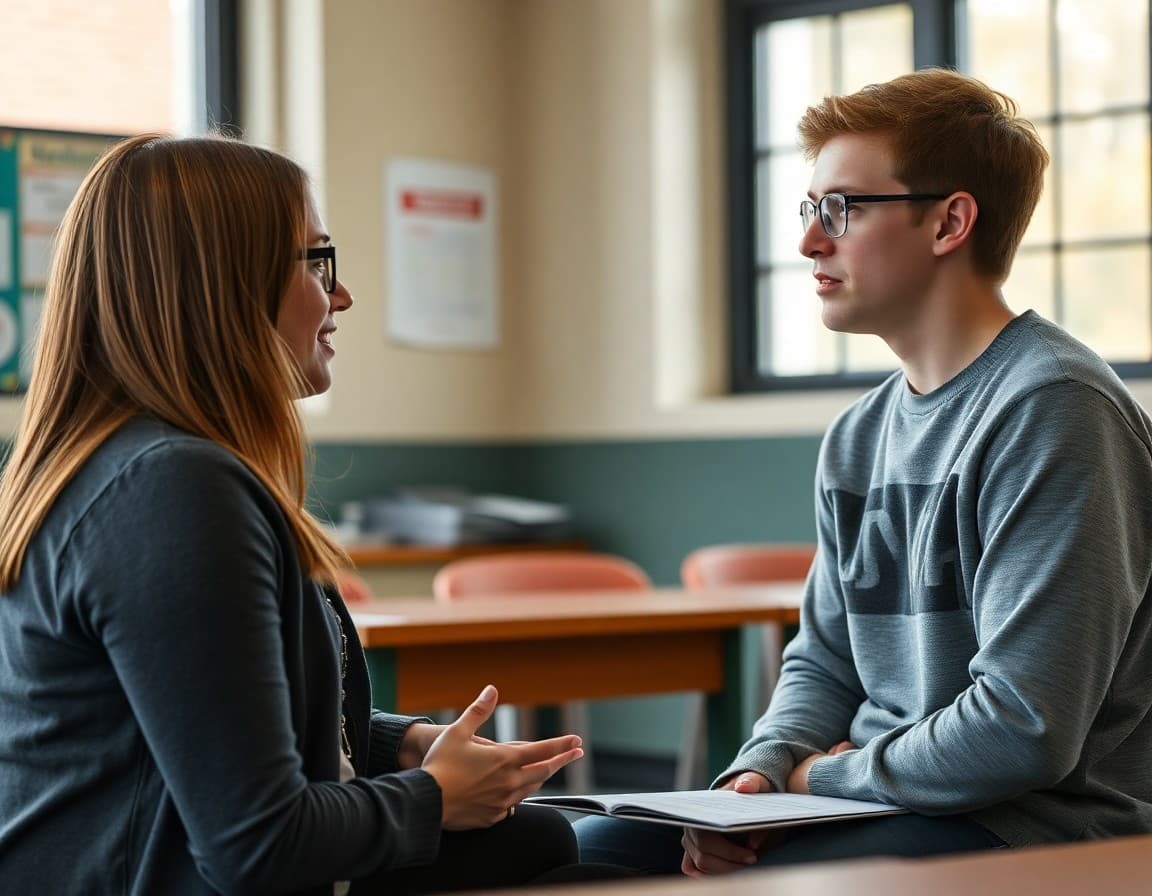
College social life requires skills that many seniors have not practiced explicitly. Introducing yourself to strangers. Starting a conversation with a professor during office hours. Navigating a roommate conflict without a parent or RA as the first line of resolution. Maintaining a friendship over distance by actually reaching out, not just passively following someone on social media. Sitting with the discomfort of not yet belonging to a new community while the process of building one takes time. Your newsletter can name these and tell families what helps build them.
Address Senior Grief About Leaving Without Minimizing It
Many families tell their senior that leaving for college is exciting and do not give space for the loss involved. A student who is sad about leaving is not ungrateful for the opportunity. They are human. Your newsletter can acknowledge this. A brief line like 'senior year is a year of beginnings and endings, and most students feel both at the same time' is enough. Families who give their senior space to grieve the ending are more effective than those who only focus on the future.
Share What You Are Doing in the Classroom
If your class is doing anything intentionally to support senior transition, name it. Structured reflection activities. Senior panels where older community members share what they wish they had known. Intentional conversations about maintaining relationships versus building new ones. Peer circles that let students name what they are looking forward to and what they are nervous about. Families who understand these structures appreciate them.
Give Families Practical Transition Support
The most effective family support in senior spring is helping their student practice the social skills college will require. Practice starting a conversation with someone new by introducing themselves at an extended family gathering. Practice resolving a small conflict directly instead of involving a parent. Practice asking for help from an authority figure without having a parent make the request first. These are not abstract suggestions. They are skills most seniors genuinely need and most families have not thought to practice.
Sample Newsletter Section on Senior Social Skills
Here is copy you can adapt:
"Senior year social life is complicated. The community your student has built over four years is about to change in fundamental ways, and many students feel that tension now even when they cannot name it. In class, we are creating space to acknowledge the transition. At home, the most useful thing families can do is ask: 'who do you want to stay close to after graduation?' and then help your student make a specific plan to do that, not just hope it happens."
Name the Counselor and Transition Resources
Include the school counselor's name and contact information, and note that senior transition support is a specific service they provide. Also mention that many colleges have transition programs for incoming students, and that using them in the first weeks of college is a sign of effectiveness, not weakness. Students who know that asking for help is the right move arrive at college more prepared to do it than those who have absorbed the message that needing support means something is wrong.
Close with a Forward-Looking Note
End with genuine optimism that is grounded in what you have observed. Something like: 'The students in this class have learned to listen to each other, challenge ideas respectfully, and build something real together over the past year. Those habits do not disappear when they leave. They show up in every dorm floor meeting, every study group, and every professional team for the rest of their lives. That is what I hope they take with them.'
Get one newsletter idea every week.
Free. For teachers. No spam.
Frequently asked questions
What social challenges are unique to 12th grade?
Senior year brings a specific set of social transitions: anticipatory grief about leaving friends, stress around diverging futures and college destinations, the social anxiety of senior-only activities and milestones, and for many students, the first real experience of being separated from their closest relationships. These transitions are real and worth taking seriously rather than minimizing.
How can families help their senior manage the social transitions of final year?
Encourage intentional relationship maintenance rather than passive drift. Ask their student who they want to stay in contact with after graduation and whether they have talked to that person about it. Help their student make specific plans with close friends rather than assuming the friendships will maintain themselves. The friends most worth keeping are the ones both parties make an effort for.
What social skills do seniors need most for college success?
Independence in seeking help, the ability to introduce themselves and start conversations with unfamiliar people, comfort with sitting with ambiguity in social situations, the capacity to resolve low-stakes conflicts without involving a parent or administrator, and the ability to maintain relationships over distance. These are skills that can be practiced explicitly and reinforced at home in the months before graduation.
How does the classroom community affect seniors preparing to transition to college?
Significantly. Students who have spent senior year in a classroom with genuine intellectual community and honest relational expectations are better prepared for college seminars, study groups, and dorm life than students who have not. The social habits of listening, building on others' ideas, and navigating respectful disagreement that a good classroom teaches are the same habits college community requires.
What newsletter tool makes it easy to send senior social-emotional updates to families?
Daystage lets you build a newsletter with a community section alongside academic updates. One send covers both. You can include school counselor contact information and college transition resources in the same newsletter families are already reading for grade and schedule updates.

Adi Ackerman
Author
Adi Ackerman is a former classroom teacher and curriculum writer with 8 years in K-8 schools. She writes about school communication, parent engagement, and what actually works in real classrooms.
More for High School
12th Grade Classroom Community Newsletter: Building Belonging Together
High School · 6 min read
12th Grade Behavior Newsletter to Parents: Addressing Senior Year Conduct and Engagement Constructively
High School · 7 min read
Twelfth Grade Transition Newsletter: Communicating the Move Beyond High School to Families
High School · 7 min read
Ready to send your first newsletter?
3 newsletters free. No credit card. First one ready in under 5 minutes.
Get started free