
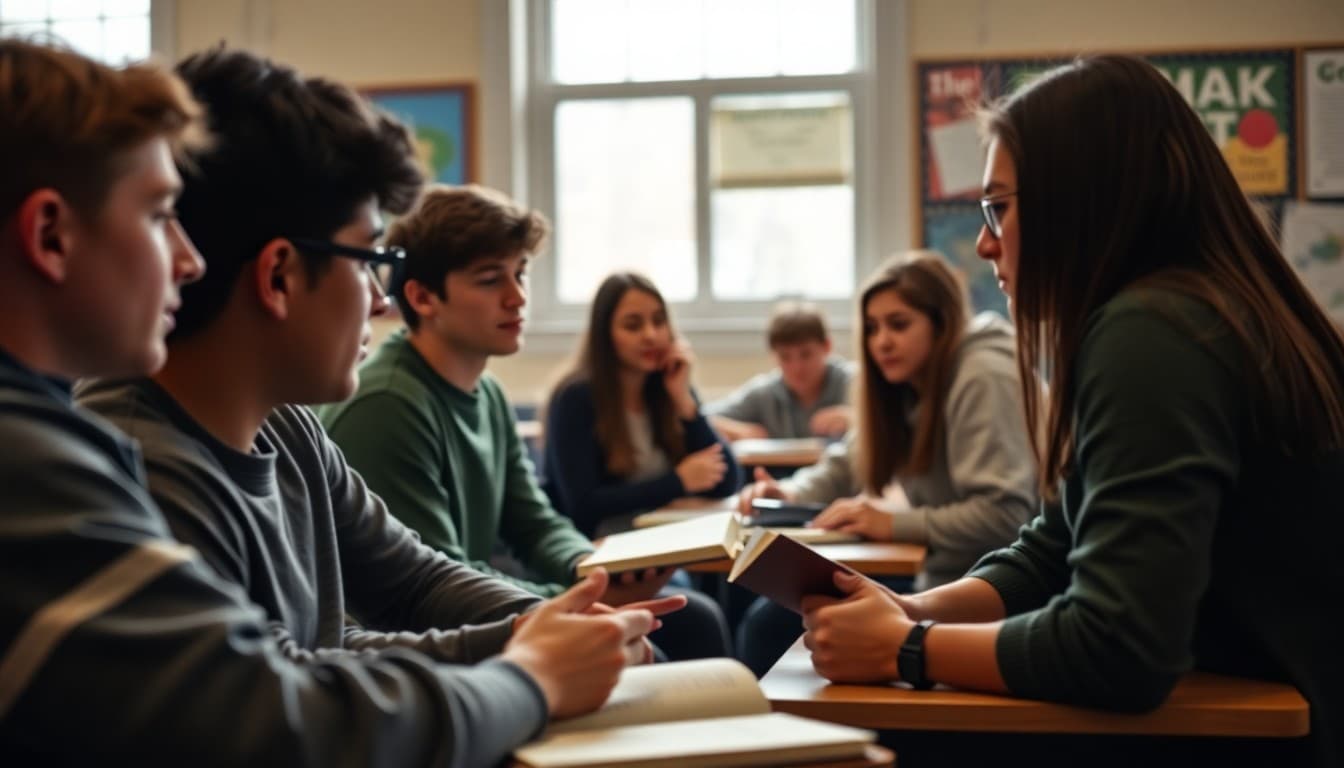
12th Grade Classroom Community Newsletter: Building Belonging Together
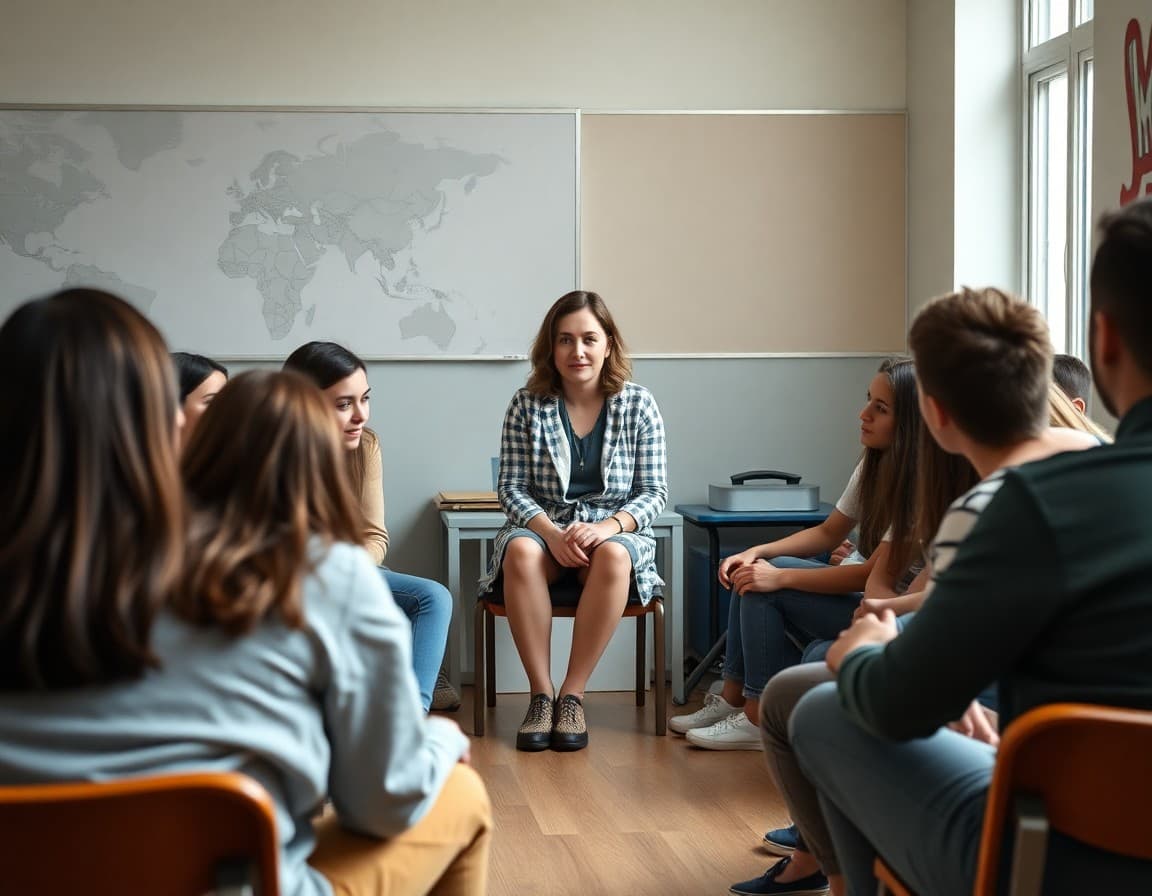
Senior year ends in a graduation ceremony that celebrates four years of shared work. But the community that makes that ceremony feel meaningful has been built in classrooms like yours over months and years. A newsletter that helps families understand what you are doing to maintain that community in the final stretch, and what they can do at home, honors the work and keeps families connected to something beyond logistics.
Acknowledge the Transition Without Sentimentality
Your newsletter can name the reality of senior year directly. Students are simultaneously present in the school community and already mentally preparing to leave it. The diverging paths, the diverging college destinations, and the diverging futures create a specific kind of social complexity. A classroom that makes space for that complexity, rather than pretending everything is normal, is a classroom students remember.
Describe the Work Your Classroom Is Doing in Senior Year
Tell families what your class is engaged with. Senior seminar discussions about the texts students have been preparing for AP exams. Research projects that connect academic skills to real questions students care about. Community circles that allow students to reflect on their high school experience and articulate what they are taking with them. Families who know the texture of their student's senior experience have richer conversations at home.
Share a Meaningful Recent Class Moment
Make the community visible in your newsletter. A specific example from the past month is more compelling than any description. 'Last week, a student brought a question to class about something they had read over the weekend. We ended up in a 30-minute conversation that the class initiated and led. I did not plan that lesson. The community produced it.' That kind of moment tells families what the class is, not just what it teaches.
Address the Diverging Paths in the Senior Class
Senior classes include students heading to four-year colleges, community colleges, gap years, work, and military service. These diverging paths can fragment a community that was cohesive in earlier years. Your newsletter can acknowledge this directly: a classroom that holds all of those futures as equally valid builds a richer, more realistic model of adult community than one that implicitly values only the college-track path. Tell families you are deliberate about this.
Invite Families to Participate in the Final Events
Senior year has a specific calendar: senior presentations, capstone projects, senior exhibitions, graduation rehearsals, and the ceremony itself. Your newsletter is a good place to share these events with families so they can mark their calendars and know what their student is working toward. Families who show up for a senior capstone presentation because they received a newsletter invitation feel part of the school community in a way that families who find out at the last minute do not.
Sample Newsletter Section on Senior Community
Here is copy you can adapt:
"Senior year is moving fast and I want families to know what the class has been doing together. This month we wrapped our final independent research unit and shared projects in a class panel presentation. Every student presented their findings and answered questions from peers. The level of intellectual engagement was the highest I have seen from this group. Ask your student which presentation they found most surprising and why."
Give Families Something to Do at Home
Suggest one conversation families can have. Ask their student: what is one thing you learned this year that changed how you think about something? What is something about this school community that you will try to replicate in college? What do you know now that you did not know when you were a 9th grader? These questions help seniors reflect on their high school experience in a way that makes the transition more intentional and less abrupt.
Close with Genuine Gratitude
A senior year community newsletter can end warmly without being saccharine. Thank families for four years of partnership. Tell them that the students in your class have become something real together, and that you notice it. A brief closing like 'this class is a privilege to teach' is genuine and appropriate. Families who receive that message feel seen in a way that carries.
Get one newsletter idea every week.
Free. For teachers. No spam.
Frequently asked questions
Why does classroom community still matter in 12th grade?
Senior year is a year of endings and transitions, and the quality of the classroom community determines whether those endings feel meaningful or merely administrative. Students who experience real intellectual community in their final year of high school carry those habits into college. Teachers who maintain community in 12th grade give students their last and most vivid model of what collaborative academic discourse can look like.
How does senior year community look different from earlier grades?
In 12th grade, community becomes explicitly transitional. Students are preparing to leave. The community conversations that matter most are often about identity, direction, and the kind of person each student wants to become. A classroom that makes space for these conversations alongside academic work is doing something genuinely valuable that not every class offers.
How can families support classroom community in senior year?
Ask their student about meaningful conversations they are having in class. Ask what their student will miss about their school community. Encourage their student to maintain friendships rather than letting them atrophy as college plans diverge. And tell their student that the intellectual habits they built in high school, especially in community with other people, are the ones that will matter most in the next four years.
How often should teachers send community newsletters in senior year?
Once or twice per semester is enough for community-specific updates. The goal is not to overwhelm families but to keep them connected to the texture of their student's school experience during a year when many families are focused exclusively on college logistics.
What newsletter tool makes senior classroom community communication easy?
Daystage is well suited for this because it supports photo galleries, student spotlights, and text sections in one clean newsletter. A senior year community newsletter with a few photos and a meaningful class update sends in minutes and lands professionally on every device.

Adi Ackerman
Author
Adi Ackerman is a former classroom teacher and curriculum writer with 8 years in K-8 schools. She writes about school communication, parent engagement, and what actually works in real classrooms.
More for High School
12th Grade Behavior Newsletter to Parents: Addressing Senior Year Conduct and Engagement Constructively
High School · 7 min read
Twelfth Grade Back to School Newsletter: Starting Senior Year With the Right Family Communication
High School · 7 min read
Twelfth Grade Transition Newsletter: Communicating the Move Beyond High School to Families
High School · 7 min read
Ready to send your first newsletter?
3 newsletters free. No credit card. First one ready in under 5 minutes.
Get started free