

10th Grade Special Education Newsletter: Communicating IEP Transitions, Accommodations, and Diploma Tracks to Families
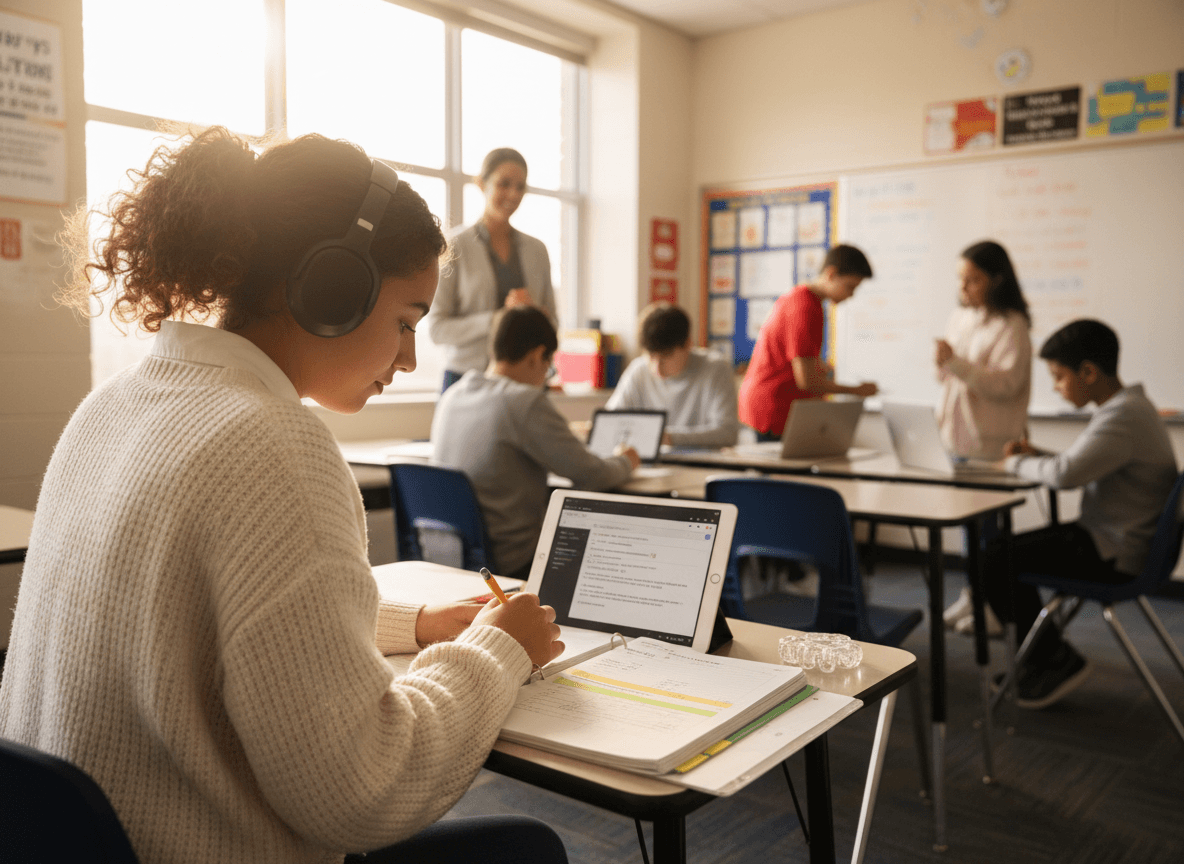
Special education communication in 10th grade carries a different weight than in earlier grades. Students are no longer at the beginning of their high school journey. The decisions made during sophomore year, including which accommodations are in place, whether transition planning has started, what diploma track a student is on, and whether AP coursework is accessible, have real consequences that extend beyond graduation.
A special education newsletter for 10th grade families is one of the most important communications a case manager or resource teacher sends. Done well, it keeps families informed, builds trust, and positions them as active partners in their student's plan.
Transition planning: what it is and when it starts
Federal law under IDEA requires that transition planning be incorporated into the IEP no later than when a student turns 16. Many states, however, require it to begin at 14, which means some 10th graders already have transition goals in their IEPs, and others are approaching that threshold.
Your newsletter should explain what transition planning means in plain terms: the process of identifying a student's goals for life after high school, including post-secondary education, vocational training, or employment, and building the IEP to support those goals. Families who understand this process are more likely to engage actively at IEP meetings rather than passively agreeing with whatever is presented.
What accommodations look like at the high school level
Accommodations in 10th grade look different from elementary school. Students move between multiple classrooms with different teachers, which means each general education teacher needs to be aware of and actively implementing the IEP. Extended time, testing in a separate location, access to assistive technology, and modified assignment formats are all common, but they only work when every teacher in the student's schedule is on the same page.
Your newsletter should describe what accommodations exist, explain the process for ensuring they are implemented across all classes, and invite parents to contact you immediately if they hear their student is not receiving an accommodation. This positions the family as a monitoring partner, not a passive recipient.
AP course access for students with IEPs
One of the most important things a 10th grade special education newsletter can communicate is that an IEP does not close the door to rigorous coursework. Students with learning disabilities, ADHD, and other qualifying conditions regularly succeed in AP courses when the right supports are in place.
College Board has a formal process for requesting accommodations on AP exams through its Services for Students with Disabilities program. Families need to know this process exists, that it takes time to set up, and that it should be initiated before course selection for junior year. Encourage any family considering an AP course for their student to start this conversation now.
Diploma track clarification
Diploma track decisions are some of the most consequential that families of students with IEPs face, and too often these conversations happen too late. By 10th grade, families should understand which diploma track their student is currently on and what the differences between tracks mean for college admission, military eligibility, and employment.
Your newsletter does not need to resolve these decisions, but it should name them. A brief section that says "If you are unsure which diploma track your student is currently on and what it means for their options after graduation, please reach out to schedule a conversation before the next IEP meeting" opens the door for families who may not have thought to ask.
Connecting with general education teachers
One of the most useful things a 10th grade special education newsletter can do is help families understand how the IEP team works across the school. Students with IEPs interact with multiple teachers who may or may not communicate with each other regularly. Parents sometimes feel they have to coordinate this themselves.
Explain who the case manager is, how teachers are notified of IEP requirements, and what the process is for addressing a situation where an accommodation is not being followed. This clarity reduces frustration and helps families advocate more effectively.
Upcoming IEP meeting and how to prepare
If an annual IEP review is coming up, preview what will be discussed and what families can do to prepare. Invite parents to bring their own questions, observations about their student's progress, and any concerns they have noticed at home. A family that arrives at an IEP meeting prepared to contribute has a different experience than one that shows up and signs paperwork.
Using a platform like Daystage to send this newsletter gives families a permanent digital record of what was communicated and when, which matters for the documentation-heavy world of special education.
Get one newsletter idea every week.
Free. For teachers. No spam.
Frequently asked questions
When does IEP transition planning legally begin for high school students?
Under IDEA, transition planning must begin no later than age 16, but many states require it to start at age 14 or when the student enters high school. For most 10th graders, this means transition goals should already be part of the IEP or will be added at the next annual review. Families benefit from understanding this timeline so they can participate meaningfully in setting post-secondary goals related to education, employment, and independent living.
What do accommodations look like for 10th graders with IEPs in general education classes?
Common accommodations at the 10th grade level include extended time on tests and assignments, a separate or reduced-distraction testing location, access to text-to-speech tools, preferential seating, modified assignment formats, and regular check-ins with a case manager. Your newsletter should describe what accommodations are in place in general terms, encourage families to verify that all general education teachers have received and are implementing the IEP, and explain the process for raising concerns if an accommodation is not being followed.
Can 10th grade students with IEPs take AP courses?
Yes, and more students with IEPs are succeeding in AP courses than many people assume. Accommodations provided on the IEP can be requested for the AP exam itself through College Board's Services for Students with Disabilities program. Your newsletter should be clear that having an IEP does not preclude AP enrollment, and that families interested in exploring this should speak with the case manager and the AP teacher before course selection season.
How should diploma track options be communicated to families of students with IEPs?
Diploma track options vary by state and district but often include a standard diploma, an honors diploma, a certificate of completion, or a modified diploma track. Families need to understand early, not just at senior year, what track their student is currently on and what the implications are for post-secondary options. A brief explanation in your newsletter, with an invitation to discuss further at the IEP meeting, gives families time to engage with this decision rather than feel rushed.
What newsletter tool works best for special education parent communication at the high school level?
Daystage is a good fit because it lets special education teachers write structured, confidential newsletters that can be sent to individual families or to a parent group. For special education communication, being able to organize the newsletter into sections like IEP updates, accommodations overview, and upcoming meetings makes it easy for busy families to find what they need. Teachers can also include links to district resources or the student's case manager contact information.

Adi Ackerman
Author
Adi Ackerman is a former classroom teacher and curriculum writer with 8 years in K-8 schools. She writes about school communication, parent engagement, and what actually works in real classrooms.
More for High School
10th Grade ELL Support Newsletter: Communicating Language Services and College-Going Culture to Multilingual Families
High School · 6 min read
10th Grade Homework Policy Newsletter: What Parents Need to Know About the Sophomore Workload
High School · 5 min read
11th Grade Classroom Newsletter Ideas: What to Send Junior Parents All Year
High School · 7 min read
Ready to send your first newsletter?
3 newsletters free. No credit card. First one ready in under 5 minutes.
Get started free