

10th Grade Homework Policy Newsletter: What Parents Need to Know About the Sophomore Workload
Homework is the part of school that happens at home, which means parents are directly affected by the expectations you set. A homework policy newsletter for 10th grade does more than explain how many problems are due on Thursday. It helps parents understand the rhythm of sophomore year, set realistic home routines, and intervene early when their student starts falling behind.
Sending this newsletter in the first two weeks of school, before habits form and before any grades appear, is worth the time it takes to write.
Set realistic expectations for nightly homework load
Parents often underestimate how much 10th grade workload can vary from class to class. Start your newsletter by giving an honest estimate of what homework in your course typically looks like on a given night. If your class averages 20 to 30 minutes per assignment, say so. If some nights run longer because of test prep or major projects, say that too.
A simple sentence like "Most nights, homework in this class takes between 25 and 40 minutes" gives parents something to hold against their student's actual time management. If homework is taking three hours every night, that is useful information for everyone.
AP courses: what the higher bar looks like
If you teach an AP course, or if your department newsletter covers both standard and AP sections, be clear about the difference in time commitment. AP World History and AP Biology are the two most common AP offerings at the 10th grade level, and both carry significant nightly reading and writing loads.
Parents who enrolled their student in an AP course sometimes do not fully understand what that decision means for evening routines. A paragraph in your newsletter that says "AP students should budget 45 to 60 minutes for this course most nights, with longer blocks during project and exam weeks" is honest and helps parents plan accordingly.
Digital submission: Google Classroom and what parents can see
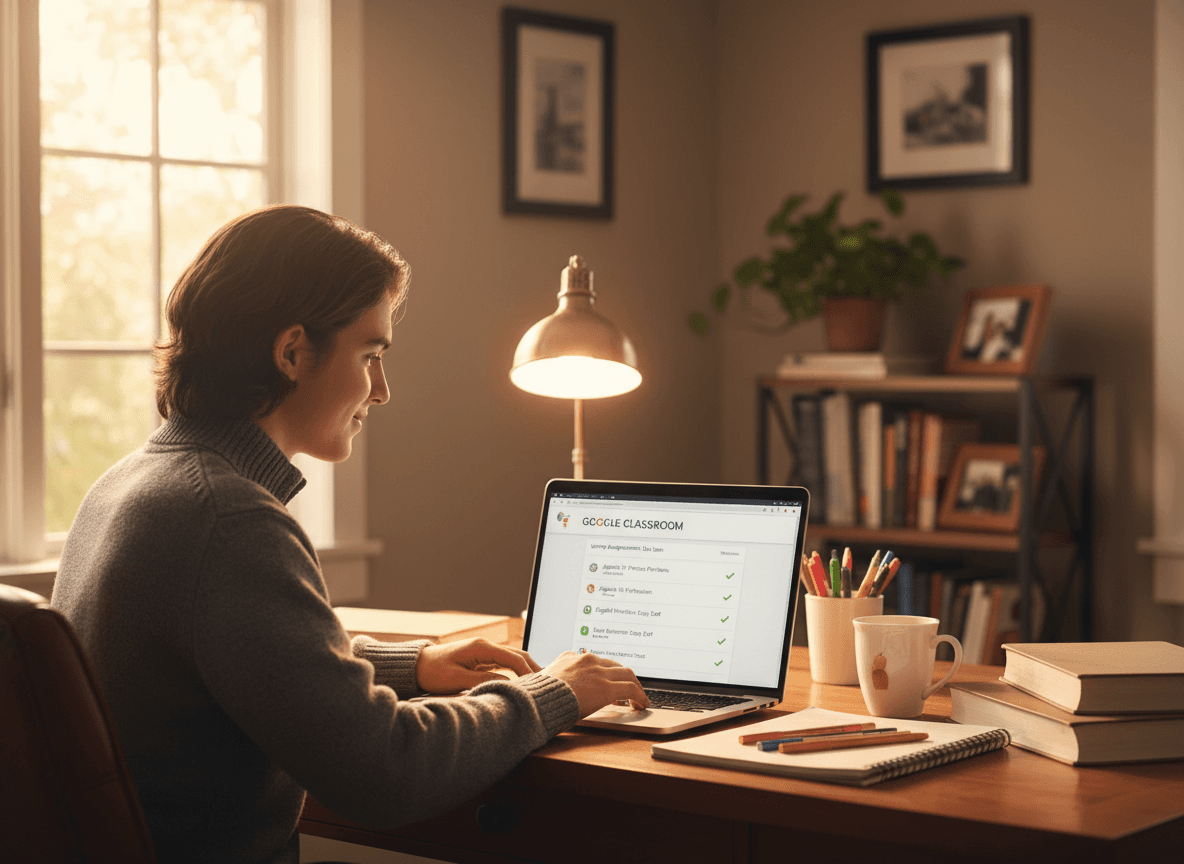
Most 10th grade classrooms use Google Classroom or a similar learning management system for homework submission. Your newsletter should walk parents through three things: where to find assignments, how students submit them, and whether parents have their own login to view due dates and grades.
Google Classroom has a Guardian Summaries feature that sends weekly email digests to parents with missing work and upcoming due dates. If your school enables this, tell parents explicitly and include brief instructions on how to sign up. If your school does not use this feature, explain your alternative system for keeping parents informed.
Missing work: how you communicate it
Parents want to know about missing assignments before they become a pattern. Your homework policy newsletter should explain when they will hear from you about overdue work. Some teachers send a weekly summary to any parent whose student has a missing assignment. Others reach out when a second or third assignment is missing. Whatever your threshold is, state it clearly.
Also clarify what parents should do if they notice a missing assignment before you do. Can they email you? Is there a makeup submission window? Knowing the process in advance reduces panic when a grade appears lower than expected.
PSAT prep as part of the homework rhythm
The PSAT is typically offered to 10th graders in October, and for many sophomores it is the first time they have sat for a standardized test in a high-stakes environment. Even if formal PSAT prep is not part of your course, acknowledging it in your homework policy newsletter signals that you understand the broader landscape of sophomore year.
You might include a brief line like "The weeks around PSAT testing in October can be stressful, and I try to front-load major assignments to avoid heavy workload during that stretch." This kind of awareness earns trust with parents who are already thinking about what sophomore year means for their student's trajectory.
What to do when homework is genuinely too much
Sometimes the homework load becomes unmanageable. A student dealing with a family situation, an illness, or a mental health struggle may not be able to complete assignments on schedule. Your newsletter should make clear that you want to know when that is happening, not after the fact.
A simple statement like "If your student is overwhelmed for any reason, please reach out before an assignment is missed rather than after" opens the door for parents to communicate early. It also signals that you are a teacher who sees students as people, not just grade-earners, which goes a long way in building a productive year.
Make the newsletter easy to act on
Close with clear links or instructions: the Google Classroom URL, your email address, and your preferred contact hours. Sending this newsletter through a platform like Daystage makes it easy to include those links in a visually clean format that parents can bookmark and return to when they need it later in the year.
Get one newsletter idea every week.
Free. For teachers. No spam.
Frequently asked questions
How much homework should a 10th grader have each night?
Most education guidelines suggest roughly 10 minutes of homework per grade level per night, which puts 10th graders at around 100 minutes total. In practice, a typical sophomore carries one to two hours of nightly homework spread across multiple subjects. This estimate shifts significantly for students in AP or honors courses, where individual class assignments can run 45 to 60 minutes on their own.
How does homework in AP courses differ from standard 10th grade homework?
AP courses in 10th grade, often AP World History or AP Biology, have reading and annotation requirements that are more time-intensive than standard courses. Students may also have regular timed writing practice, vocabulary work, or problem sets that require genuine concentration rather than quick completion. Parents of AP students should expect homework to run longer and to include preparation tasks that are not always graded but still matter for exam readiness.
What digital tools do 10th grade teachers use for homework submission?
Google Classroom is the most common platform in American high schools, but some districts also use Canvas, Schoology, or PowerSchool Learning. Your homework policy newsletter should name the platform your class uses, explain how students submit work, and describe how parents can view assignment deadlines. Knowing where to look reduces the 'I didn't know it was due' issue considerably.
How should missing work be communicated to parents in 10th grade?
Parents of sophomores generally want to know about missing assignments before they become a pattern, not after a grade drops significantly. A good homework policy newsletter explains when and how the teacher contacts home about missing work, whether that is a weekly email summary, a notification via the school's learning management system, or a direct message when a major assignment is overdue. Proactive communication is always better than a surprise at the end of a grading period.
What newsletter tool works best for sharing homework policies with 10th grade parents?
Daystage is designed for exactly this kind of structured school communication. Teachers can build a homework policy newsletter with clear sections for nightly expectations, submission instructions, and missing work procedures, then send it directly to parent inboxes. The visual formatting makes it easy for parents to scan quickly, and having it as a saved digital document means they can refer back to it throughout the year.

Adi Ackerman
Author
Adi Ackerman is a former classroom teacher and curriculum writer with 8 years in K-8 schools. She writes about school communication, parent engagement, and what actually works in real classrooms.
More for High School
10th Grade Classroom Rules Newsletter: Setting Sophomore Expectations That Actually Stick
High School · 6 min read
10th Grade Supply List Newsletter: What Sophomore Parents Need to Know Before School Starts
High School · 5 min read
11th Grade Classroom Newsletter Ideas: What to Send Junior Parents All Year
High School · 7 min read
Ready to send your first newsletter?
3 newsletters free. No credit card. First one ready in under 5 minutes.
Get started free