

10th Grade Reading Log Newsletter: Home Reading Program Guide
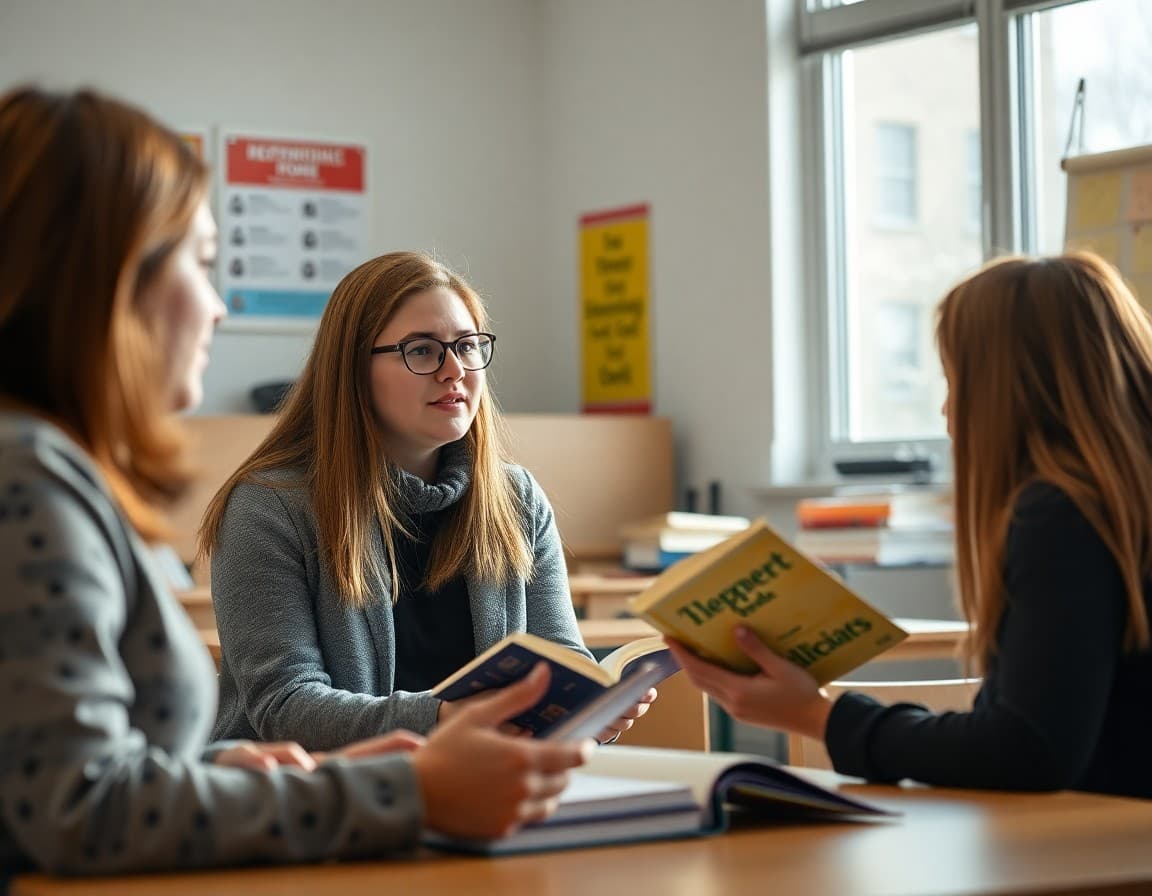
By 10th grade, independent reading programs are less about building the reading habit and more about building analytical reading stamina. Students at this level are expected to do more than track pages. They should be noticing craft, asking questions about the text, and making connections that will inform their formal writing later in the year. A newsletter that explains this shift to families helps them support the right kind of reading at home.
Explain the Program's Purpose at the 10th Grade Level
Your first paragraph should tell families why independent reading matters at this specific stage. Students who read widely outside of assigned texts build vocabulary, develop stamina for longer prose, and expose themselves to more rhetorical models than the class curriculum alone can provide. Families who understand the purpose take the log more seriously than families who see it as a homework checkbox.
Define the Weekly and Quarterly Expectation
State the requirement precisely. If students are expected to read 30 minutes per night, say so. If the quarterly requirement is completing two full-length works, give the page ranges that qualify. Families who have numbers can track whether their student is on pace. Families who only hear 'read regularly' cannot tell the difference between adequate and insufficient reading.
Raise the Reflection Standard from 9th Grade
If your students kept a reading log in 9th grade, your 10th grade newsletter should explicitly describe what is different. A 9th grade entry might be: 'Chapter 5 introduced a new character and I think she will be important later.' A strong 10th grade entry is: 'The author introduced this character in dialogue rather than narration, which means we learn who she is through what she says rather than what the narrator tells us. This choice makes her feel more trustworthy than characters introduced through description.' That is analytical reading.
Clarify Your Book Approval Process
If students choose their own reading material, your newsletter should explain how books get approved. Do students submit a title to you for review? Is there a pre-approved list? Are certain genres or reading levels automatically excluded? A student who spends a week reading a book that turns out not to qualify will be frustrated, and their family will be too. Make the approval process clear upfront.
Recommend a Balanced Book List
A short recommended reading list in your newsletter helps students who struggle to choose their own titles. Include a mix of contemporary fiction, classic literature, literary nonfiction, and memoir. Include at least a few titles by authors from different backgrounds than the assigned curriculum. Families appreciate a starting point, and students who have a list they can scan are less likely to spend two weeks doing nothing while deciding what to read.
Sample Newsletter Section for Reading Logs
Here is copy you can adapt:
"Our 10th grade independent reading program runs all year. Students should read at least 30 minutes per night and submit a reading log every two weeks. Logs must include: date, title and author, pages read, and a 3-4 sentence analytical reflection. Good reflections analyze craft, make connections, or raise real questions about the text. Logs are due every other Friday by midnight through Google Classroom. If your student needs help choosing a book, a recommended list is attached."
Tie Reading Logs to Formal Writing
Tell families directly that the reading log is not a standalone assignment. Students who write strong reflections throughout the year are better prepared for formal essays because they have practice analyzing texts under low stakes. When the analytical essay comes due in April, students who have been writing about craft and argument since September have an advantage they can feel.
Describe the Grading Approach
Is the log graded on completion only, or on quality of reflection? How much of the quarter grade does it carry? Families who know this information can help their student prioritize accordingly. A completion-only grade is a floor: students should still write substantive reflections, but families should understand what the grade measures versus what the skill development produces.
Get one newsletter idea every week.
Free. For teachers. No spam.
Frequently asked questions
What should a 10th grade reading log include beyond pages read?
At the 10th grade level, reflections should go beyond 'what happened.' Strong 10th grade reading log entries note: a craft choice the author made and why it is effective, a connection between the text and another work or real event, a question about the author's intent, or a disagreement with a choice the author made and why. These analytical habits build the skills students need for written analysis.
How much independent reading should 10th graders do each week?
Most 10th grade programs ask for 30 minutes of independent reading per night, equaling roughly 150-200 pages per week depending on genre and reading speed. If your program has a quarterly book count requirement (for example, four books per year), break that down by weeks in your newsletter so families understand the pace.
What kinds of books work for a 10th grade reading log?
Fiction and literary nonfiction at or above 10th grade reading level. Many 10th grade programs also accept narrative nonfiction, memoir, and essay collections. Your newsletter should specify whether poetry, graphic novels, or re-reads of previously assigned texts count. Ambiguity here creates the most arguments at log submission time.
How do I help 10th grade families verify reading without damaging the student's autonomy?
Tell families to ask two or three questions per week: 'what is the author's point of view in this section?' or 'what choice did you disagree with?' These open-ended questions are harder to fake than 'what happened?' and they model the analytical thinking the log is building.
What newsletter tool makes independent reading program communication easy for 10th grade?
Daystage lets you attach the reading log template as a PDF, include a recommended book list as a link, and send quarterly reminders with submission dates. One newsletter covers the whole program so families do not lose track mid-year.

Adi Ackerman
Author
Adi Ackerman is a former classroom teacher and curriculum writer with 8 years in K-8 schools. She writes about school communication, parent engagement, and what actually works in real classrooms.
More for High School
Tenth Grade ELA Newsletter: What to Tell Families About Reading and Writing in Sophomore Year
High School · 7 min read
10th Grade Reading Level Newsletter: How to Communicate Literacy Progress to Sophomore Parents
High School · 6 min read
10th Grade Homework Policy Newsletter: What Parents Need to Know About the Sophomore Workload
High School · 5 min read
Ready to send your first newsletter?
3 newsletters free. No credit card. First one ready in under 5 minutes.
Get started free