

Teacher Newsletter for Voter Education: Civics Communication for High School
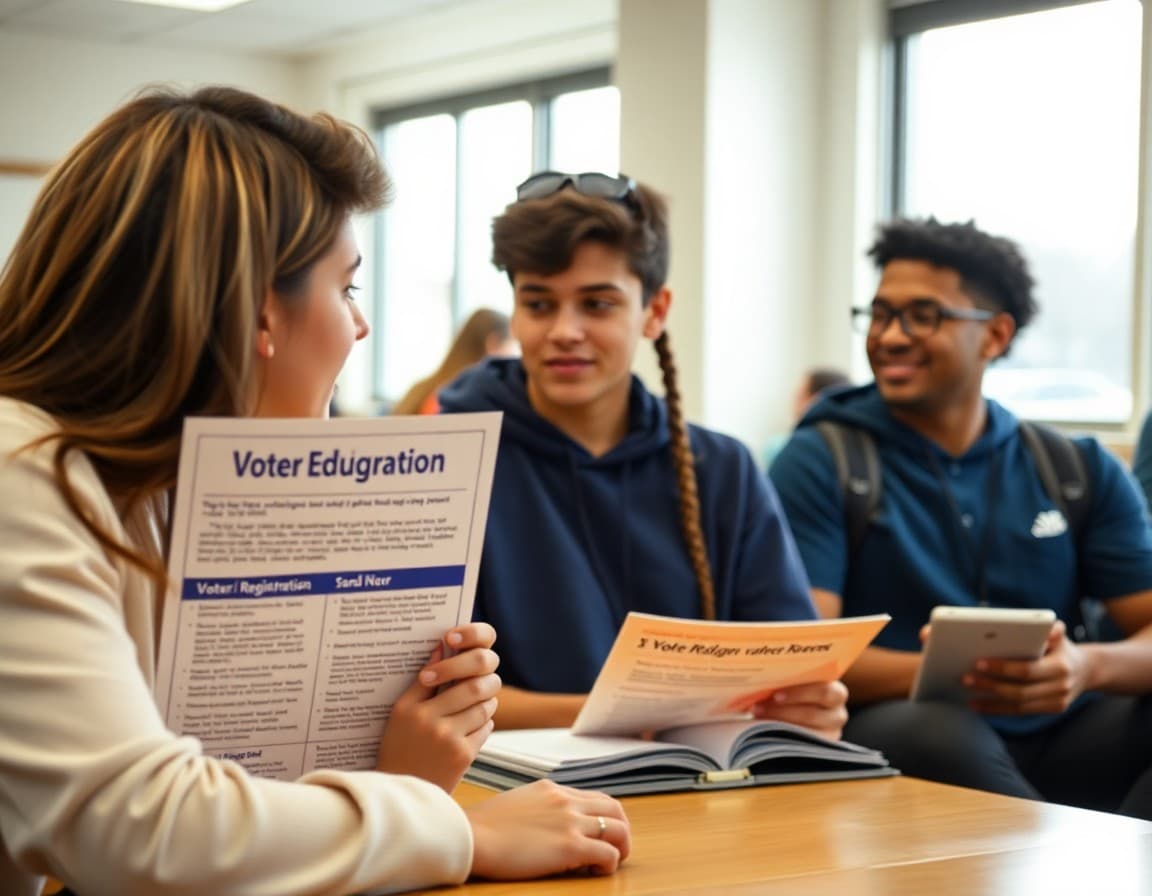
Why This Communication Matters
Voter education is one of the most directly applicable civics topics high school teachers can communicate about. Students who understand how elections work and how to participate arrive at voting age prepared rather than confused.
What to Include in Your Newsletter
Cover what students are studying: voting rights history, how voter registration works in your state, what the ballot includes, and how students who turn 18 during the school year can register. Include local and state election resources alongside national ones.
Connecting to Academic and Personal Development
Every program and assignment in high school connects to skills and opportunities that matter beyond the immediate task. Frame your newsletter in terms of what students are developing: communication skills, analytical thinking, professional habits, or specific domain knowledge. Parents who understand the bigger picture take the details more seriously.
Practical Information Families Need
For students who are 17 or turning 18, include specific voter registration links and deadlines. Many students miss registration windows because no one communicated them clearly. A newsletter that makes this information concrete and timely closes that gap.
How Parents Can Support at Home
Encourage parents to talk to their student about how they make civic decisions: how they research candidates, what ballot measures mean, and how they decide what matters. Students who see civic participation modeled at home take the classroom learning seriously.
Communicating During the Program or Season
An initial newsletter launches the conversation. Mid-program updates sustain it. A brief note covering current progress, upcoming milestones, and any schedule changes prevents the drift that happens when parents go several weeks without contact. Keep follow-up communications shorter than the launch newsletter and focused on what families need to act on right now.
Building Communication That Lasts the Year
Civic education newsletters work best during election seasons and before registration deadlines, but the topic has year-round relevance. Build voter education content into your newsletter calendar at least twice a year. Use a consistent template and a tool like Daystage to keep the sending process fast enough that the habit survives the busiest weeks of the school year.
Get one newsletter idea every week.
Free. For teachers. No spam.
Frequently asked questions
What should a voter education newsletter for high school include?
A voter education newsletter should explain what students are learning about voting rights, voter registration processes, how elections work at federal, state, and local levels, and why civic participation matters. For students approaching voting age, include voter registration information and deadlines specific to your state.
Why is voter education important in high school?
High school is often the last formal civic education students receive before they become eligible voters. A teacher newsletter that frames voting as a skill and a responsibility, and that gives students practical information about registration and participation, connects classroom learning directly to real-world action.
How can high school teachers address voter education without being partisan?
Focus on the mechanics of civic participation: how to register, how elections work, what different levels of government do, and how to research candidates and ballot measures. The goal is informed civic participation, not a specific political outcome. A newsletter that teaches students how to evaluate political claims and participate in the process serves all families regardless of political affiliation.
How can parents support voter education at home?
Parents can discuss current events in terms of how government processes work rather than just who wins or loses. Taking students to the polling place when parents vote, and explaining what each race on the ballot involves, turns abstract civic education into a concrete family practice.
What tool helps high school teachers send newsletters about this topic?
Daystage is built for school communication. High school teachers use it to create formatted newsletters with program details, key dates, and guidance for families, then send them to parent email lists in minutes without extra design work.

Adi Ackerman
Author
Adi Ackerman is a former classroom teacher and curriculum writer with 8 years in K-8 schools. She writes about school communication, parent engagement, and what actually works in real classrooms.
More for High School
Ready to send your first newsletter?
3 newsletters free. No credit card. First one ready in under 5 minutes.
Get started free