

Teacher Newsletter for an Environmental Justice Unit: Communicating the Content
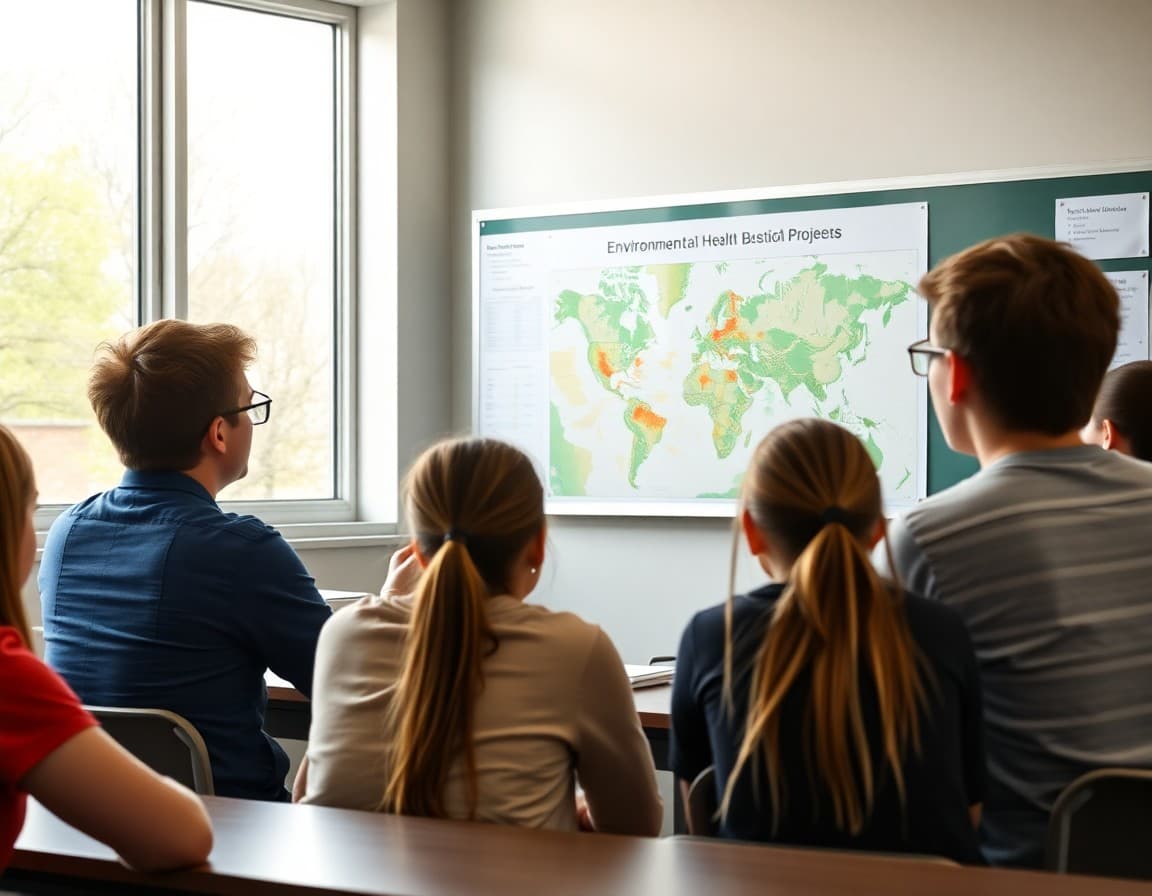
Environmental justice sits at the intersection of science, history, and policy. It's an academically serious topic with an extensive empirical research base. Your newsletter's job is to communicate that grounding clearly so families understand that students are doing analytical work with real data, not just developing a political opinion.
Define Environmental Justice Concisely
Environmental justice is the research field and policy framework concerned with how environmental burdens and benefits are distributed across communities, and how that distribution correlates with race, income, and political representation. One clear sentence defining the term prevents the ambiguity that allows some families to assume the unit is primarily political.
Ground the Unit in Scientific Data
Name the data sources students will use. The EPA's EJScreen tool, peer-reviewed studies on pollution exposure and health outcomes, federal agency reports on environmental enforcement, and CDC data on environmental health disparities are all rigorous, publicly available resources. Leading with data sources establishes the unit as evidence-based.
Describe the Case Studies
Name the specific cases students will analyze. Flint water contamination, fence-line communities near industrial facilities, and historically documented examples of facility siting decisions are among the most commonly studied. Specific cases are more credible than vague topic descriptions, and families who recognize a case name engage with the topic as the documented historical or current event that it is.
Explain the Skills Being Developed
Students are learning to read and interpret data from government and scientific sources, analyze policy documents, evaluate research methodology, and construct evidence-based arguments about complex problems. These skills apply broadly in science, social studies, and civic life. Framing the unit around transferable analytical skills grounds it in academic purpose.
Connect to the Broader Course
Place this unit in the context of the course curriculum. In AP Environmental Science, it connects to pollution, human impact, and policy. In U.S. history, it connects to civil rights, regulatory history, and community organizing. In an integrated humanities course, it connects to geography, economics, and government. That connection helps families see the unit as part of a coherent academic sequence.
Describe the Assessment
Tell families what students will produce. A data analysis paper, a policy memo, a community health assessment, a structured debate on regulatory approaches, all of these signal that students are engaging with the material analytically. The format tells families what kind of work is being done.
Invite Advance Questions
Give parents a way to reach you before the unit starts. Most concerns about content like this are easier to address with a brief conversation before instruction than after students have already brought home a version of what they're learning. Your availability signals confidence in the curriculum.
Close With Curriculum Documentation
Reference the standards or course framework this unit addresses. Daystage makes it easy to send this newsletter early, with enough lead time for families to bring questions before the first class session. That timing is most of what determines whether preemptive communication actually prevents conflict.
Get one newsletter idea every week.
Free. For teachers. No spam.
Frequently asked questions
What is environmental justice and why is it taught in high school?
Environmental justice is the study of how environmental burdens, such as pollution, contaminated water, and industrial hazards, are distributed across communities, and how that distribution correlates with race, income, and political power. It appears in AP Environmental Science, social studies, and integrated humanities courses because it connects scientific data to policy and civic life.
What should an environmental justice newsletter include?
Cover the scientific data and regulatory frameworks the unit examines, specific case studies students will analyze, the skills being developed such as data interpretation and policy analysis, and how the unit connects to the broader course curriculum. Leading with empirical data rather than advocacy framing helps families receive the content as educational.
How do you teach environmental justice without it feeling politically partisan?
Ground the unit in peer-reviewed research, government data from agencies like the EPA, and documented case studies with clear evidence bases. The scientific and epidemiological data underlying environmental justice are well-established. Teaching students to read and interpret that data is a science skill regardless of what policy conclusions one draws.
What primary sources are appropriate for an environmental justice unit?
Government data from the EPA's EJScreen tool, peer-reviewed epidemiological studies, court documents from environmental lawsuits, public health reports, and first-person accounts from affected communities are all legitimate primary and secondary sources. Your newsletter can name the specific sources your unit uses.
What tool works best for high school teacher newsletters?
Daystage is practical for communicating about content that sometimes generates questions from families. You can write a clear, evidence-focused newsletter before the unit starts, include links to public data sources or the EPA's EJScreen tool, and follow up with what students learned after the unit concludes.

Adi Ackerman
Author
Adi Ackerman is a former classroom teacher and curriculum writer with 8 years in K-8 schools. She writes about school communication, parent engagement, and what actually works in real classrooms.
More for High School
Ready to send your first newsletter?
3 newsletters free. No credit card. First one ready in under 5 minutes.
Get started free