

Teacher Newsletter for Debate and Fishbowl Discussions in High School
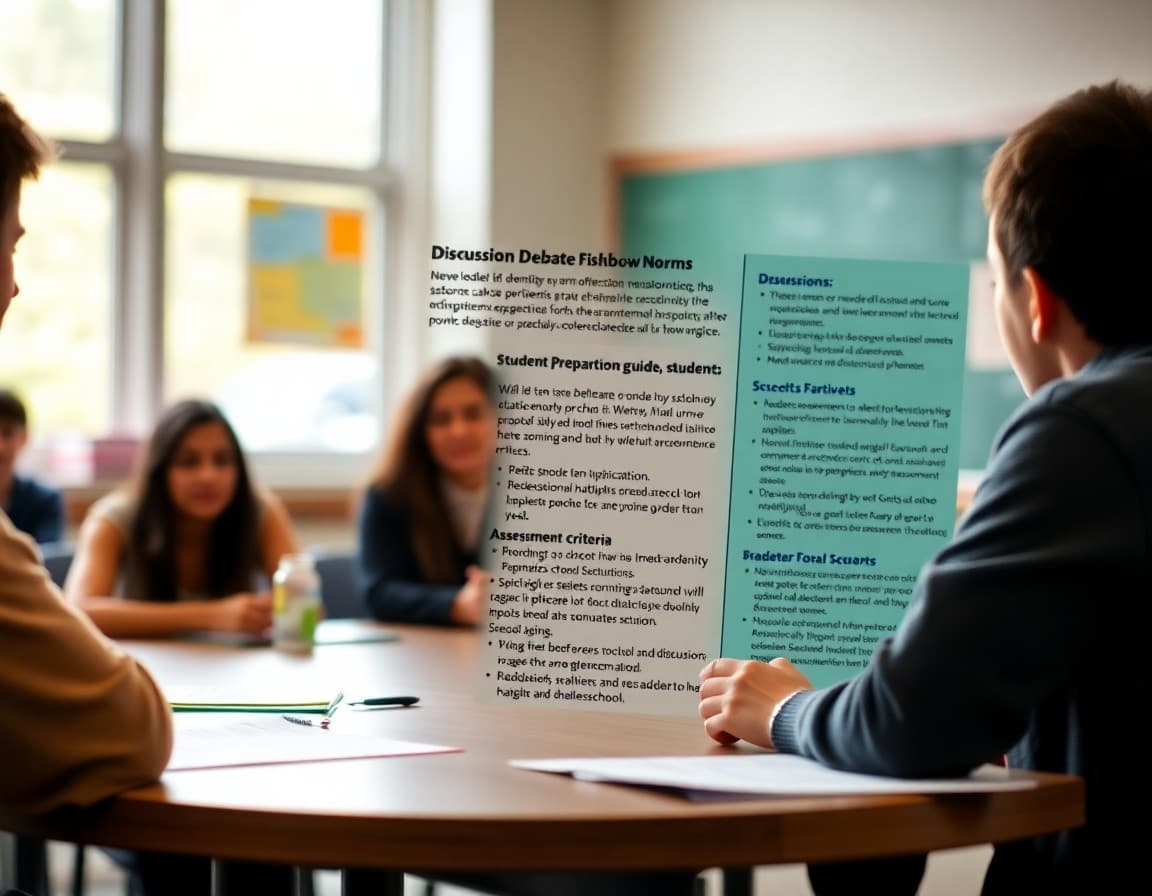
Why This Communication Matters
Debate fishbowl is a high-engagement activity that parents often hear about secondhand from their student. A newsletter that explains what the activity involves, why it matters academically, and how families can support their student's preparation gives the work the context it deserves.
What to Cover in Your Newsletter
Cover the current phase of the activity, what students need to prepare or produce, how the work is assessed, and what resources are available. Specific information about expectations removes the ambiguity that leads to under-prepared students.
Skills and Outcomes Students Develop
Participation in debate fishbowl develops argumentation, critical analysis, collaboration under pressure, and the ability to engage thoughtfully with complex ideas and opposing viewpoints. These skills transfer to college seminars, professional meetings, and civic life.
How Families Can Support at Home
Parents can support their student by asking them to explain what they are preparing, practicing arguments or positions out loud over dinner, and treating the activity as seriously as any graded assignment. Students who discuss their work at home arrive better prepared.
Community and Recognition Opportunities
Many debate fishbowl activities connect to school-wide recognition, competitions, or public presentations. A newsletter that communicates these opportunities gives students who are genuinely invested additional motivation and gives families a chance to attend or support.
Assessment and What Success Looks Like
Assessment for debate fishbowl typically evaluates contribution quality, evidence use, and intellectual engagement rather than simply correctness. A newsletter that explains this assessment approach helps families encourage the kind of deep preparation that produces meaningful work.
Building a Consistent Communication Habit
A launch newsletter before the activity begins and a brief follow-up afterward is sufficient communication for most debate fishbowl activities. Build a template and use a sending tool that keeps the habit alive through the busiest parts of the school year.
Get one newsletter idea every week.
Free. For teachers. No spam.
Frequently asked questions
What is a fishbowl discussion and how does it work?
A fishbowl discussion places a small group of students in the center of the room to discuss a text or issue while the surrounding class observes. Observers take notes and may rotate into the discussion group. The format develops active listening, evidence-based argumentation, and the ability to respond to others' ideas rather than simply presenting prepared points. It is distinct from debate in that the goal is collaborative exploration rather than winning.
How can parents prepare students for fishbowl discussions?
Parents can help students prepare by asking them to articulate three specific claims they want to make in the discussion, identify one piece of evidence for each claim, anticipate what opposing views they might encounter, and practice responding to a counterargument out loud. Students who have talked through their ideas before class contribute more effectively than those who wait to form their thoughts on the spot.
What is the difference between debate and fishbowl discussion in high school?
Debate assigns students to argue a specific position, often one they may not personally hold, against an opposing side with structured speaking time. Fishbowl discussion asks students to explore a question collaboratively, building on each other's ideas and revising their thinking through conversation. Both develop academic argumentation skills, but through different intellectual processes.
How are fishbowl discussions assessed in high school?
Fishbowl discussions are typically assessed on the quality of contributions: whether students cite specific evidence, respond directly to what others have said, advance the discussion rather than repeating previous points, and demonstrate understanding of the text or issue. A rubric that values quality over quantity is standard. A newsletter explaining this assessment approach reduces student anxiety about speaking frequency.
What tool helps high school teachers send newsletters about debate fishbowl?
Daystage is built for school communication. High school teachers use it to create formatted newsletters, manage parent and student email lists, and send updates about debate fishbowl in minutes without extra design tools.

Adi Ackerman
Author
Adi Ackerman is a former classroom teacher and curriculum writer with 8 years in K-8 schools. She writes about school communication, parent engagement, and what actually works in real classrooms.
More for High School
Ready to send your first newsletter?
3 newsletters free. No credit card. First one ready in under 5 minutes.
Get started free