

Teacher Newsletter for AP Language Units: What Families Need to Understand
What AP Language Is Actually Teaching
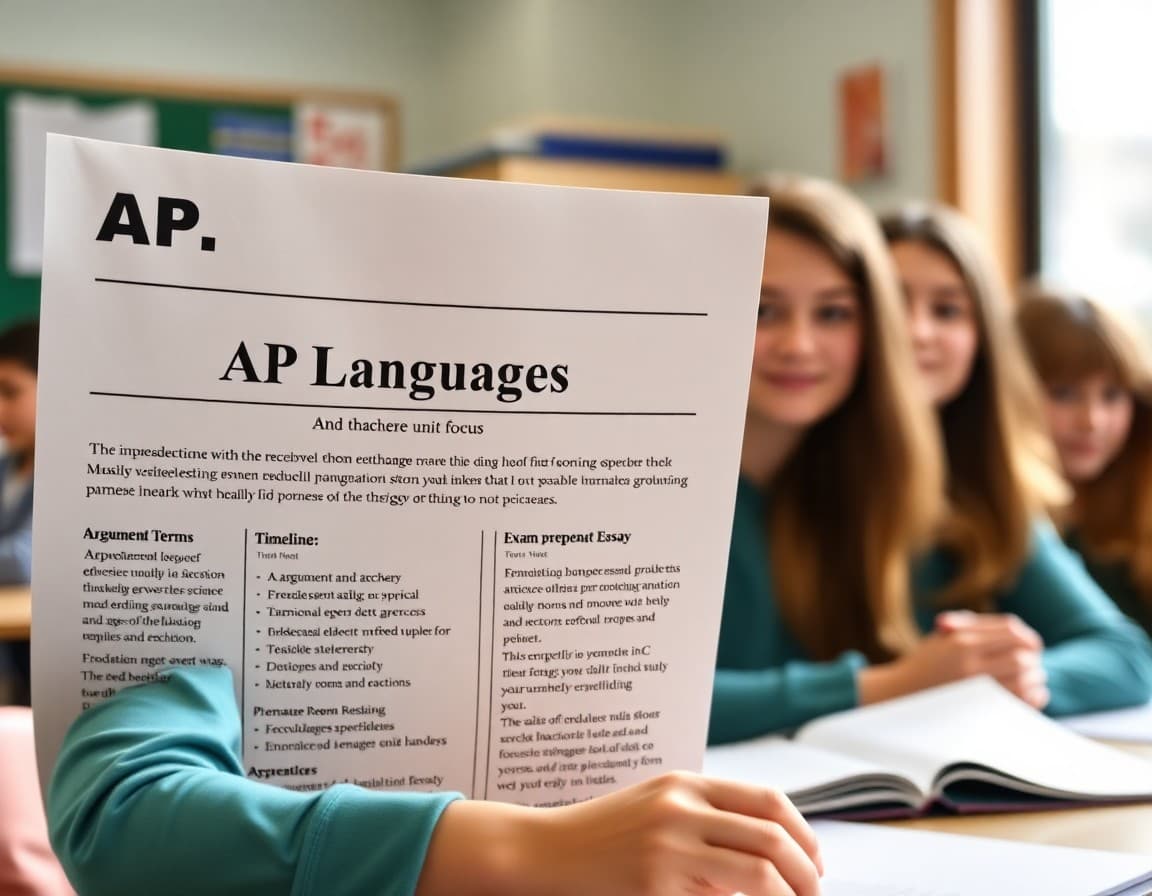
AP English Language and Composition is a writing and rhetoric course built around nonfiction. Students read speeches, essays, journalism, political documents, and scientific writing, analyzing how each text constructs an argument, manipulates evidence, and manages tone for a specific audience. At the same time, they practice building those same skills in their own writing. A newsletter that explains this clearly helps families see AP Language as a communication course, not a harder version of grammar class.
Rhetorical Analysis: The Core Skill
The central skill in AP Language is rhetorical analysis: reading a text and identifying how the writer uses logos (logical evidence and reasoning), ethos (credibility and authority), and pathos (emotional appeal) to achieve a purpose with a specific audience. Students practice this analysis in discussion, in short writes, and in formal essays. Your newsletter should define these terms plainly so families can follow their student's discussion of assigned texts.
The Synthesis Essay and Source Evaluation
The synthesis free response question is distinctive to AP Language. Students receive six to seven short sources on a single topic and must build an argument that uses at least three of them as evidence. This requires skills that go beyond summarizing sources: students must evaluate credibility, identify perspective, and use sources in service of their own argument rather than letting sources drive the essay. Let families know when the synthesis unit is active so they can encourage their student to practice with past prompts.
Argument Writing Across the Course
The argument free response question asks students to develop and defend a position using their own knowledge and reasoning without provided sources. This is the most transferable skill in the course. Students who can build a structured argument on demand in forty minutes are well-prepared for college writing across disciplines. Your unit newsletter should explain what a well-constructed argument looks like at the AP standard.
Nonfiction Reading Volume and Pace
AP Language students read a significant volume of nonfiction, often several pieces per week at varying difficulty levels. Unlike literary reading, nonfiction reading for AP Language requires students to ask rhetorical questions while they read: who is the audience, what is the purpose, which strategies are being used. A newsletter that explains this reading posture helps families understand why AP reading cannot simply be scanned.
Connecting Units to the May Exam
Each unit in AP Language builds a specific skill that maps directly to the free response section. Sending a newsletter at the start of each unit that names the exam connection helps families understand the progression and prevents the spring pressure spike when students realize how much the exam demands.
Keeping Families Informed With Daystage
AP Language teachers who send consistent unit newsletters through Daystage find that parents arrive at conferences with better questions and fewer concerns. Regular communication turns a demanding course into a transparent one, which benefits students, families, and the teacher alike.
Get one newsletter idea every week.
Free. For teachers. No spam.
Frequently asked questions
What is the difference between AP Literature and AP Language?
AP Language focuses on nonfiction texts and the art of argumentation and rhetoric. Students analyze how writers persuade, inform, and argue, and they practice building their own arguments in multiple modes. AP Literature focuses on literary fiction and poetry with a primary emphasis on close reading and interpretive analysis. Many schools offer both, and some students take one or both over the course of their high school years.
What are the three AP Language free response question types?
AP Language includes three free response questions: a synthesis essay (students read multiple sources and build an argument using evidence from at least three), a rhetorical analysis essay (students analyze how a writer uses rhetorical strategies to achieve a purpose), and an argument essay (students develop and defend a position on a provided prompt using their own reasoning and evidence).
What should an AP Language unit newsletter explain to families?
Each unit newsletter should explain the rhetorical concept or writing skill in focus, what texts students are working with, how the unit connects to the three free response question types, and what the major assignment or assessment involves. Families who understand the skill arc of AP Language can support practice at home and understand grading standards.
How can families help AP Language students practice argument skills?
Discussing current events, debating the merits of decisions, or asking students to explain and defend a position on a topic they care about all practice the same thinking AP Language requires. The goal is not winning the argument but building a claim and supporting it with reasoning and evidence. A student who can do that in conversation can do it on an essay.
What tool helps AP teachers send newsletters efficiently?
Daystage is built for school communication. AP Language teachers use it to send formatted unit newsletters with rhetorical terms, assignment details, and exam timelines directly to parent email lists.

Adi Ackerman
Author
Adi Ackerman is a former classroom teacher and curriculum writer with 8 years in K-8 schools. She writes about school communication, parent engagement, and what actually works in real classrooms.
More for High School
Ready to send your first newsletter?
3 newsletters free. No credit card. First one ready in under 5 minutes.
Get started free