
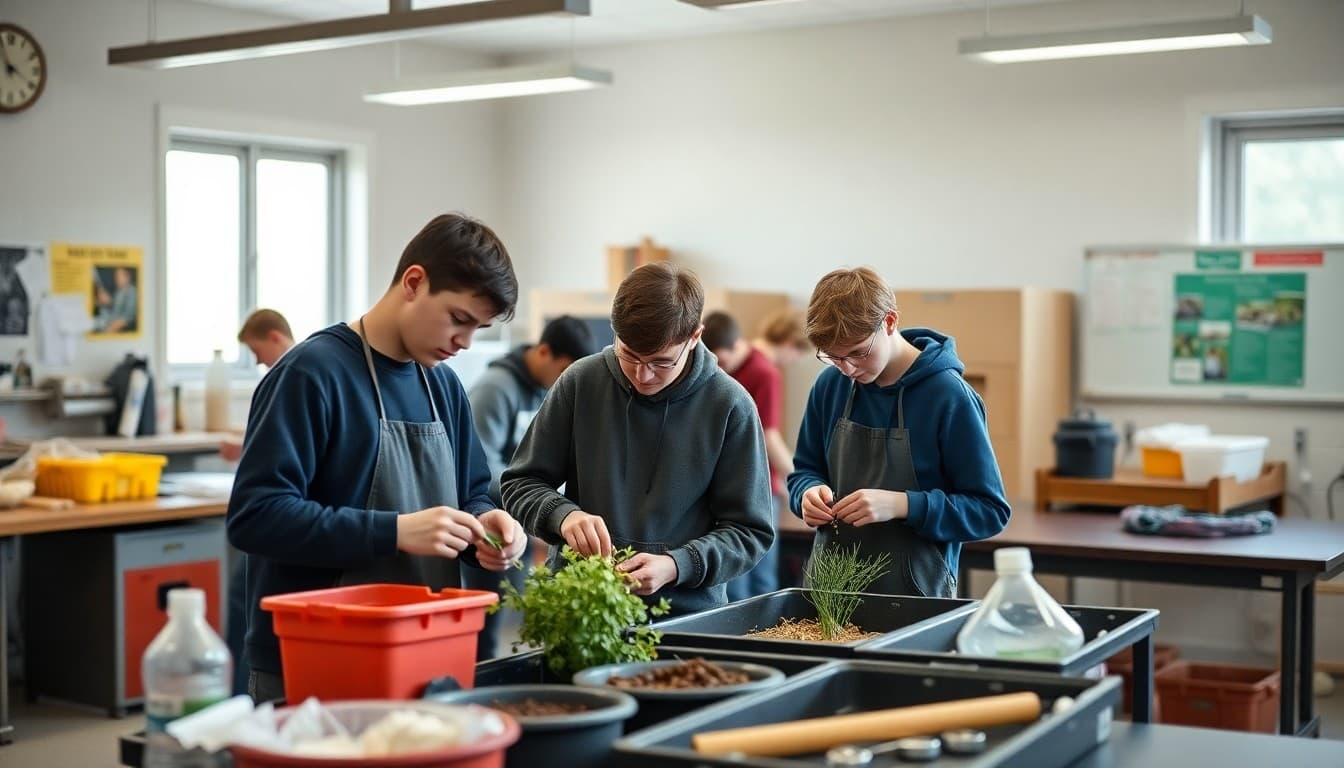
Teacher Newsletter for Agriculture Class: What High School Families Need to Know

Why This Communication Matters
Hands-on career and technical education courses like agriculture class deliver real-world skills that traditional academic courses do not. A newsletter that communicates the academic rigor, career relevance, and safety culture of your program helps families see agriculture class as a serious pathway, not just an elective.
What to Cover in Your Newsletter
Cover current projects and what students are learning to do, safety protocols that govern the lab environment, any upcoming certification exams or industry skill assessments, and how the skills students are developing translate to employment and post-secondary options.
Skills and Outcomes Students Develop
Agriculture Class develops technical skill, professional safety habits, problem-solving in physical systems, and the discipline required to complete hands-on projects correctly the first time. Students who graduate with demonstrable technical competency and a certification have an immediate advantage in the job market over peers without practical skills.
How Families Can Support at Home
Parents can support students in agriculture class by asking them to explain or demonstrate what they are learning to do, treating the technical skills they are developing with the same seriousness as academic subjects, and encouraging them to pursue available certification exams.
Community and Recognition Opportunities
Many agriculture class programs participate in regional competitions, industry showcases, and CTE student organization events where students can display their skills and earn recognition. A newsletter that communicates these opportunities motivates students and invites families to attend and celebrate.
Assessment and What Success Looks Like
Assessment in agriculture class typically combines project completion, safety compliance, technical skill demonstration, and written or verbal knowledge checks. A newsletter that explains this multi-dimensional assessment helps families understand why the course demands consistent effort and attention throughout the semester.
Building a Consistent Communication Habit
CTE teachers who communicate consistently with families build the support that keeps students enrolled and engaged in career pathways. A brief newsletter each month covering current projects, upcoming events, and certification milestones is enough to keep families informed and invested.
Get one newsletter idea every week.
Free. For teachers. No spam.
Frequently asked questions
What should a agriculture class teacher newsletter include?
A agriculture class teacher newsletter should cover current projects and their real-world applications, safety requirements and any safety incident policies, agricultural science, FFA activities, food systems career pathway, and how the skills students are developing connect to employment and post-secondary opportunities in the field.
What career pathways does high school agriculture class prepare students for?
High school agriculture class prepares students for entry-level positions in agriculture, apprenticeship programs, community college technical programs, and industry certification exams that have direct value in the job market. Students who complete agriculture class with a portfolio of project work have demonstrable skills that employers recognize.
What safety information should a agriculture class newsletter communicate?
Safety is a genuine priority in hands-on technical courses. Your newsletter should explain what safety equipment students use and must wear, how safety incidents are handled, what students are never permitted to do without supervision, and how the physical environment is designed to minimize risk. Families who understand the safety culture of your program feel more confident about their student's participation.
What industry certifications are available through high school agriculture class?
Many agriculture class programs connect to industry certification pathways that have real market value. Communicate what certifications your program prepares students for, what the exam process involves, what preparation students need, and what passing the certification means for their employment options after high school. This is often the most compelling outcome families can see.
What tool helps high school teachers send newsletters about agriculture class?
Daystage is built for school communication. High school teachers use it to create formatted newsletters, manage parent and student email lists, and send updates about agriculture class in minutes without extra design tools.

Adi Ackerman
Author
Adi Ackerman is a former classroom teacher and curriculum writer with 8 years in K-8 schools. She writes about school communication, parent engagement, and what actually works in real classrooms.
More for High School
Ready to send your first newsletter?
3 newsletters free. No credit card. First one ready in under 5 minutes.
Get started free