
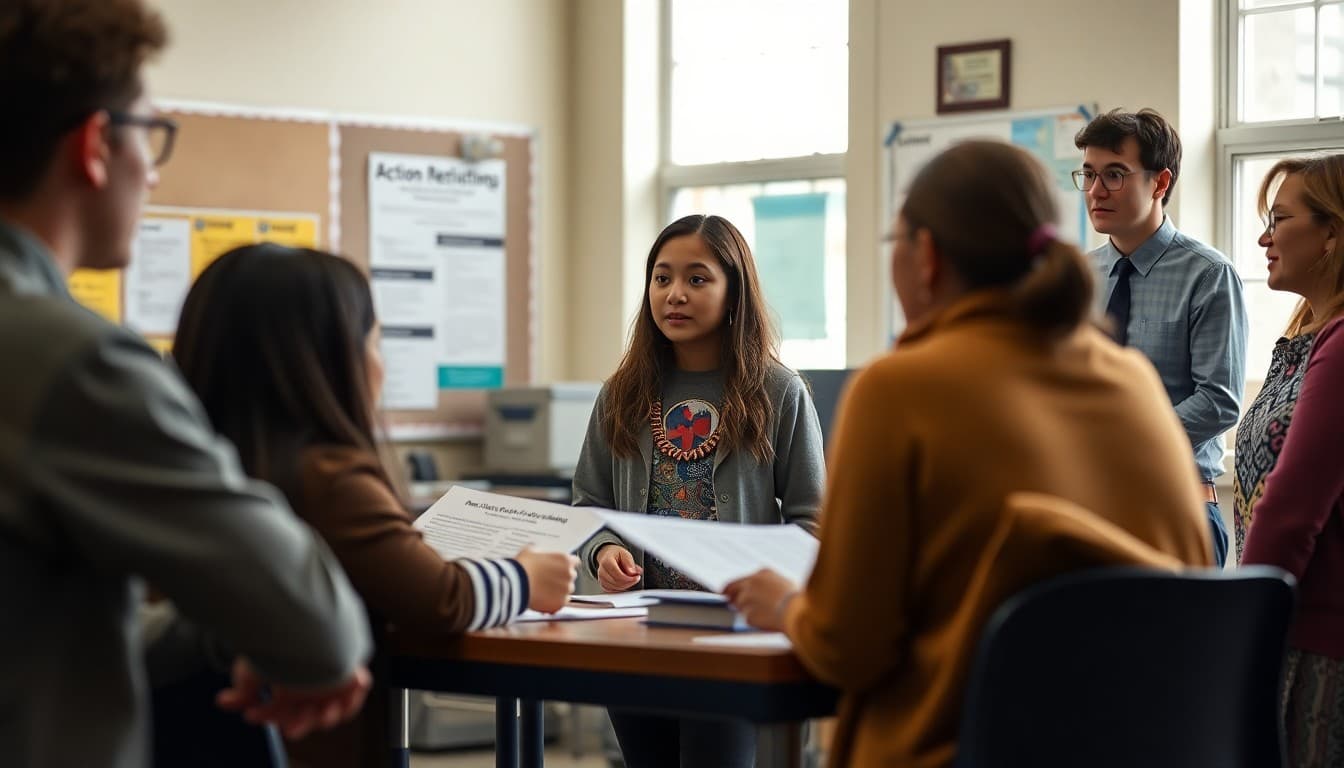
Teacher Newsletter for Action Research Projects in High School
Why This Communication Matters
Action research is a high-engagement activity that parents often hear about secondhand from their student. A newsletter that explains what the activity involves, why it matters academically, and how families can support their student's preparation gives the work the context it deserves.
What to Cover in Your Newsletter
Cover the current phase of the activity, what students need to prepare or produce, how the work is assessed, and what resources are available. Specific information about expectations removes the ambiguity that leads to under-prepared students.
Skills and Outcomes Students Develop
Participation in action research develops argumentation, critical analysis, collaboration under pressure, and the ability to engage thoughtfully with complex ideas and opposing viewpoints. These skills transfer to college seminars, professional meetings, and civic life.
How Families Can Support at Home
Parents can support their student by asking them to explain what they are preparing, practicing arguments or positions out loud over dinner, and treating the activity as seriously as any graded assignment. Students who discuss their work at home arrive better prepared.
Community and Recognition Opportunities
Many action research activities connect to school-wide recognition, competitions, or public presentations. A newsletter that communicates these opportunities gives students who are genuinely invested additional motivation and gives families a chance to attend or support.
Assessment and What Success Looks Like
Assessment for action research typically evaluates contribution quality, evidence use, and intellectual engagement rather than simply correctness. A newsletter that explains this assessment approach helps families encourage the kind of deep preparation that produces meaningful work.
Building a Consistent Communication Habit
A launch newsletter before the activity begins and a brief follow-up afterward is sufficient communication for most action research activities. Build a template and use a sending tool that keeps the habit alive through the busiest parts of the school year.
Get one newsletter idea every week.
Free. For teachers. No spam.
Frequently asked questions
What is action research in high school?
Action research is a project-based learning model where students identify a real problem in their school or community, research existing evidence about the problem, design and implement an intervention or solution, collect data about its impact, and present findings to a real audience. It develops research skills, project management, community engagement, and the experience of producing work that matters beyond the classroom.
What should an action research newsletter cover?
An action research newsletter should explain the project topic and community problem being addressed, the research and intervention phases students are working through, community partner involvement, the final presentation or publication format, and what families can do to support the research process.
How does action research connect students to their community?
Action research connects students to real community stakeholders: local organizations, school staff, community members, or policy contexts that the research addresses. Students who complete action research projects learn to navigate institutional environments, communicate with non-academic audiences, and take their work seriously because real people are part of the process.
What skills does action research develop in high school students?
Action research develops research design, data collection and analysis, community communication, project management across a long timeline, presentation to public or professional audiences, and the judgment required to act responsibly in a real-world context. These skills are among the most directly applicable to college and professional environments.
What tool helps high school teachers send newsletters about action research?
Daystage is built for school communication. High school teachers use it to create formatted newsletters, manage parent and student email lists, and send updates about action research in minutes without extra design tools.

Adi Ackerman
Author
Adi Ackerman is a former classroom teacher and curriculum writer with 8 years in K-8 schools. She writes about school communication, parent engagement, and what actually works in real classrooms.
More for High School
Ready to send your first newsletter?
3 newsletters free. No credit card. First one ready in under 5 minutes.
Get started free