
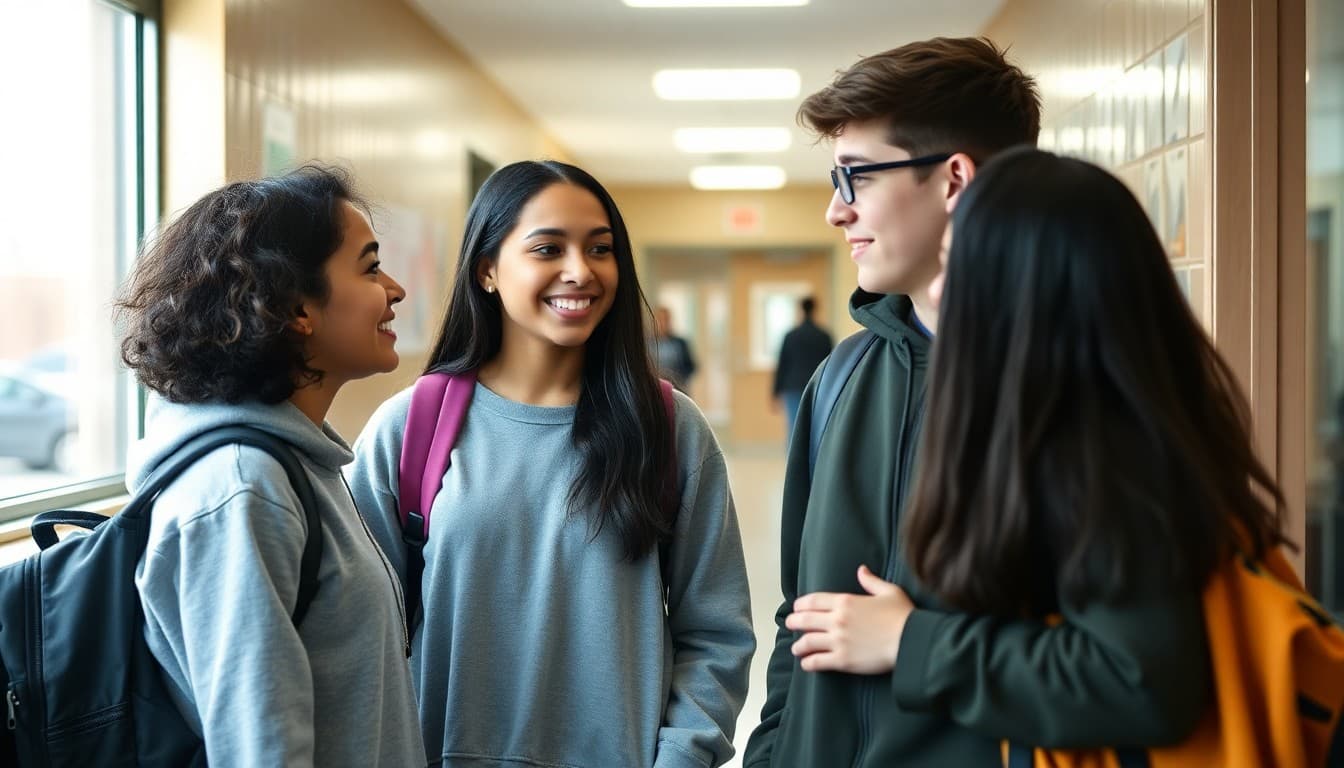
9th Grade Social Skills Newsletter: Relationship Building at School
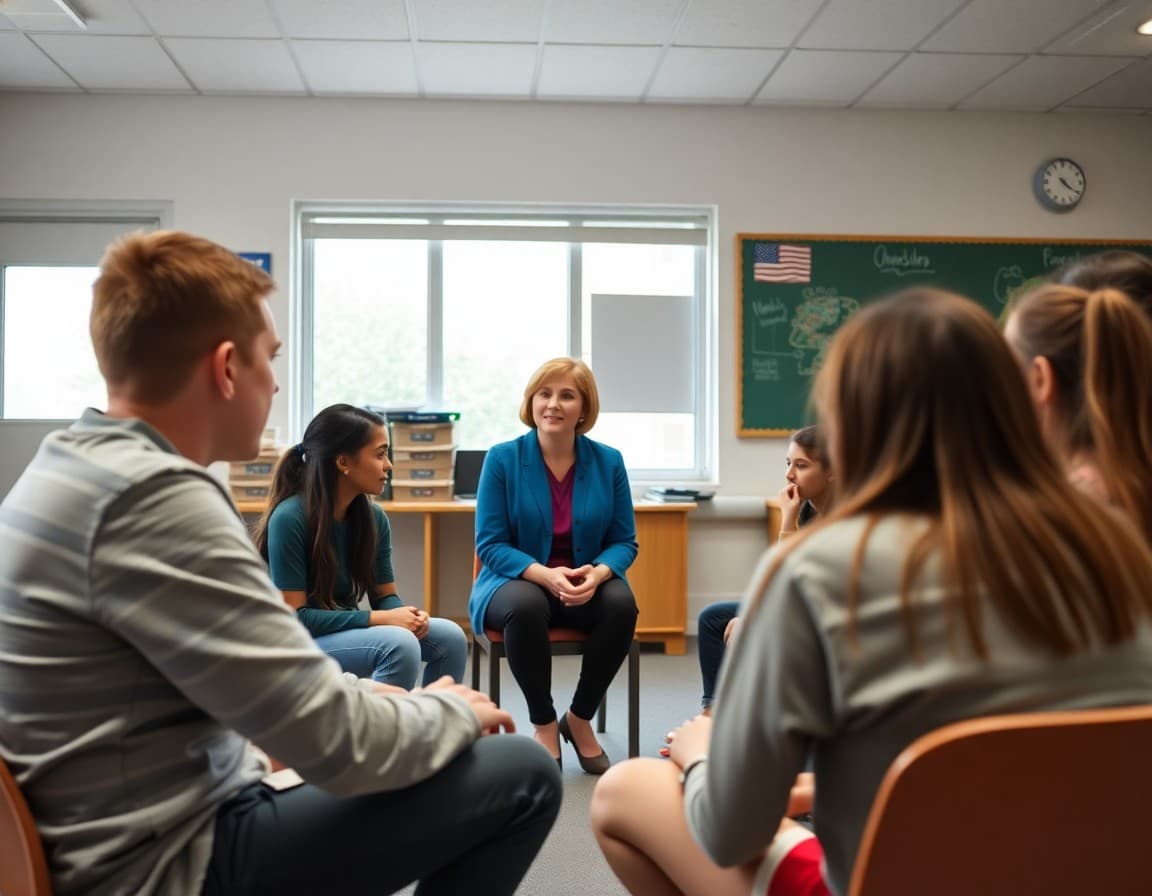
The jump from 8th to 9th grade is one of the most socially demanding transitions students experience. New school, new peers, old friendships tested by different schedules, and a social environment that is suddenly larger and more anonymous. A newsletter that helps families understand what you are doing to support social development, and gives them practical ways to help at home, is one of the most valuable things you can send in 9th grade.
Acknowledge That 9th Grade Is Socially Hard
Your newsletter should name the transition directly. Many families are watching their student struggle socially and assume it means something is wrong. Normalizing the difficulty without dismissing it is your first job. Research on adolescent transitions consistently shows that the first year of high school is the most socially volatile of the four. Students who know adults understand that struggle are more likely to seek help.
Describe the Social Skills You Are Building in Class
If you teach active listening, conflict resolution, or collaborative work in your classroom, say so. Families who understand that your class intentionally builds these skills see the academic work differently. A group project is not just about the grade; it is also about learning to work with someone who thinks differently. A Socratic seminar is not just discussion practice; it is assertive communication training.
Explain the Role of Group Work
Many 9th grade students and families dislike group work because it feels unfair when one student carries the load. Your newsletter can address this directly. Explain how you assign groups, how contributions are assessed, and what students should do if a group dynamic is not working. Families who understand your approach to group work are better positioned to coach their student through it rather than just advocating to have them moved.
Share Specific Language Families Can Use
Give parents actual phrases to use at home. When their student says 'nobody likes me at this school,' the response 'that sounds really hard, tell me more about that' is more useful than 'I am sure you have friends.' When their student says 'my group partner never does anything,' the response 'what did you say to them about it?' is more useful than 'I will email the teacher.' Specific language is actionable in a way that general advice is not.
Address Phone and Social Media's Role in Social Dynamics
You cannot talk about 9th grade social skills without addressing phones. Group chats, social media comments, and public posts create social dynamics that extend from class to home and back again. Your newsletter does not need to be a phone-use lecture, but it should acknowledge that the social environment of your class does not end when the bell rings, and that conflicts that start in a group chat can affect your classroom.
Sample Newsletter Section on Social Skills
Here is copy you can adapt:
"This month in class we have been working on collaborative discussion skills: how to disagree respectfully, how to build on someone else's idea, and how to ask for clarification without dismissing what was just said. These are skills that matter in every class, in college, and in any workplace. At home, a useful exercise: next time your student disagrees with you about something, ask them to tell you what your position is before they argue against it. That's active listening in practice."
Name the Adults Students Can Go to for Help
Ninth graders need to know who the trusted adults are in their school. In your newsletter, name the school counselor, any designated mentors or advisors, and your own availability. Students who can see themselves walking into a specific office and talking to a specific person are more likely to seek help when they need it than students who have been told help is available somewhere in the building.
Follow Up Mid-Year with a Social Climate Check-In
A brief mid-year newsletter noting how the social climate in your class has shifted, any community-building activities you have done, and any themes you are seeing is worth the 20 minutes it takes to write. Families who receive consistent communication about the social dimension of school feel more informed and more like partners in their student's experience.
Get one newsletter idea every week.
Free. For teachers. No spam.
Frequently asked questions
Why do 9th graders need explicit social skills instruction?
The transition to high school disrupts existing friend groups and forces students to build new relationships in a more complex social environment. Ninth graders face challenges their middle school social toolkit was not built for: navigating larger peer groups, balancing academic pressure with social life, and developing the self-regulation to handle conflict without a teacher always stepping in.
What social skills are most important to develop in 9th grade?
Active listening, assertive communication without aggression, conflict resolution without escalation, recognizing when to ask for help, and the ability to work productively with people they do not choose as friends. These skills directly affect academic performance, not just social life, since most 9th grade work involves group projects and class discussion.
How can families support social skill development at home?
Ask specific questions about social situations rather than general ones. 'How did you handle that disagreement with your lab partner?' is more useful than 'how was school?' Practice conversation scenarios at home, acknowledge your own conflict resolution choices out loud, and model repair after family disagreements. Ninth graders learn social skills from watching adults more than they admit.
How do I address social struggles in a newsletter without identifying specific students?
Write about patterns rather than individuals. 'Some students are navigating friend group changes this semester' or 'many 9th graders find the step up in social complexity challenging' normalizes the struggle without spotlighting anyone. Families whose student is struggling will recognize it; others will file it away as context.
What platform makes it easy to send a regular social-emotional newsletter to 9th grade families?
Daystage is a good fit because it supports text-based newsletters with embedded links to resources, and you can set a recurring monthly send schedule so the newsletter goes out without you rebuilding it each time.

Adi Ackerman
Author
Adi Ackerman is a former classroom teacher and curriculum writer with 8 years in K-8 schools. She writes about school communication, parent engagement, and what actually works in real classrooms.
More for High School
9th Grade Classroom Community Newsletter: Building Belonging Together
High School · 6 min read
9th Grade Behavior Newsletter to Parents: How to Communicate Clearly and Constructively
High School · 8 min read
Ninth Grade Back to School Newsletter: Welcoming Freshmen and Their Families
High School · 7 min read
Ready to send your first newsletter?
3 newsletters free. No credit card. First one ready in under 5 minutes.
Get started free