

9th Grade Classroom Community Newsletter: Building Belonging Together
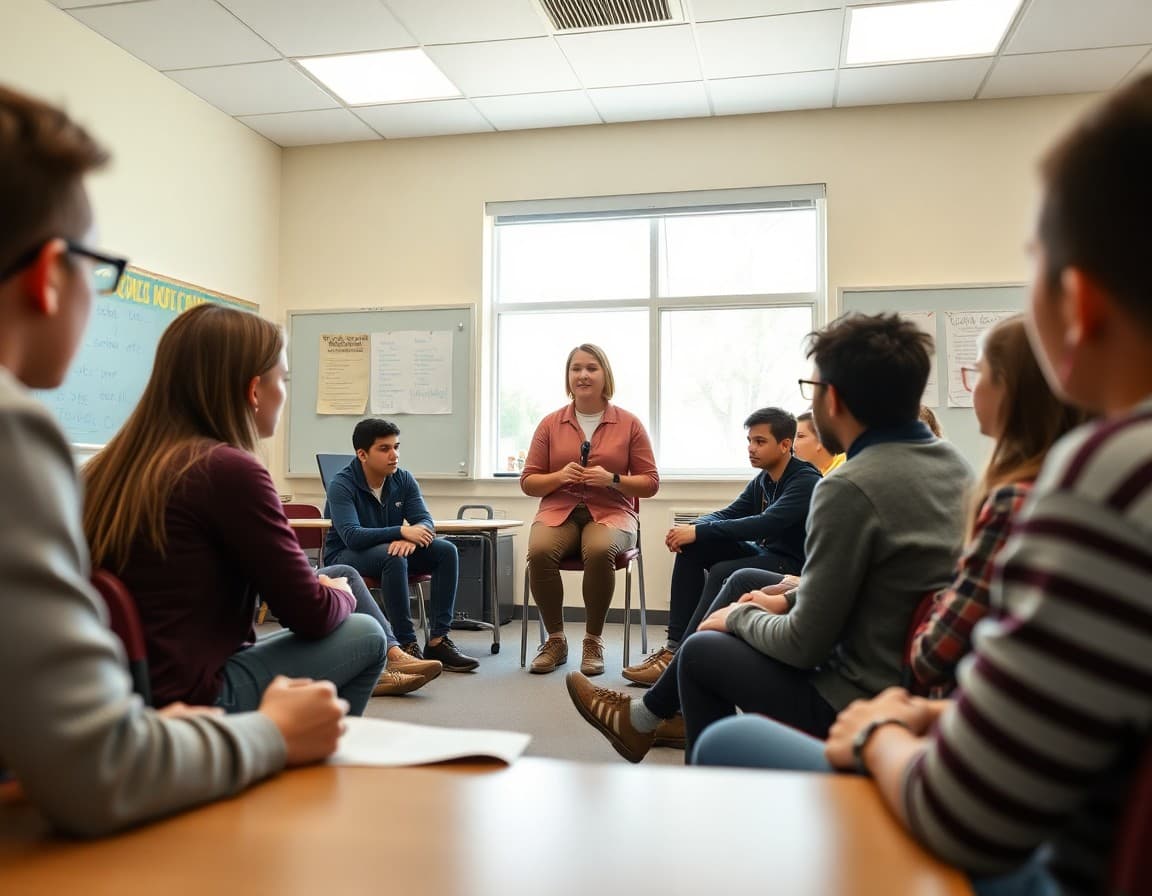
Ninth grade is the year students form their first real identity as high schoolers. The classroom culture a teacher builds in the first months shapes how students treat each other, ask for help, and handle failure for the rest of the year. A classroom community newsletter brings families into that culture and gives them the language to reinforce it at home.
Start with Your Classroom Norms
Tell families what your class values and how those values show up in daily practice. If your students co-created class norms at the start of the year, share them. Something like: 'Our three norms are speak up, listen to understand, and take up space.' Families who know the norms can reference them at home when their student mentions something that happened in class.
Describe Your Team-Building Activities
What have you done in the first weeks to help students get to know each other? Community circles, partner interviews, group challenges, Socratic seminars? In your newsletter, briefly describe two or three activities and what they were designed to build. Families who understand that 'they played a game' was actually a structured trust-building exercise have a different frame for their student's experience.
Share How Students Are Recognized
Recognition systems build culture faster than any rule. Does your class do weekly shout-outs? A Thinking Hard wall? A class achievement tracker? A community helper role that rotates? Name your recognition approach in the newsletter so families understand what their student might come home talking about. Students who know that positive contributions are noticed and named make more of them.
Highlight a Recent Class Achievement
A short paragraph on something the class did well this month keeps the newsletter grounded. Not every update needs to be about a problem. 'Last week, the class spent 45 minutes in a structured debate about [topic] and managed three full disagreements without anyone talking over each other. That takes real practice.' Specific examples like this tell families more about the culture than any general description.
Explain How Conflict Is Handled
Ninth graders have social lives, and social lives produce conflict. Your newsletter should explain your approach: class norms, peer mediation, restorative conversations, or teacher facilitation. Families who know what happens when their student is involved in a conflict are less likely to call in demanding punishment before they know the full story. They are also more likely to encourage their student to work through the process.
Sample Newsletter Section on Classroom Community
Here is copy you can adapt:
"Our class has been working on our community this month. Students co-created three norms in September: listen to understand, take up space, and repair when needed. Last week we completed our first community circle, where every student shared one thing they are working on academically and one thing that is going well. This practice builds the kind of trust that makes it possible to take intellectual risks. If your student comes home talking about this, ask them what they shared."
Invite Families to Reinforce at Home
Give families one or two specific things to do. Ask their student about one meaningful conversation they had at school this week. Use the same norms language the class uses. Check in about who their student feels comfortable asking for help. These small habits connect home to classroom in a way that benefits students without requiring parents to become teaching assistants.
Address Belonging for Students Who Are Struggling Socially
Not every 9th grader finds community quickly. Your newsletter can acknowledge this without singling anyone out: 'If your student seems to be struggling socially or mentions feeling left out, please reach out. Ninth grade is a transition year and feeling disconnected early is common and addressable.' Families who hear this feel less alone and are more likely to contact you before a small problem becomes a big one.
Get one newsletter idea every week.
Free. For teachers. No spam.
Frequently asked questions
Why does a 9th grade classroom community newsletter matter?
Ninth grade is a critical transition year. Students who feel like they belong in their school are more likely to stay engaged, seek help when they struggle, and show up consistently. A classroom community newsletter tells families what you are doing to build that culture and gives them language to reinforce it at home.
What should a classroom community newsletter for 9th grade include?
Include a description of your community norms, any team-building activities you have done, how students are recognized for positive contributions, and what families can do to reinforce the same values at home. A short student spotlight or class achievement adds warmth and shows families what the culture looks like in practice.
How do I address conflict or social dynamics in a community newsletter without making it negative?
Focus on systems rather than incidents. Explain how your class handles disagreements (class norms, restorative conversations), what students are expected to do when conflict arises, and who students can talk to if they feel excluded or unsafe. Frame it as preparation and prevention rather than response.
How often should I send a classroom community newsletter?
Once per month is enough for community-focused updates. You can layer community notes into your regular weekly newsletter rather than sending a separate one. The key is consistency: families who hear about your classroom culture regularly start to see it as a real shared thing, not just a first-week orientation promise.
What newsletter platform works well for classroom community updates with photos?
Daystage lets you include student photos, class highlights, and community shout-outs in a newsletter that looks professional and works on every device. Teachers can schedule it to go out on a regular cadence without rebuilding it from scratch each time.

Adi Ackerman
Author
Adi Ackerman is a former classroom teacher and curriculum writer with 8 years in K-8 schools. She writes about school communication, parent engagement, and what actually works in real classrooms.
More for High School
9th Grade Behavior Newsletter to Parents: How to Communicate Clearly and Constructively
High School · 8 min read
Ninth Grade Back to School Newsletter: Welcoming Freshmen and Their Families
High School · 7 min read
9th Grade Classroom Newsletter Ideas: What to Send Freshman Parents All Year
High School · 8 min read
Ready to send your first newsletter?
3 newsletters free. No credit card. First one ready in under 5 minutes.
Get started free